
Exploring Mountain Lake
In 1776, the Spanish arrived in today's San Francisco and camped in my childhood playground.
I wrote a version of the following 25 years ago while at Western Neighborhoods Project. It seems I blinked, and now we are at the 250th anniversary of the arrival of the Spanish.
San Francisco doesn’t seem inclined to take official notice, but I will.
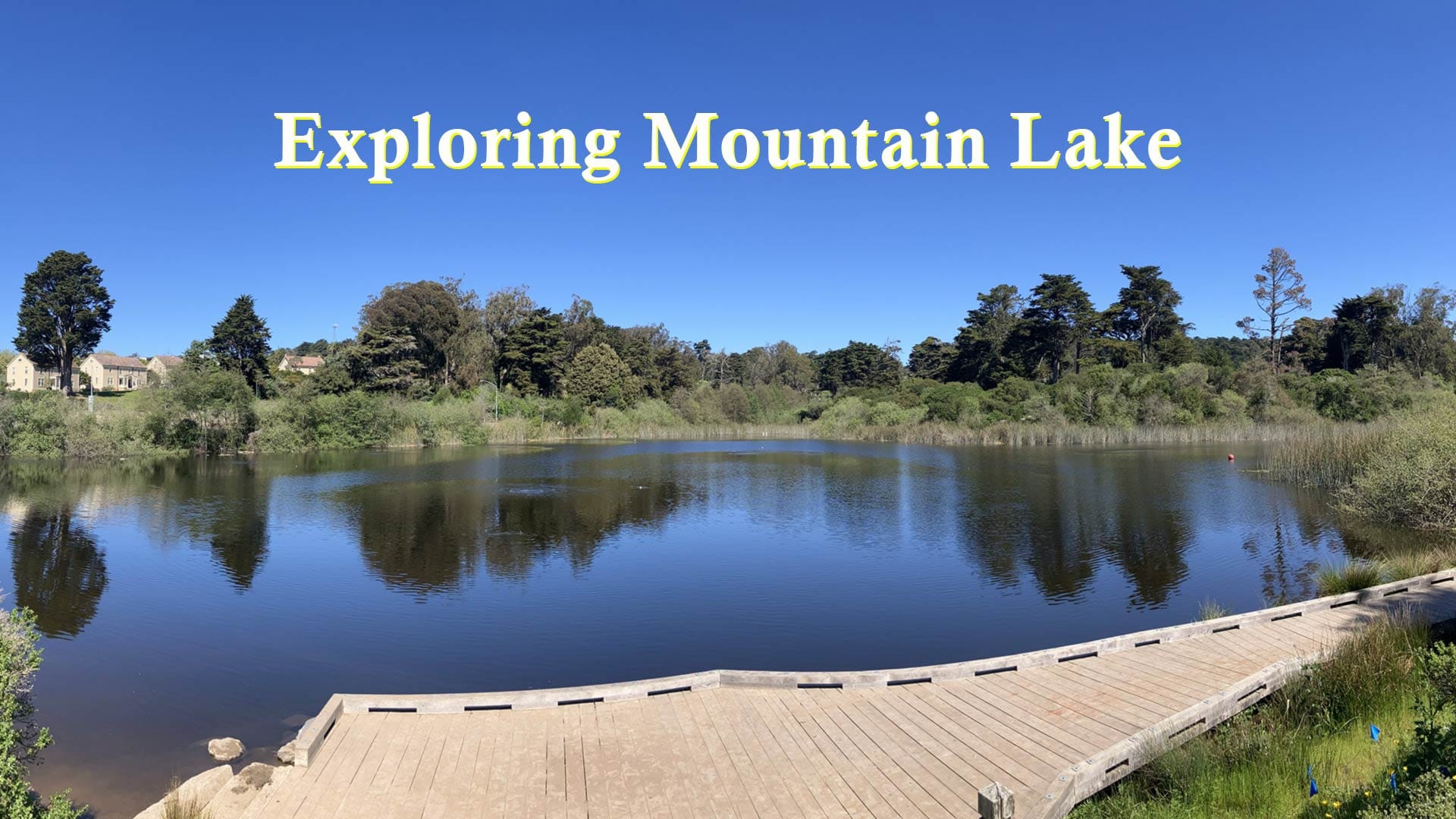
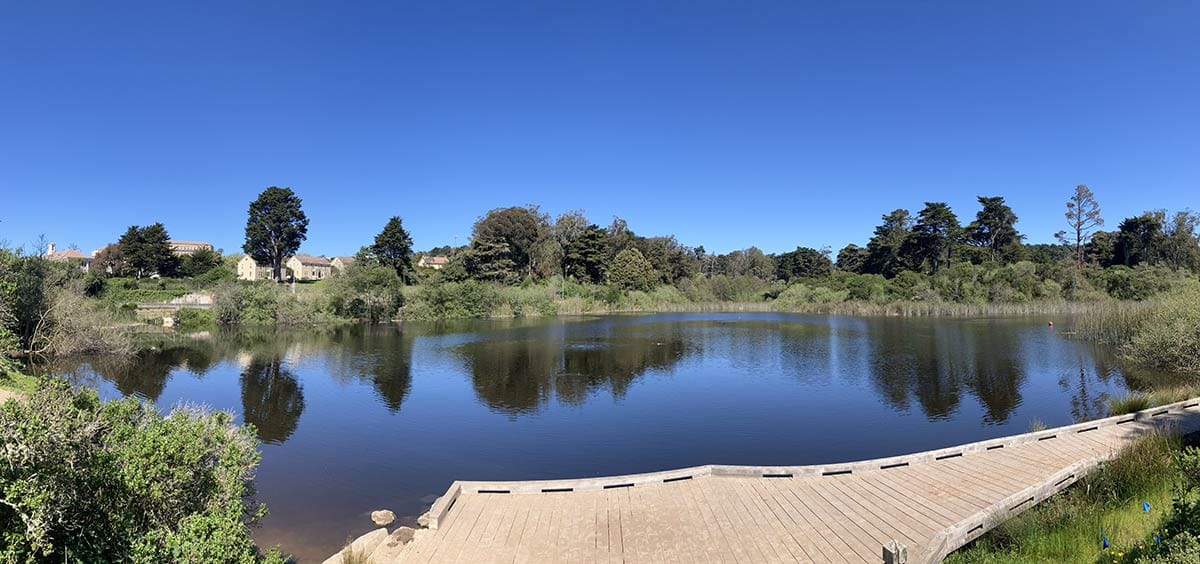
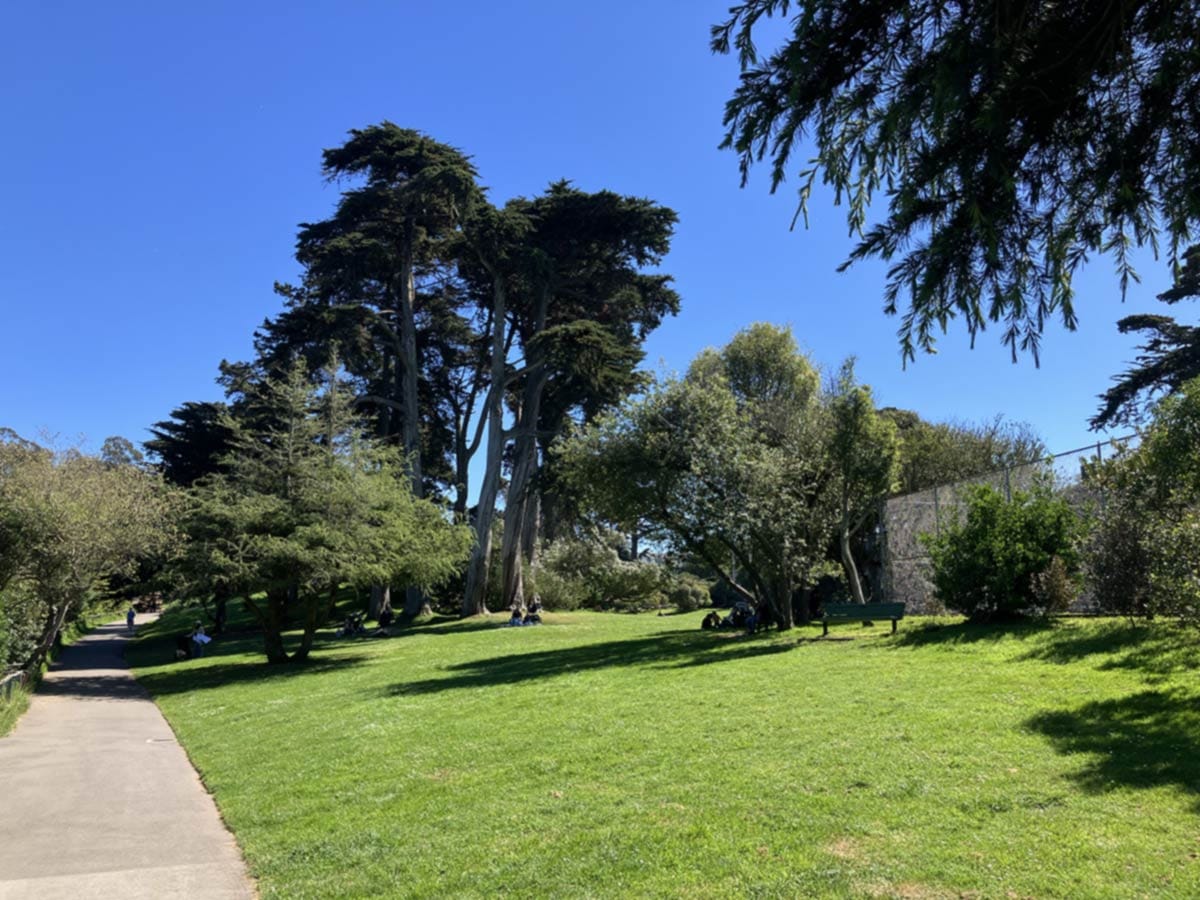
Exactly 250 years ago, Spanish colonizers stood where I stand. Juan Bautista de Anza and his caravan wandered over the ground of future tennis courts, they built campfires where a great playground now teems with children, and gazed at a lake “of very fine water near the mouth of the port of San Francisco.”
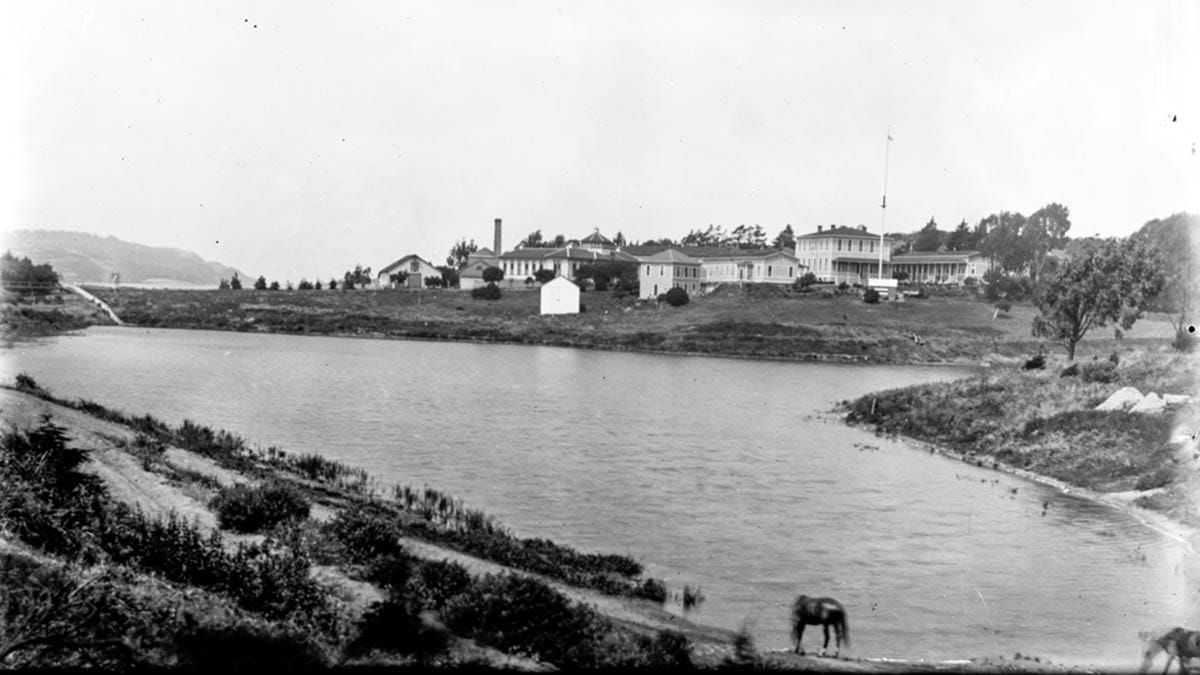
Other explorers had done reconnaissance in the area, but Anza had trudged 1,500 miles from San Miguel de Horcasitas in today’s Mexican state of Sonora to establish a presidio (fort or garrison) and a mission.
He had more than 200 colonists—mostly women and children—who had come with him. (The expedition also started with 695 riding horses and mules, 140 baggage mules, and 355 head of cattle for noshing upon along the way.) After four months of tramping, they were resting in Monterey while Anza and his scouting party poked around the upper peninsula.
Anza noted the advantages of his campsite: running water, firewood, and good pasturage for cattle. “But along with these good qualities one must mention the lack of timber, for in the district examined there is none even for barracks...”
Anza could build his barracks today. Cypress, fir, eucalyptus, and pine now surround the lake, although they’ve been thinned over the past few years. From a monstrous eucalyptus perched on the northeast side of the lake, a rope swing once dangled from a tall eucalyptus.
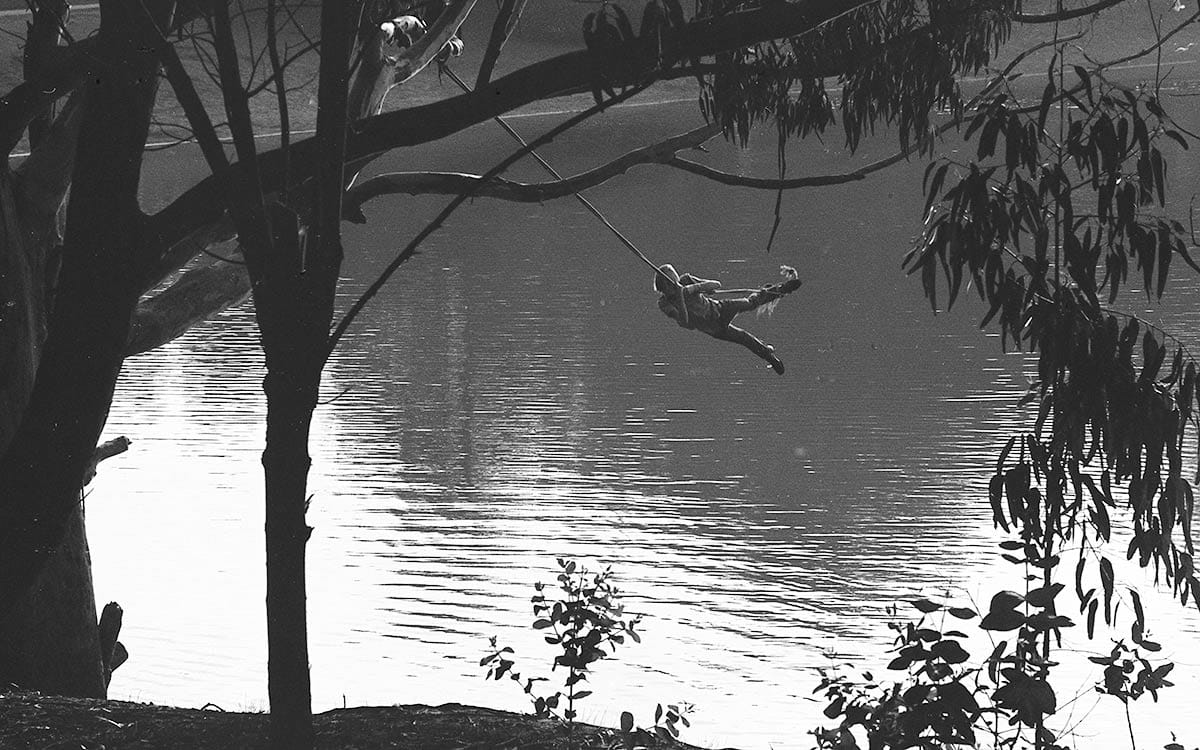
I was a boy here fifty years ago.
Explorers
Mountain Lake Park, running from Park Presidio Boulevard to just past 8th Avenue in the Richmond District, served as our backyard. The kids from 11th Avenue spent half their childhood inside it.
We’d start as toddlers with the swings and slides in the playground on the west side of the park. Then, as we grew older and more independent, we had forts and tunnels inside the tangle of gnarled low trees that lined the “Parcourse” exercise paths.
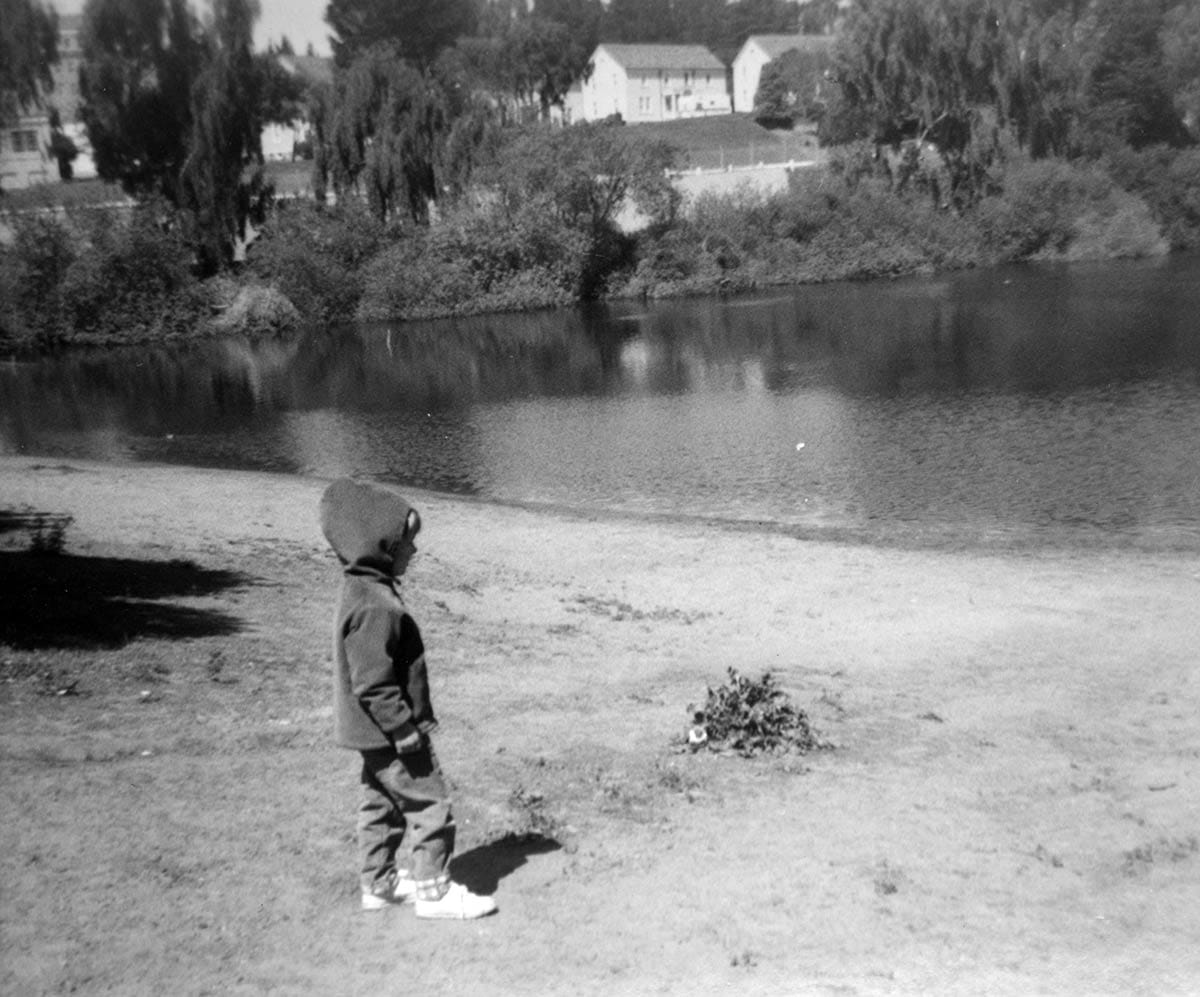
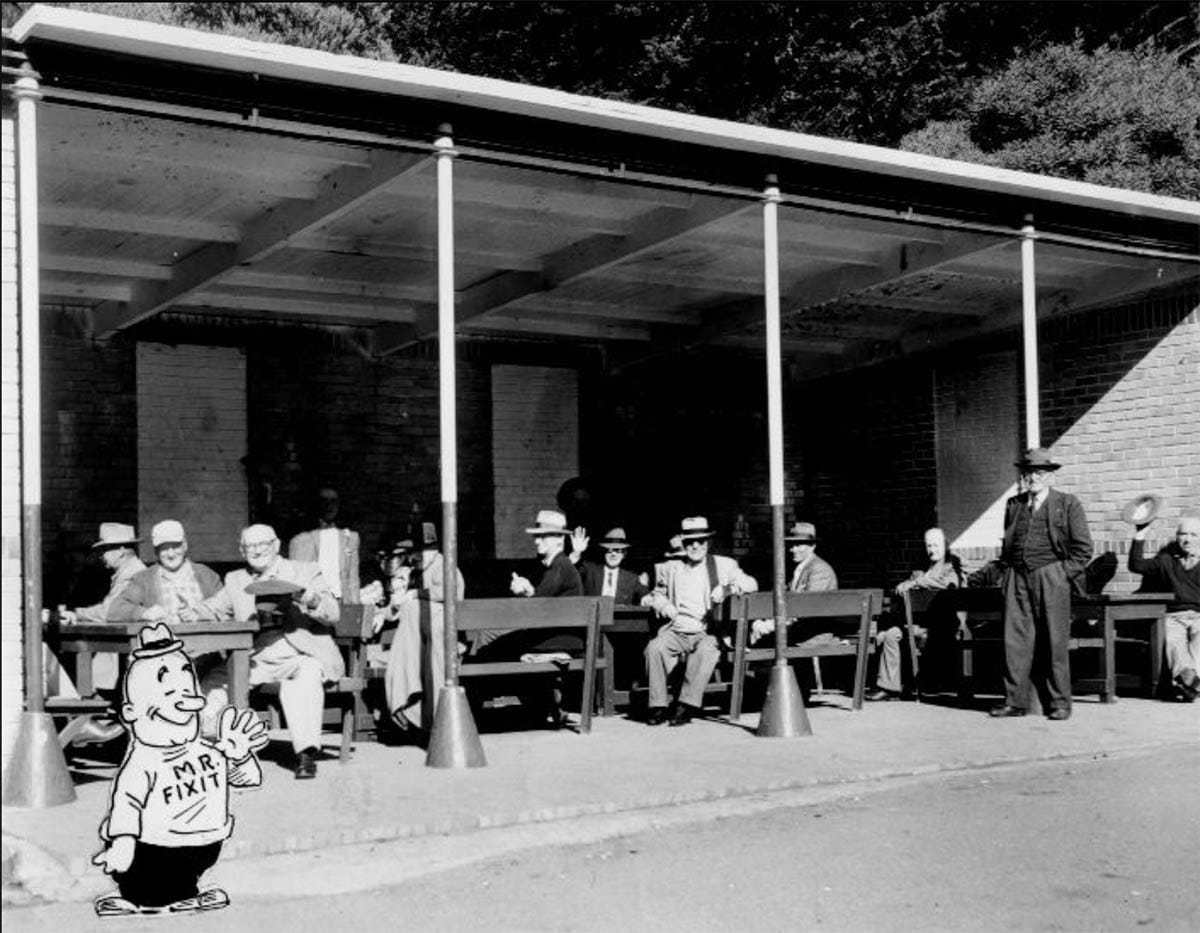
The meadow, so small to me now, served as our baseball diamond and any fly ball that landed past a big pine was a home run. We’d get daring and climb on the roof of “old man shack,” an enclosure where fedora-hatted and suit-coated gentlemen of a certain age played cards.
The lake’s backwater was “the swamp.” We were pirates and explorers roaming under the tall bushes where bright-green pond moss completely covered the water. Here we often found stray pieces of girlie magazines or ripped-out excerpts from the dirty parts of Judy Blume books.
The swamp algae looked ready to swallow you up, the quicksand of so many of our TV shows, and the porn detritus just added to the dangerous feeling.
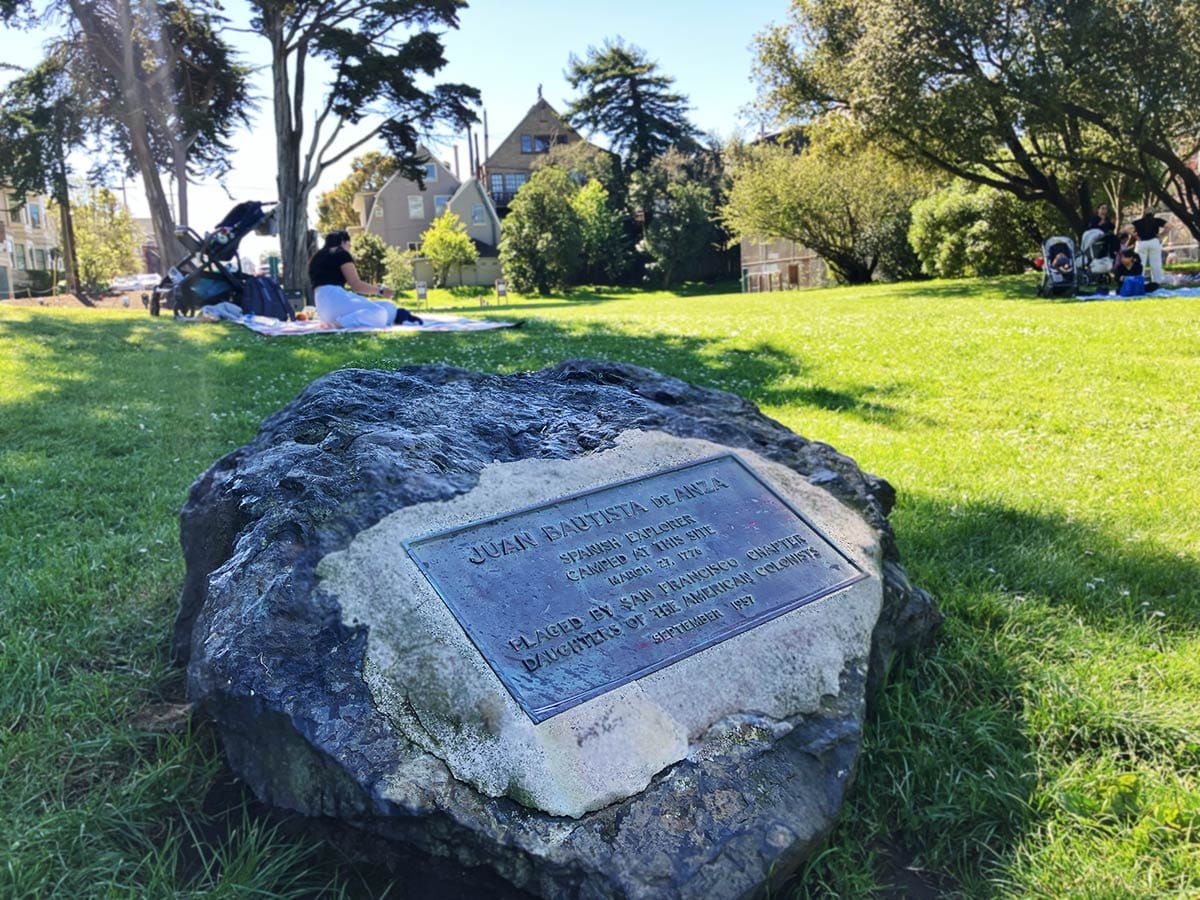
Just uphill from the swamp was a rock with a plaque commemorating Anza’s long-ago campsite:
Juan Bautista de Anza
Spanish Explorer
Camped at this site
March 27, 1776
Placed by San Francisco Chapter
Daughters of the American Colonists
September 1957
As a child in the 1970s I marveled that here was a rock two hundred years old. That people could drop commemorative stones wherever they wanted didn’t occur to me.
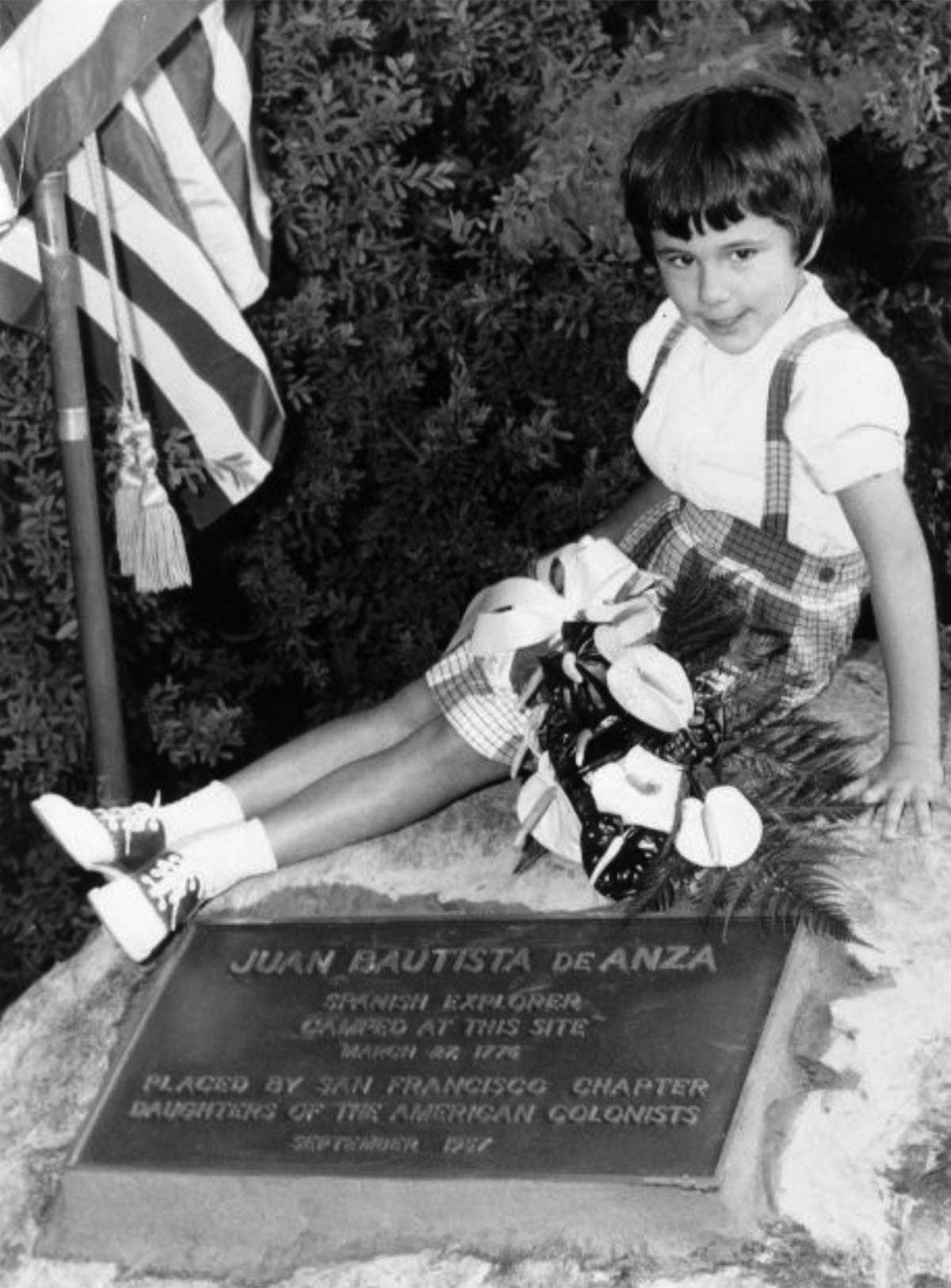
The newspapers which covered the 1957 plaque installation dutifully reported that after Anza’s night by the lake he “discovered” the San Francisco Bay.
He did not.
In addition to the thousands of indigenous people already living around the great inlet, Anza’s bosses knew about the puerto famoso. They specifically sent him to find a site for a presidio to “support our conquests in that region.”
The Daughters of the American Colonists are still around and their rock is still in the park in 2026. The plaque doesn’t lie, although perhaps it stretches the truth with the word “explorer.” Anza’s feat was primarily one of endurance, leadership, logistics, and people management.
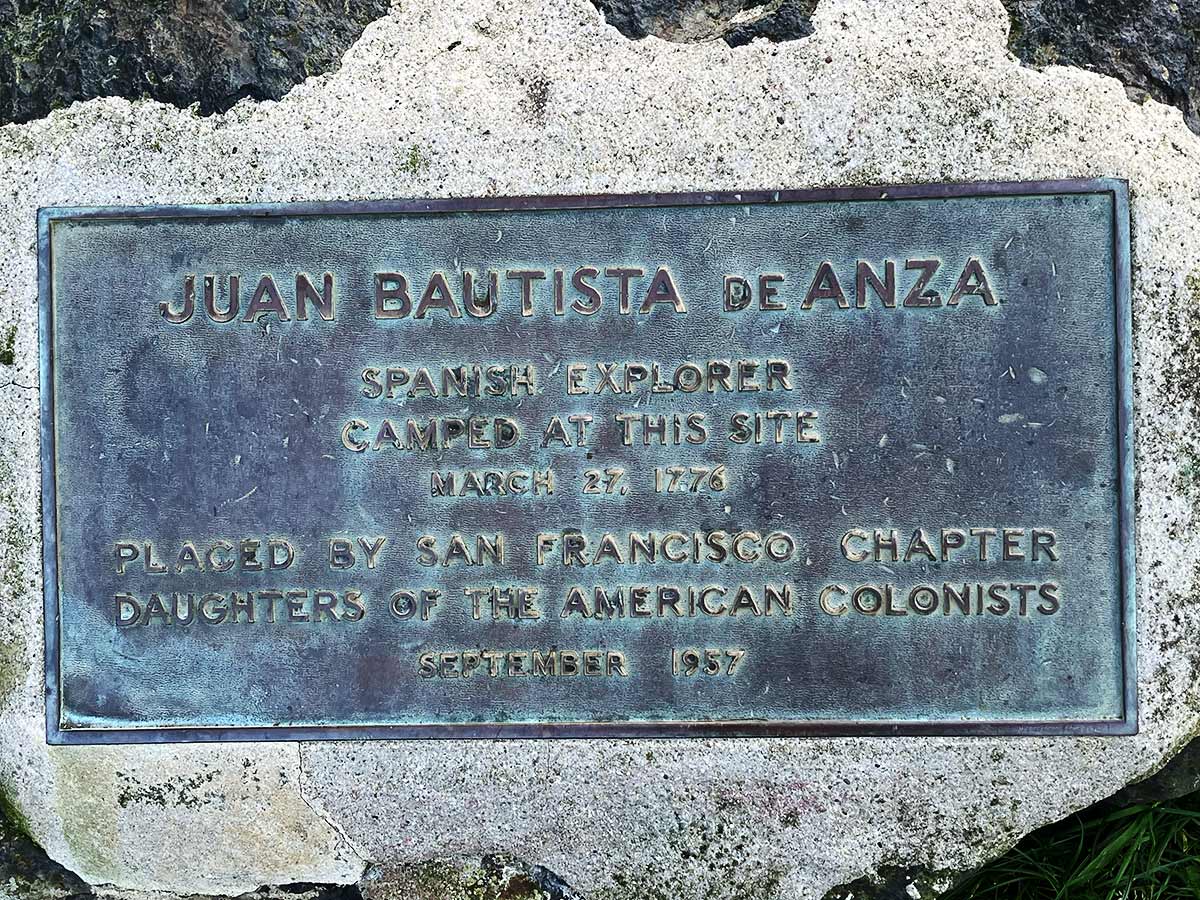
But that boulder impressed and even inspired me as a child. While he didn't discover the bay, Anza’s journey changed everything on this peninsula.
Seeds of San Francisco
On March 28, 1776, after his night beside Mountain Lake, Anza, his chaplain, Father Pedro Font, and a handful of soldiers got to work. At the mouth of the great bay (on a cliff that stood where Fort Point is today) they erected a cross “so that it could be seen from all the entry of the port and from a long distance away.”
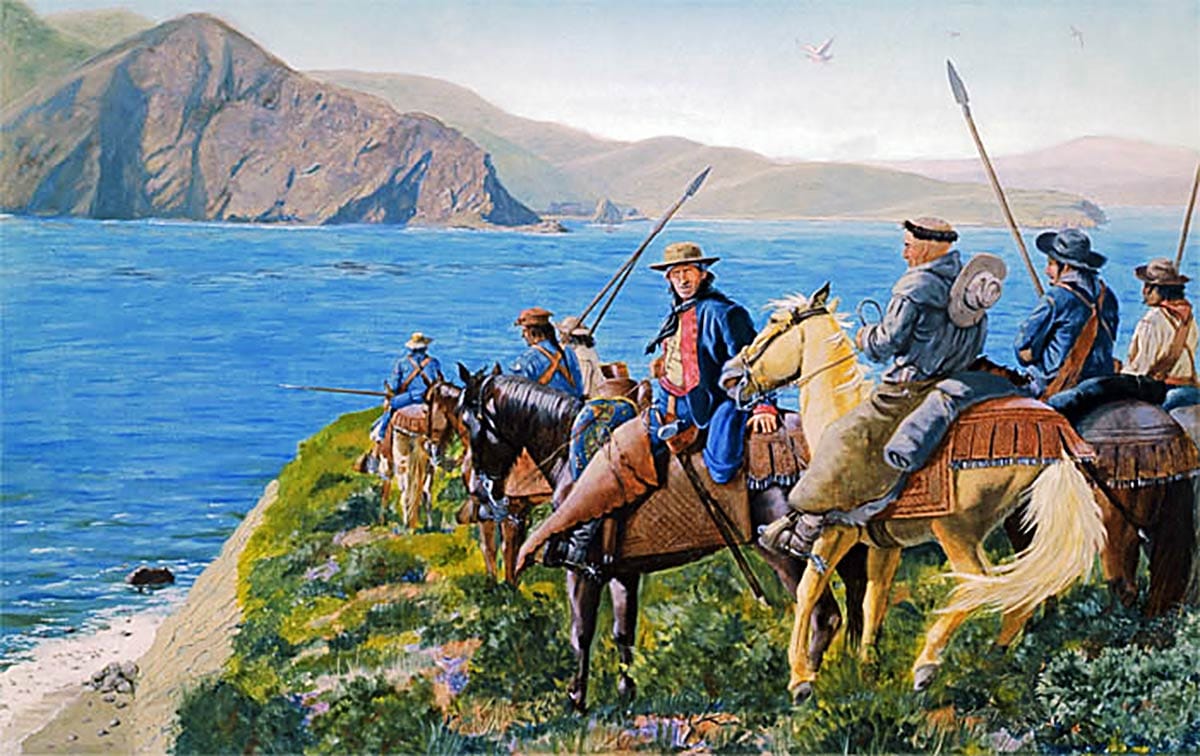
Over the next two days, Anza and Font planned sites for the presidio and mission, establishments that would be the seeds of San Francisco. In addition to checking the area for firewood and fresh water, they scouted out one more important required resource for their plans: the indigenous people, the Ramaytush Ohlone who had lived on the land beyond memory.
“All these Indians whom we saw today are very ugly, with ears and noses pierced and little sticks thrust through them, the men all naked and the women with little skirts of grass, but they are not very emaciated,” wrote Font. “They appear to be gentle Indians, and it would seem possible to form of them a good and large mission.”
Anza predicted success for the future Mission Dolores, noting it “would have the advantage of plentiful crops, both seasonal and with irrigation, as well as plenty of heathen.”
These cold appraisals won’t surprise anyone familiar with the history of the West. The mission system that colonized California was fueled by the sweat of Indian labor.
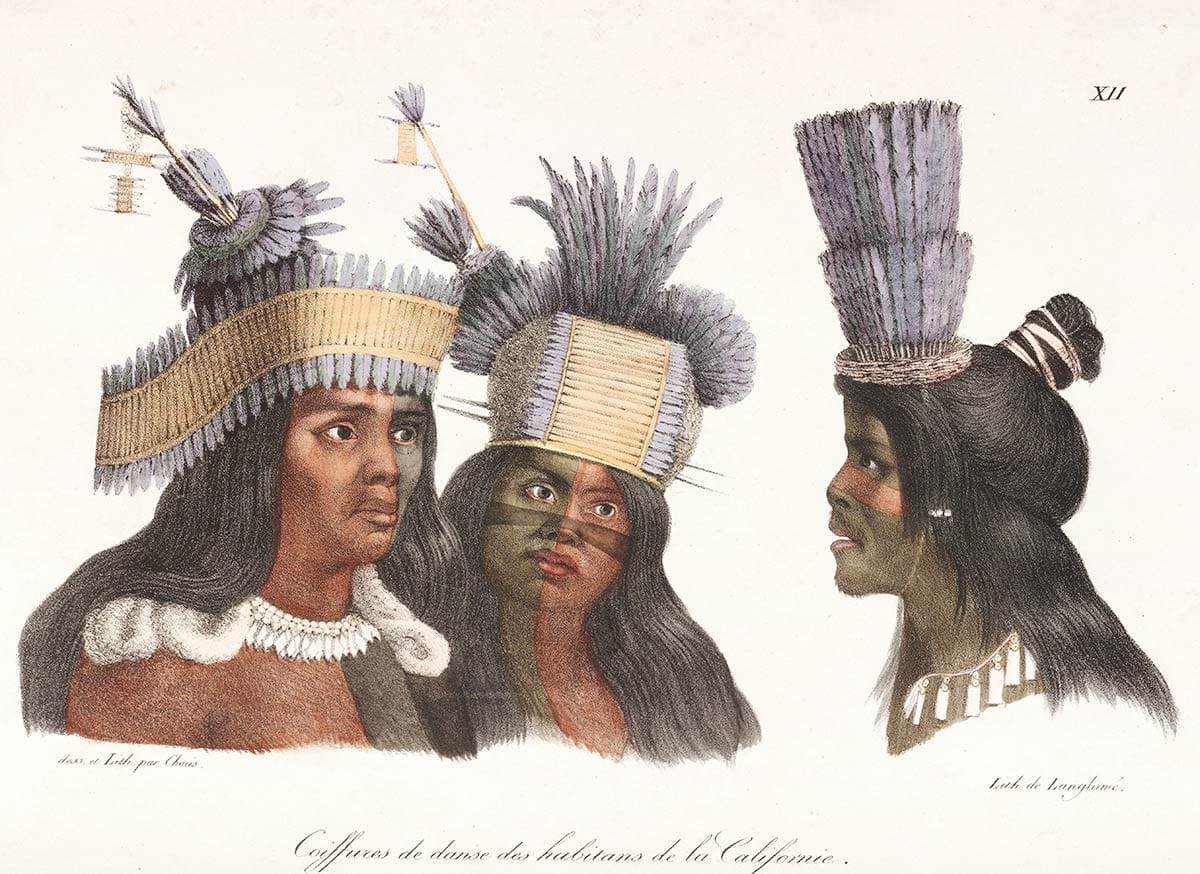
The Ohlone population of San Francisco Bay was around 10,000 when Anza and Font arrived. Sixty years later, less than 200 indigenous people survived. Their culture was intentionally eradicated, their families lost to disease and enforced work. It somehow got worse when the Americans came for the Gold Rush.
As a child reading the plaque, I imagined a small group of armored Spaniards marching into a forested, but unpopulated, park. In my mind I saw trees that weren’t here and didn’t see the people who were.
The Ohlone don’t get a mention on the plaque. (And their descendants don’t seem to qualify for DAC membership, although the requirement of having ancestors who lived under “foreign governments” applies to them more than anyone.)
But the work of Juan Bautista de Anza, Father Pedro Font, and the Spanish Empire would have failed without the impressed toil of the indigenous people of California.
The Daughters of the American Colonists wanted to celebrate a link to the living and the beginnings of a great city. Whether they liked it or not, with their tombstone-like marker they also commemorated the deaths of thousands and the end of a society.
My usual get-out-of-the-house constitutional winds through the park. It runs where I ran as a boy half a century ago. It’s the same and different, as I am the same and different. I don’t climb trees or build forts anymore, but I pay more attention.
I edit, amend, gloss, gild, and underline, trying to hold everything and see more each time.
Woody Beer and Coffee Fund
Who says history work has to be a dull solitary pursuit in dusty archives? (Most archives are not dusty, by the way.) History work can be social and enlivening and, thanks to those who donate to the Woody Beer and Coffee Fund, can include libations and even viands to nourish conversation.
Let me know when you are free to get together and we can jump into our time-travel planning.
Sources
Louis Choris, trans. B. Porter Garnett, San Francisco One Hundred Years Ago (San Francisco: A. M. Robertson, 1913)
Herbert Eugene Bolton, Anza’s California Expeditions (Berkeley, CA: University of CA Press, 1930).
“Anza Marker Fete Planned,” San Francisco Examiner, September 15, 1957, pg. 7.
“Plaque Marks Bay Discovery in 1776,” San Francisco Chronicle, September 19, 1957, pg. 2.
“De Anza Marker Unveiled,” San Francisco Examiner, September 19, 1957, pg. 10
Alan Leventhal, Les Field, Hank Alvarez, and Rosemary Cambra, “The Ohlone Back from Extinction,” The Ohlone Past and Present (Menlo Park, CA: Ballena Press, 1994), ed. Lowell John Bean