
Re-exposed
Sam Crow’s 1910s and 1920s photographs are brought into the light.
Before we get started, I want to give you a heads-up that my new book on the Geneva Car Barn is on the shelves of Green Apple on Clement Street.
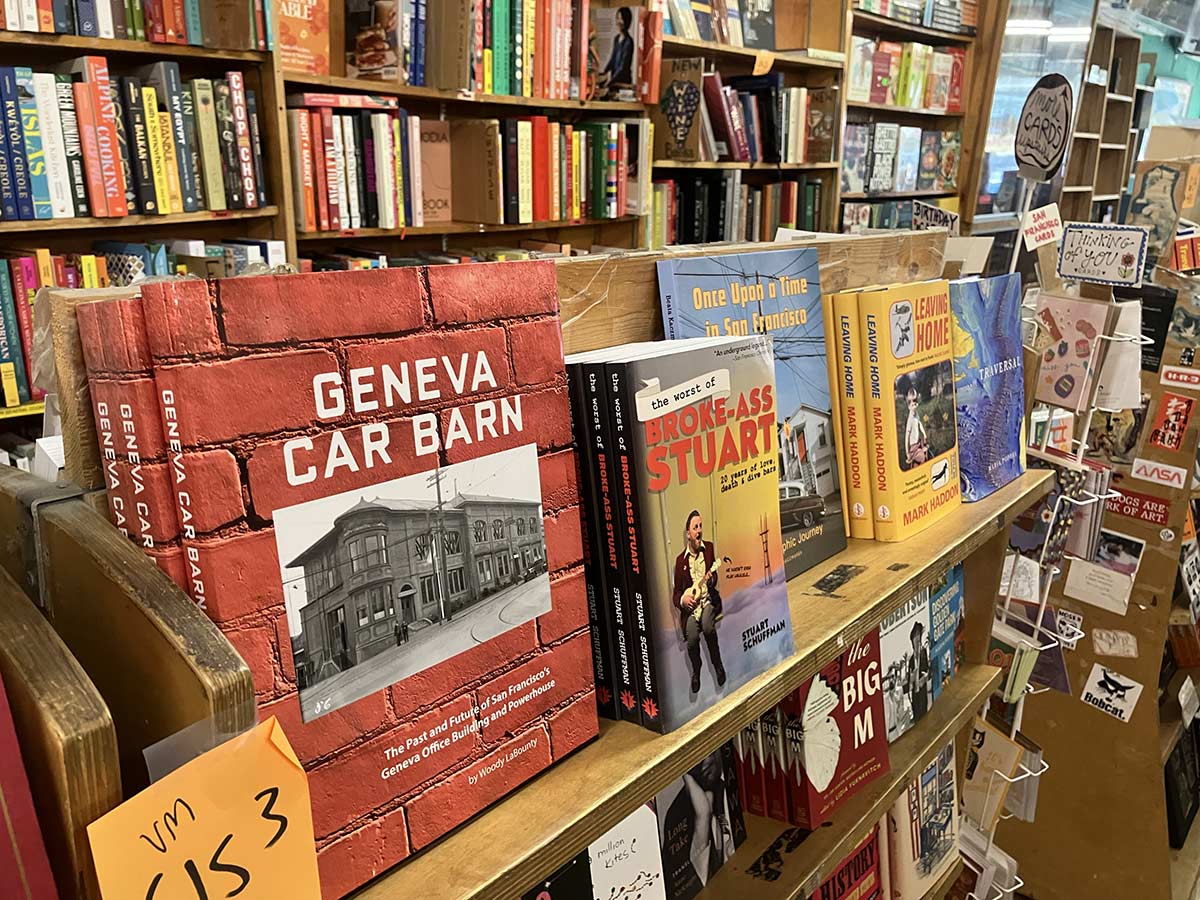
If you are interested, go get one and support my favorite retail store in San Francisco and the Friends of the Geneva Car Barn’s efforts to restore that great building.
David Gallagher and I met two very nice women at the after-party of Rick Prelinger’s Lost Landscapes show last December. Between raids of the Bi-Rite spread, the older woman mentioned she had a friend who was “looking for a good home for a lot of old glass plate negatives.”
All David does every day is ride his bicycle around the Bay Area and look at old photographs. When we were at Western Neighborhoods Project, he made OpenSFHistory to share a massive collection of more than 50,000 images. Since then, David created SFMemory and has scanned, described, and posted thousands more for public enjoyment.
He gave her his card and said he’d be happy to help, even though, as he admitted to me later, he’s pretty much maxed out his storage space, has a big backlog of photos to scan, and usually the collections he’s offered aren’t anything special.
But this collection was worth the time.
David Okimoto, a photographer himself, was the friend with the orphaned collection of negatives and after lots of back and forth the two Davids met to look them over at Mr. Okimoto’s house in Danville.
“I was just blown away,” David (Gallagher) told me. “He is a super fascinating and friendly and delightful person. I’m still not sure how he got this collection, but he said ‘I’m just gonna give these to you.’”
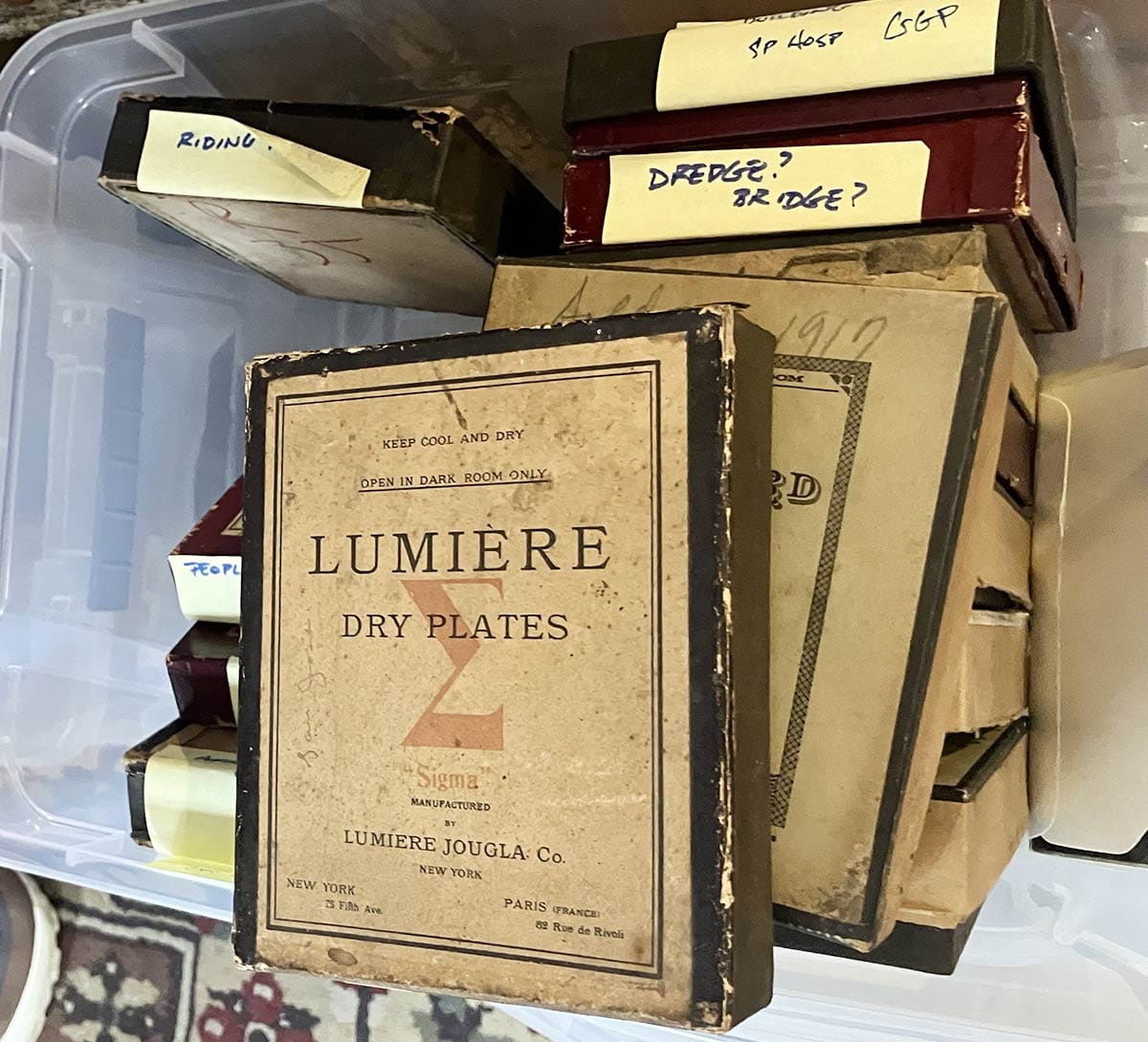
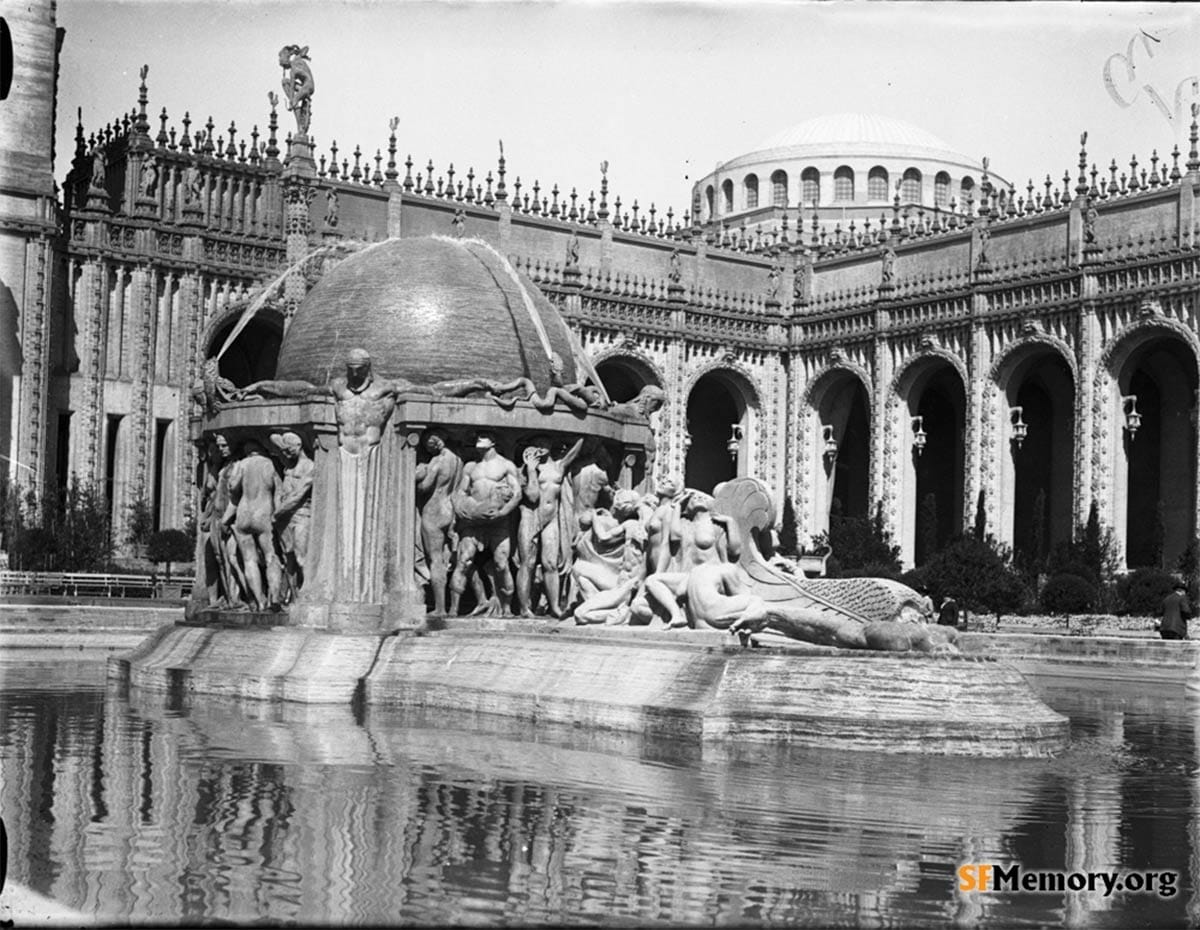
There were over 1,000 glass plates in boxes, and with the addition of negatives in other formats, the collection has at least 1,200 images. A cursory look showed views of Sutro Baths and the 1915 Panama-Pacific International Exposition in today’s Marina District. Anyone interested in San Francisco history would want to dig deeper.
Mr. Okimoto only knew the photographer’s last name was Crow. Once home with the collection, David spent hours doing research to discover the full name of the creator: Samuel Marmaduke Crow.
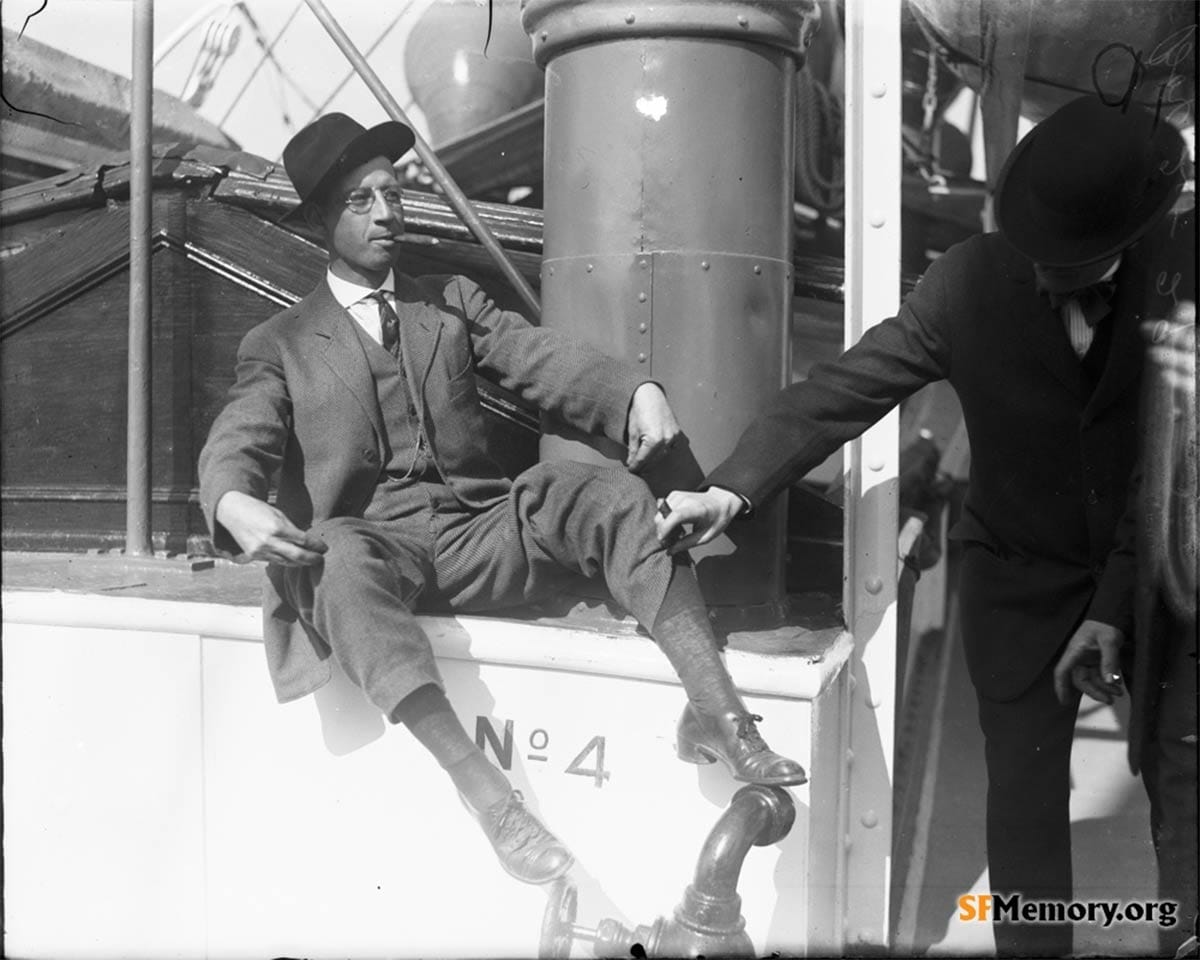
Crow was a pro. He wrote technical articles for Camera Craft magazine and photo-inventoried antiquities for William Randolph Hearst at San Simeon. He was a photographer for a news bureau for years. A lot of his pictures show up in the Bulletin and the Examiner, even if they are rarely cited with his name.
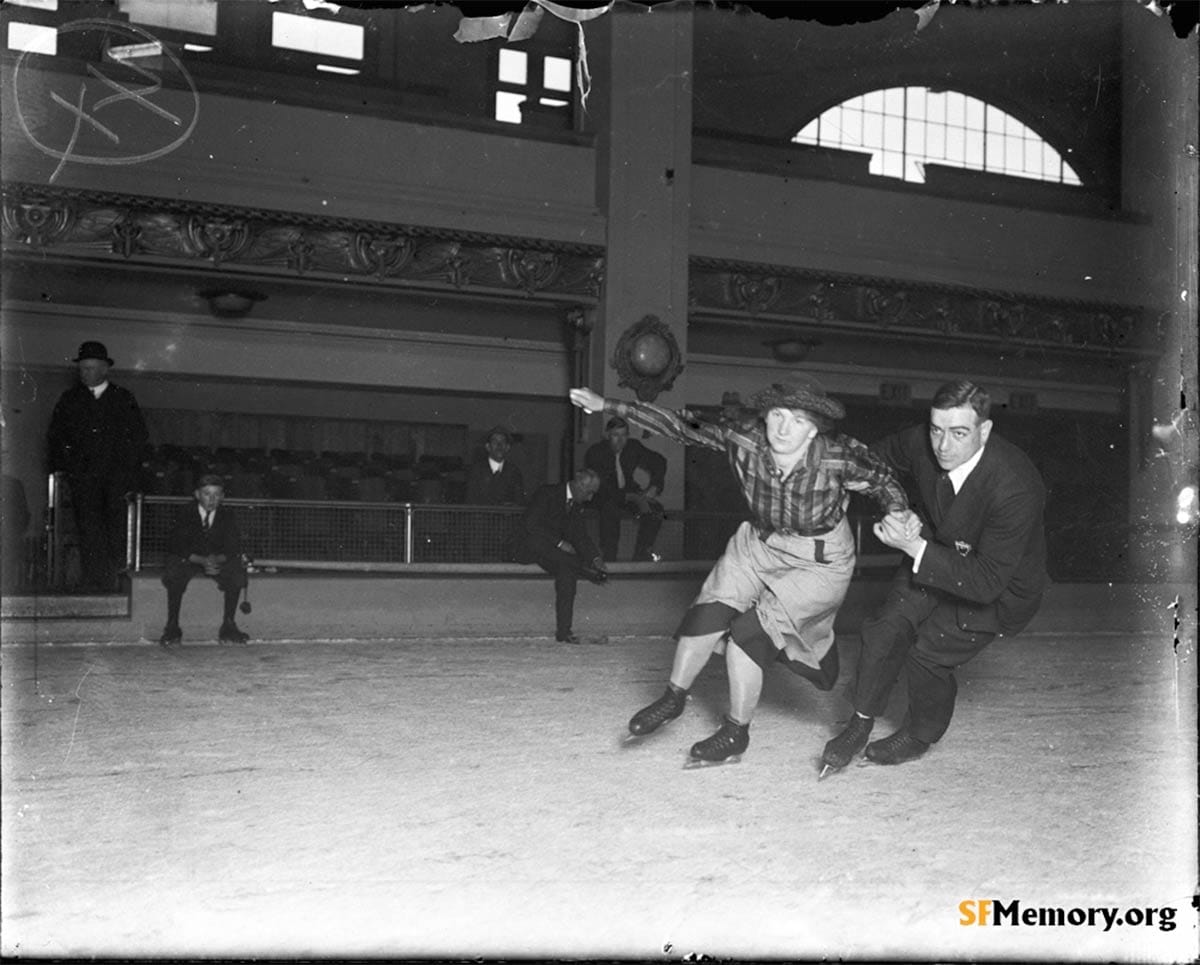
But the collection seems to have very little of Samuel Crow’s paying work. While some news material is mixed in, David believes the bulk of the material reflects the photographer’s personal interests.
What was Samuel Crow personally interested in? Like you and me, he snapped shots of his family, his son, Andrew, his wife, Esther:
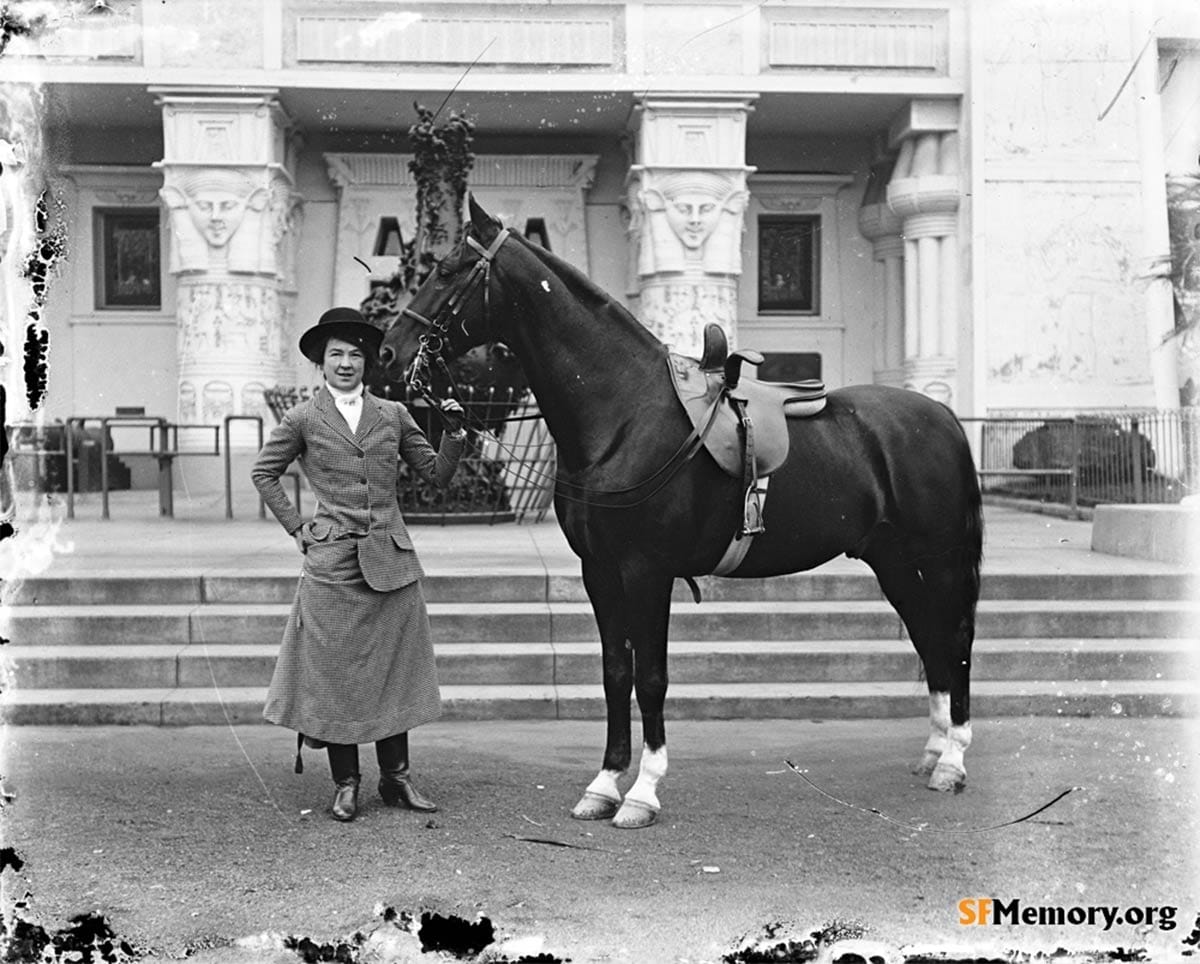
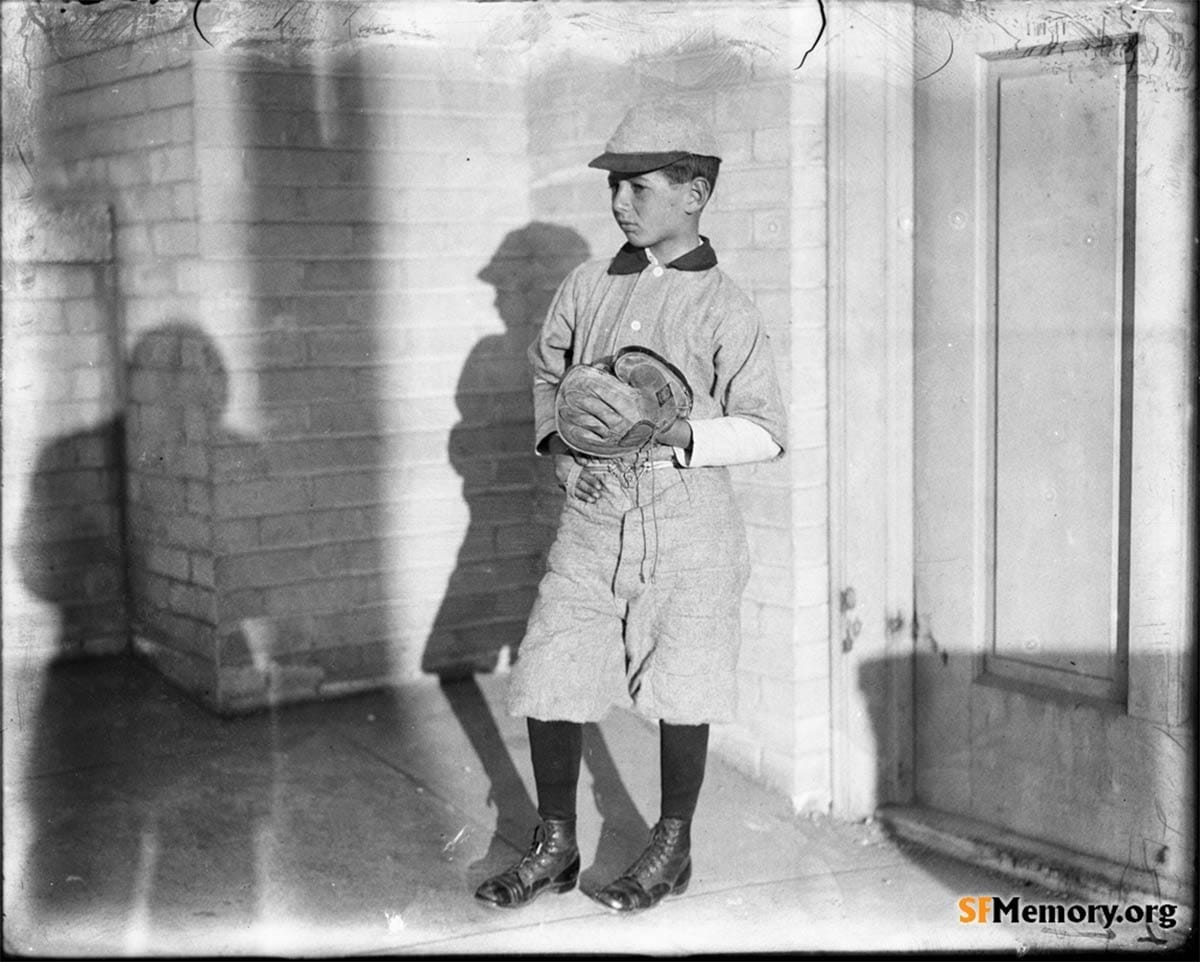
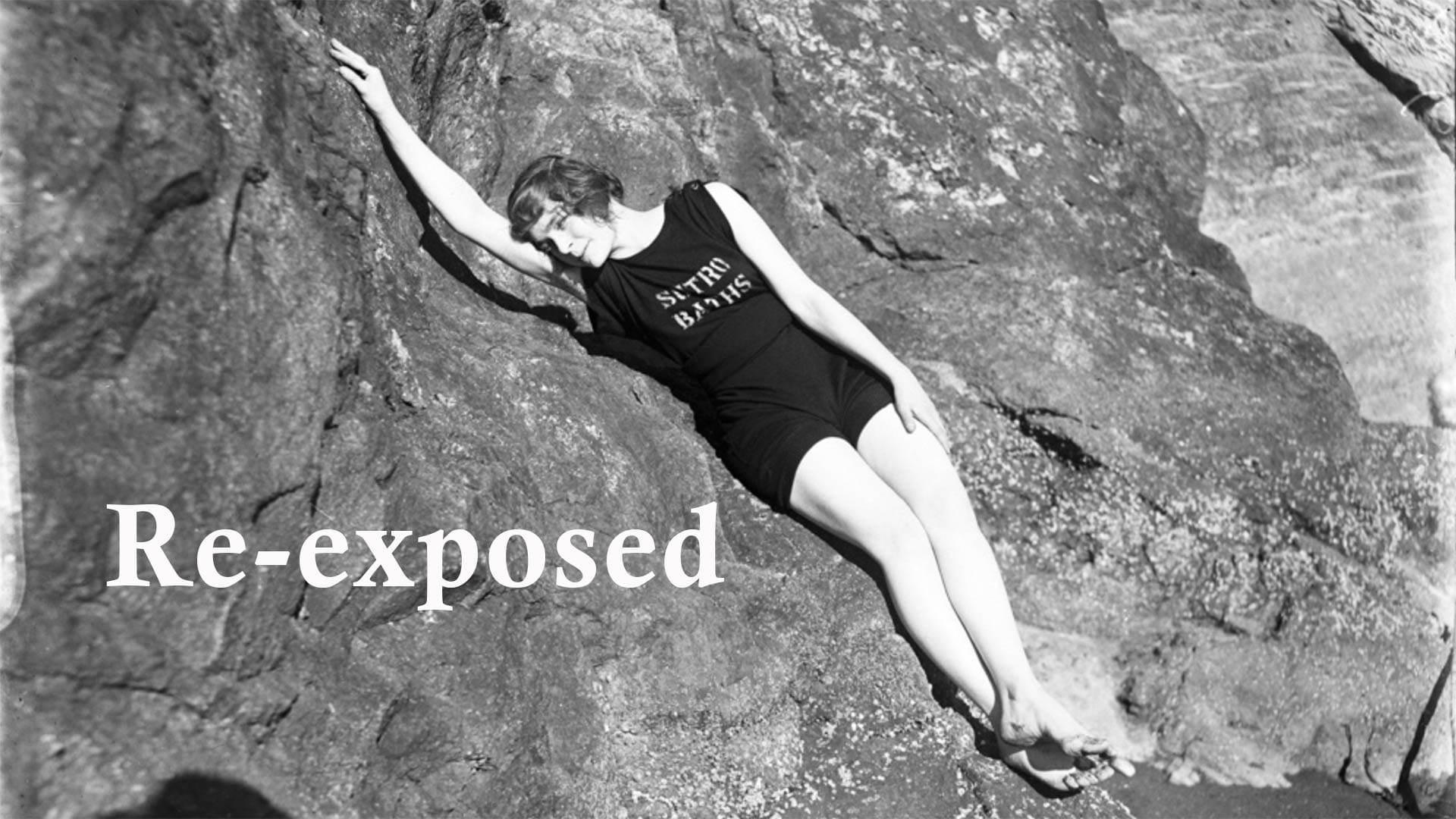
And he liked horses, dogs, competitive swimmers, and pretty girls.
“While pretty tame by our standards, there are lots of pin-up photos,” David notes.
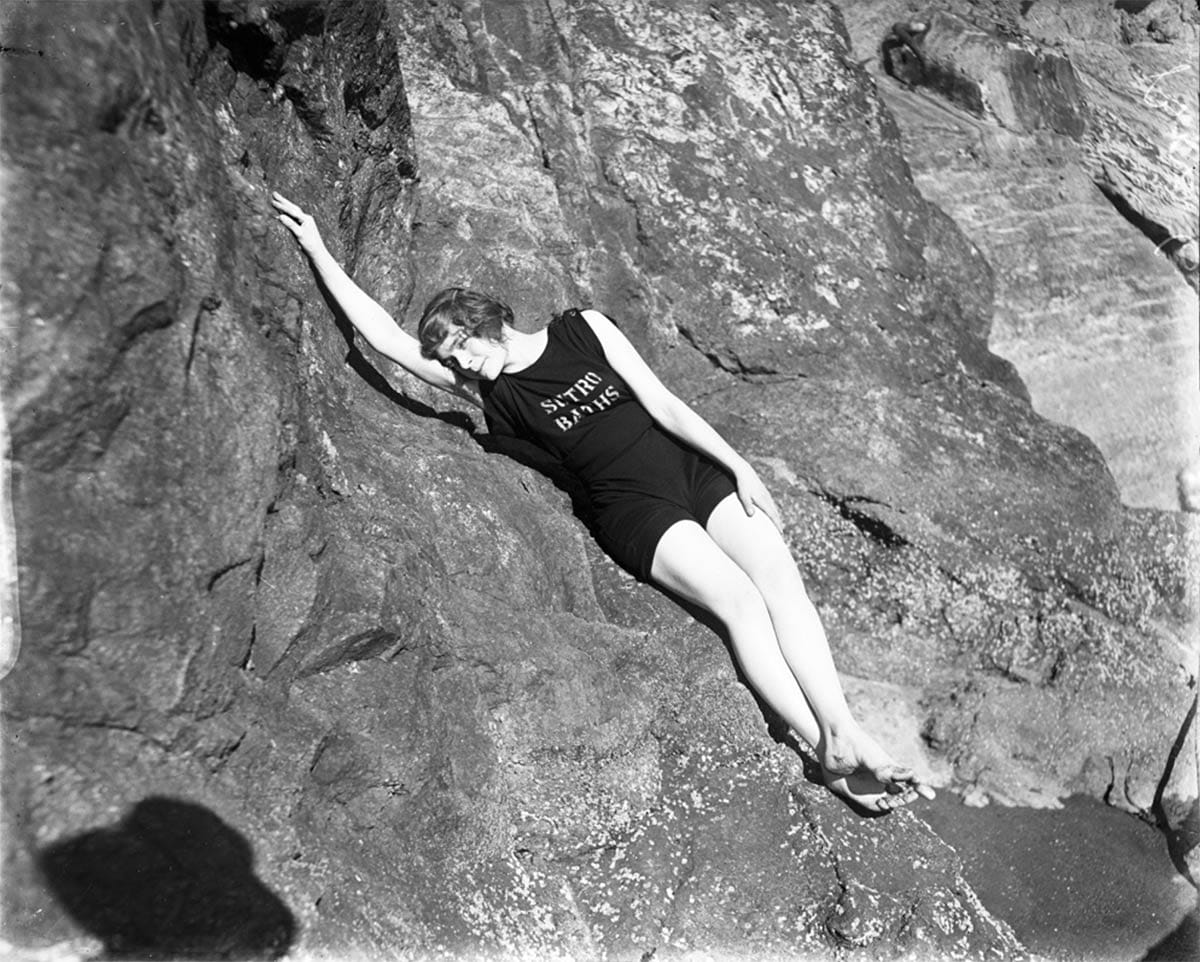
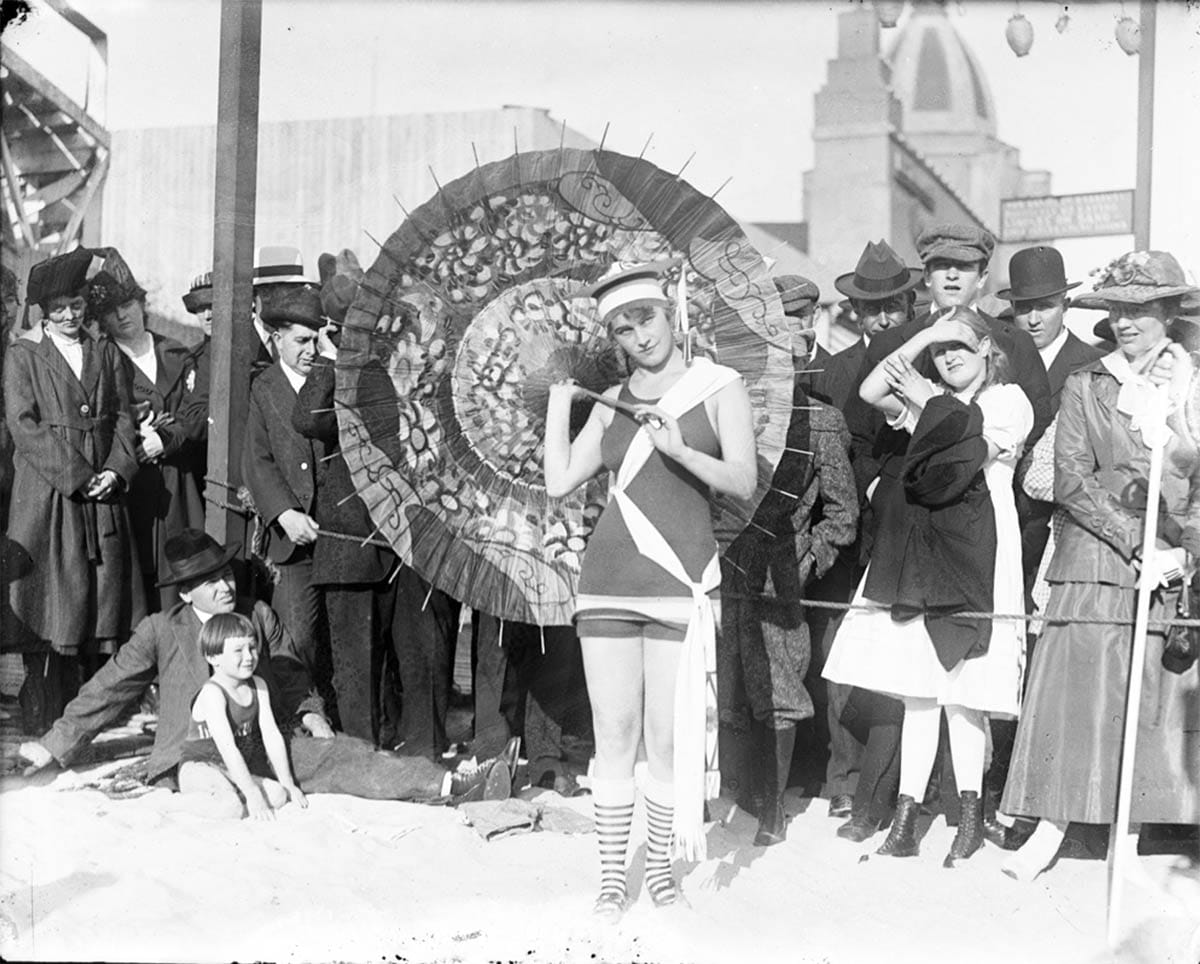
Neptune Beach in Alameda and Idora Park in Oakland show up in the collection and there are portraits of club and competitive swimmers in an era when the sport was at its highest popularity in the Bay Area.
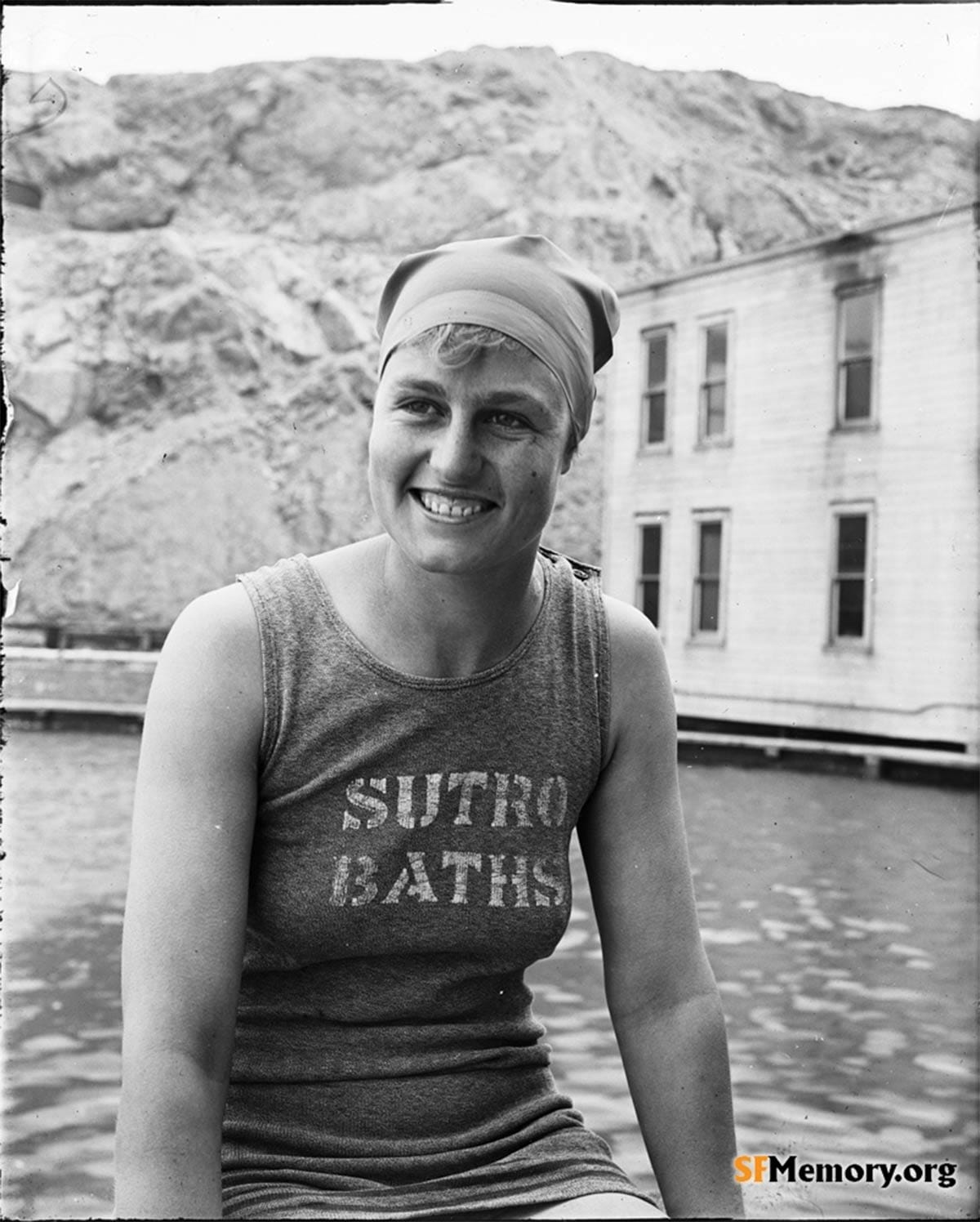
So far, most of the swimmers are unidentified, but Olympic gold medalist Norman Ross is in there, as are many female members from different clubs.
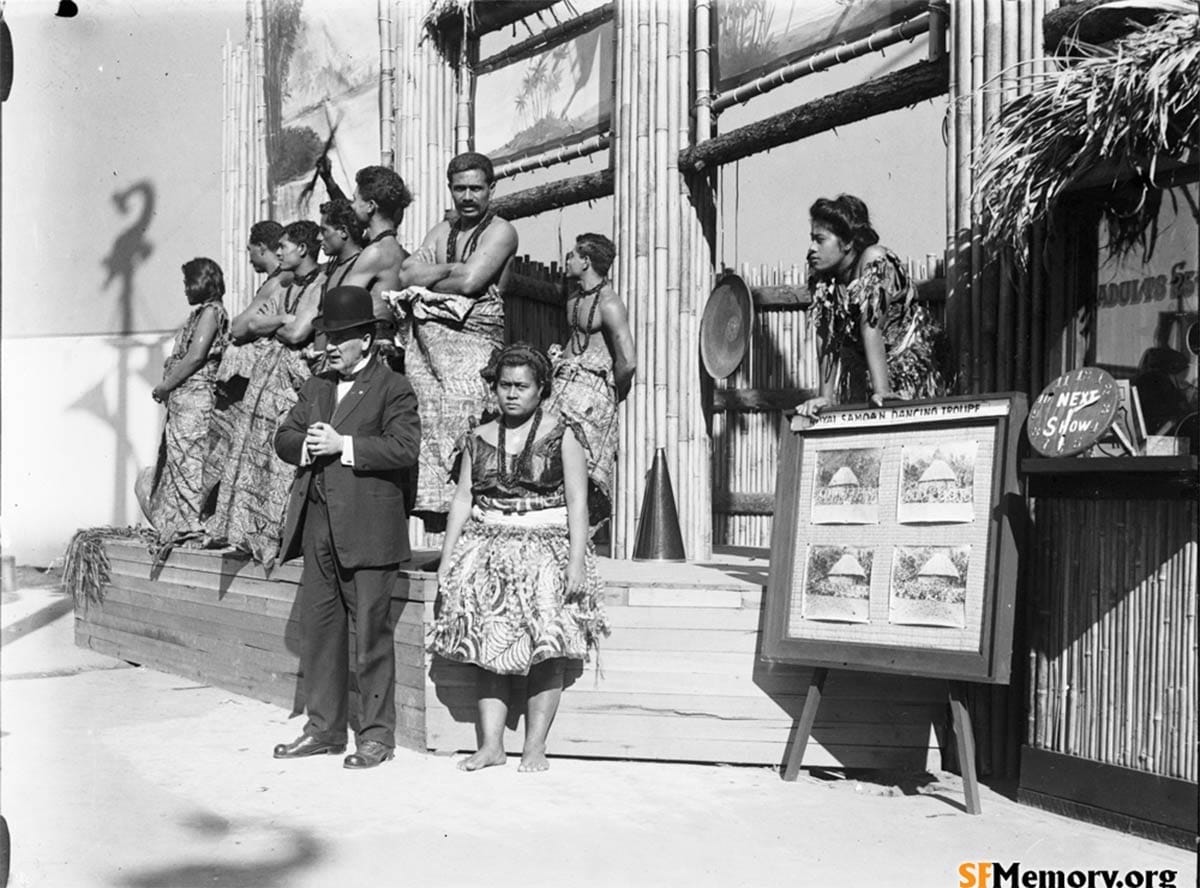
We local history buffs have seen a million views of the 1915 Panama-Pacific International Exposition, but Crow’s are, in David’s words, “beautifully composed, technical excellent photos.”
Some have a personal touch that makes you feel more a participant than do most of the many postcard and publicity shots of the fair.
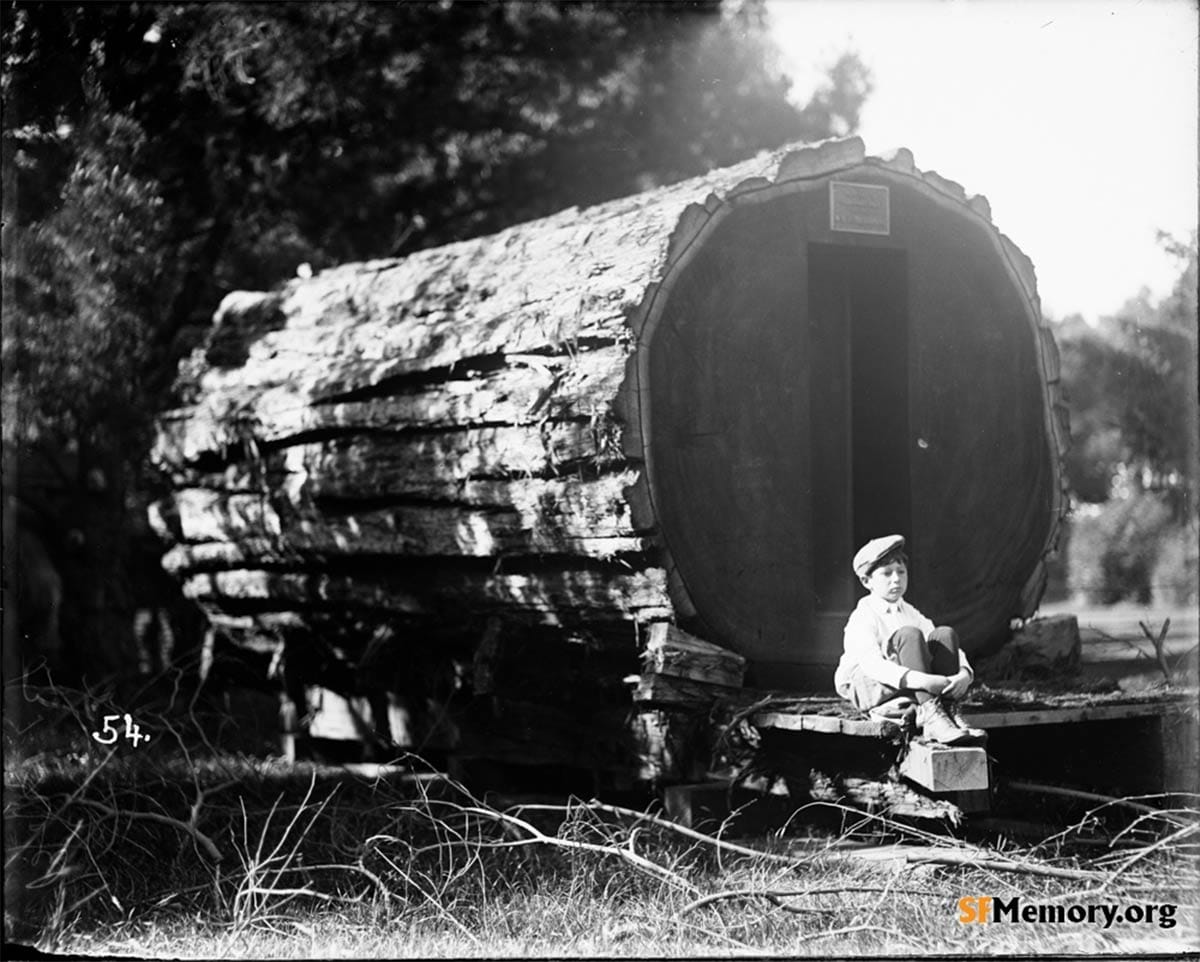
New to us (and Golden Gate Park historian Chris Pollock) was a redwood log “house” that apparently had a short life in the park. Andrew Crow posed in front of it for a few exposures.
“In looking at what I’ve scanned so far there are many recognizable views,” David notes, “but also many portraits that are technically excellent and somehow read as modern; the folks look like people we might know.”
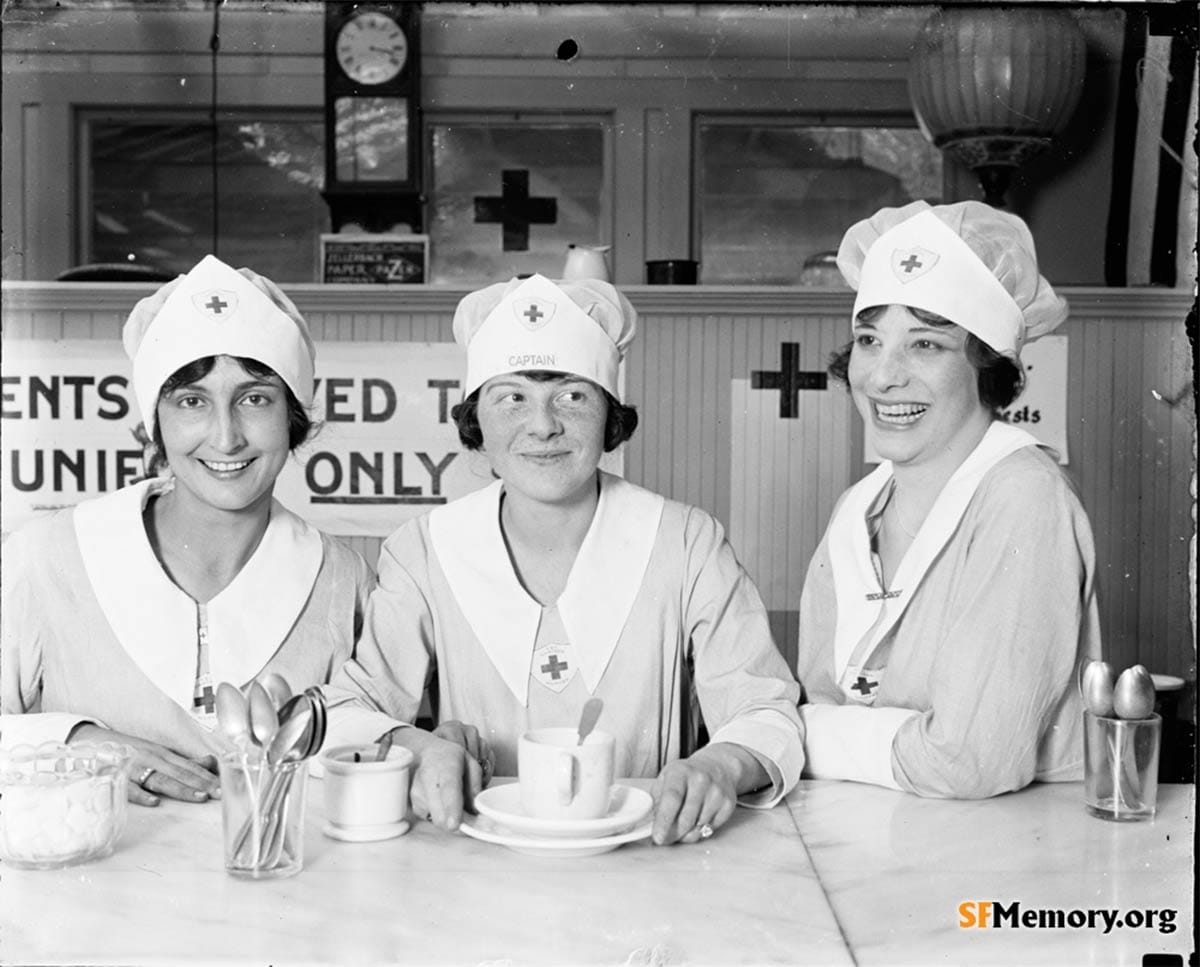
“He used his news photography techniques to shoot relaxed and semi-candid shots. I think this gives a window into the time that many of our blurry family snapshots or formal studio portraits don’t quite capture.”
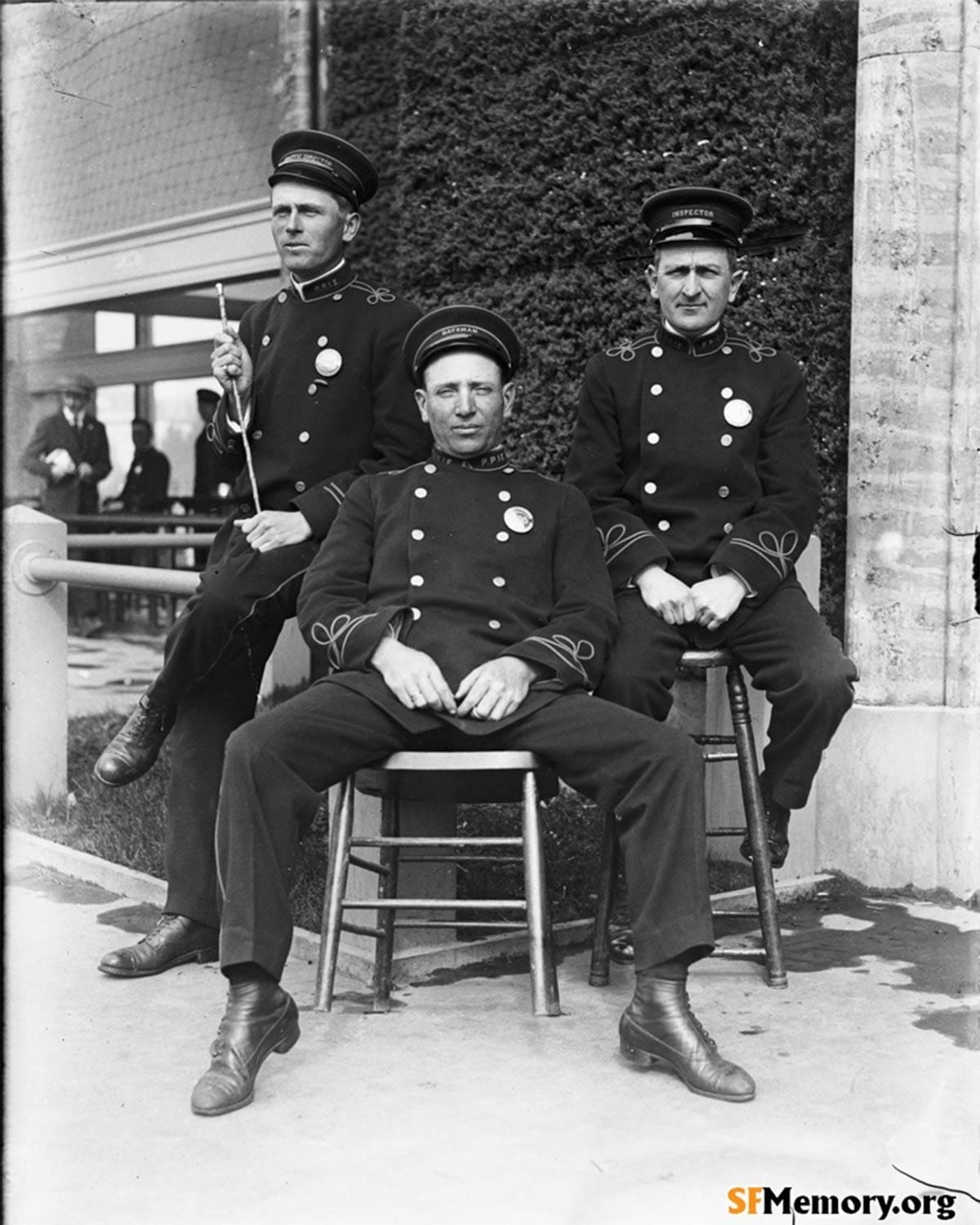
“So far, it’s the humanity in the images that speaks loudest to me in Sam Crow’s work.”
David has scanned less than a quarter of the collection so far. There’s lots of World War I related material, views taken in the Presidio, harness races at the Polo Fields in Golden Gate Park, baseball games…
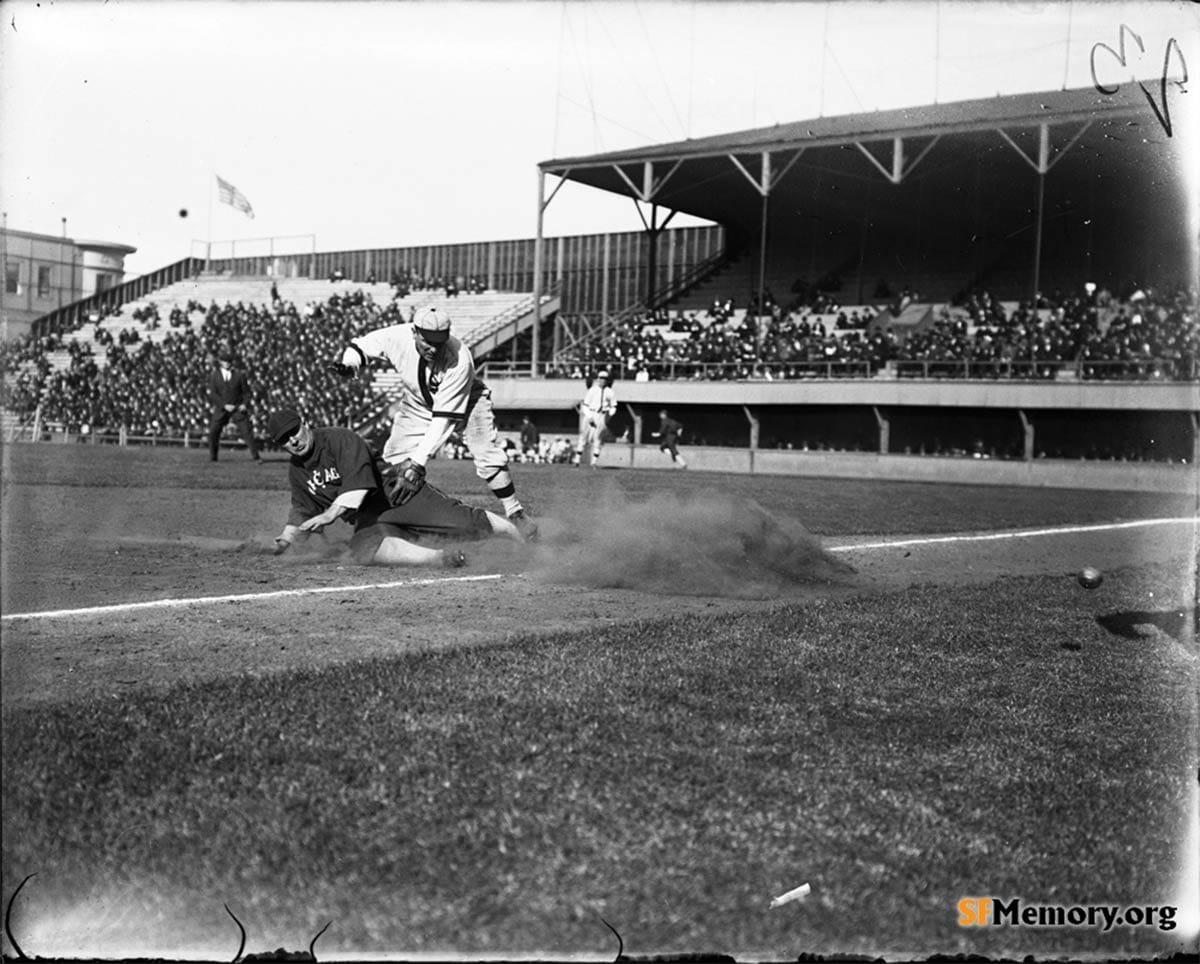
David Okimoto wanted the collection to find a good home. After the best images get scanned and catalogued, David Gallagher plans to make that happen. The collection would likely be welcomed at the history center of the San Francisco Library. David is also doing a little research to see if he can track down any of Sam Crow’s descendants.
In the meantime, Crow’s work is being added to SFMemory for the public to enjoy. You can browse through the whole first batch here.
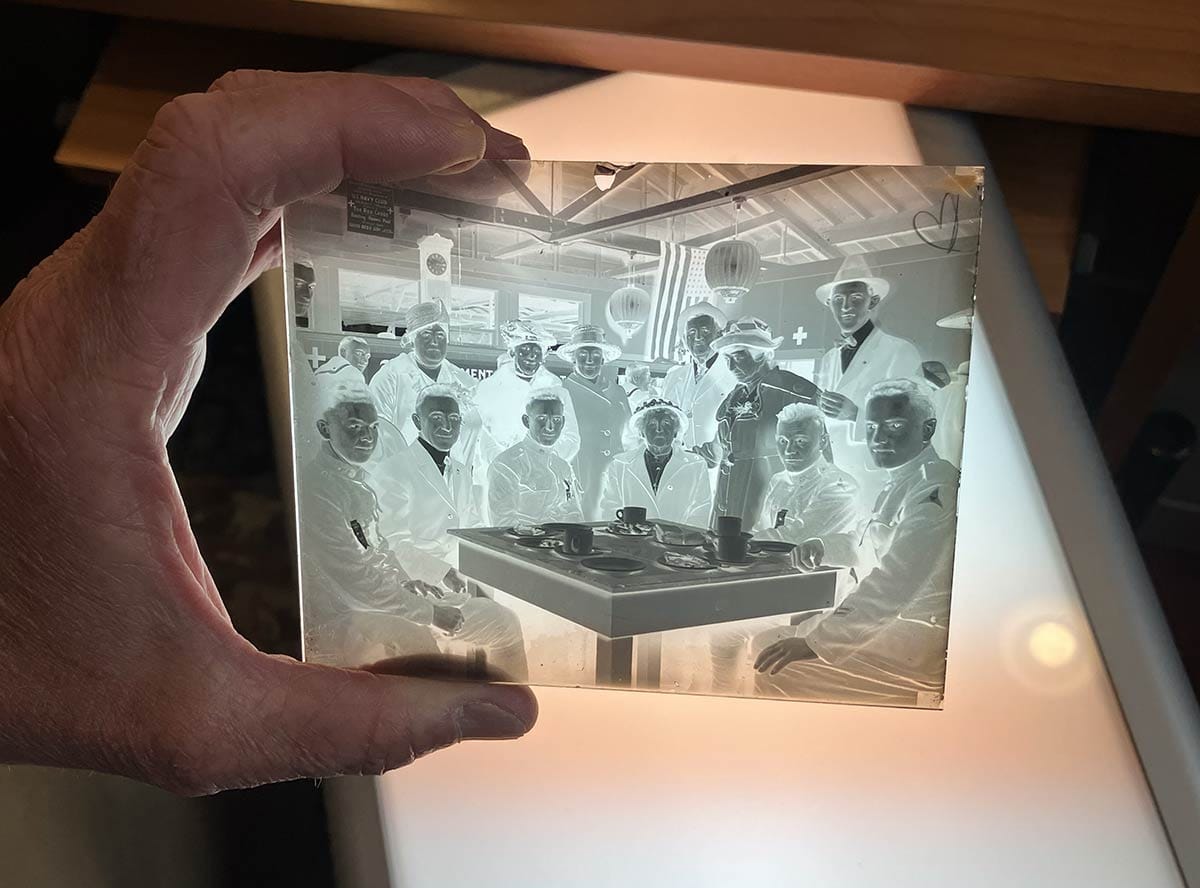
Running out of storage room in his small office and swamped with a backlog of other collections which he still needs to finish processing, David tells me, “I’m kinda at my limit… stretched to the bursting point…”
I laugh and ask him: if someone new offered a great collection of old photos, would he take them?
“Of course. I’m always excited.”

Woody Beer and Coffee Fund
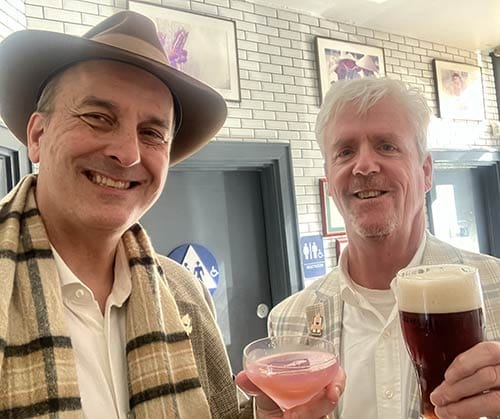
Warm weather! Maybe we should have our beverage in a parklet or back garden? Money has been donated to the Woody Beer and Coffee Fund for you and me to tap. (Thank you generous donors!)
Let me know when you are free!