
Branching Out
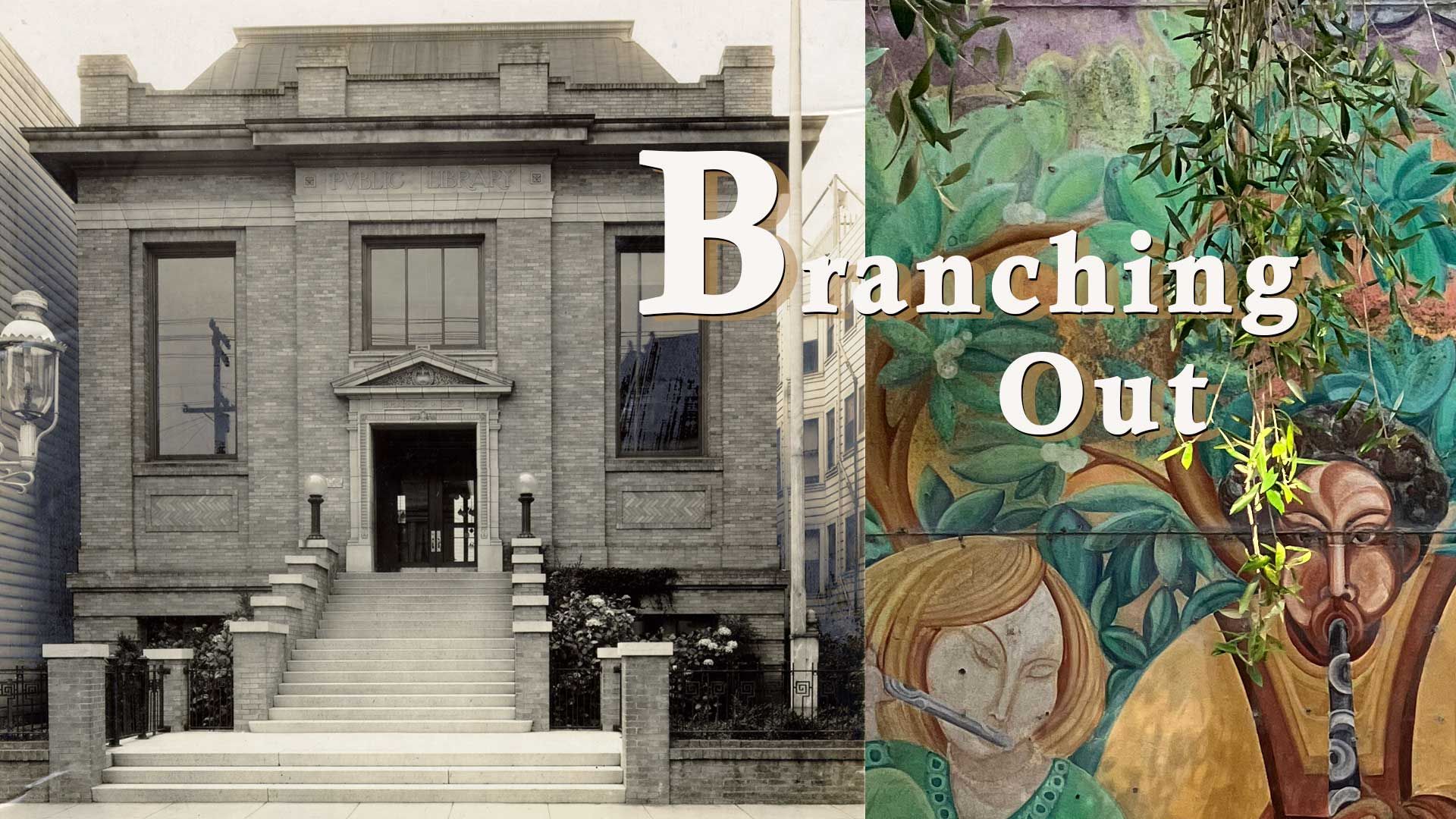
Answers at San Francisco's oldest public library building.
“You’re going already?” Nancy asked.
It was 10 a.m. On Saturdays I normally go for a walk at mid-day. But I wasn’t feeling normal.
“I’ll be back,” I said.
Since high school I have had little tricks to get myself unstuck from negative moods. For general malaise or apathy, my usual walk routine mostly does the job. But deeper emotional or intellectual pits call for stronger measures.
I hadn’t slept well. City Hall politics weren’t going my way at work. I’d been feeling old, seeing change everywhere, having dreams about missing flights, about fighting grizzly bears.
Therefore, I was going to the library.
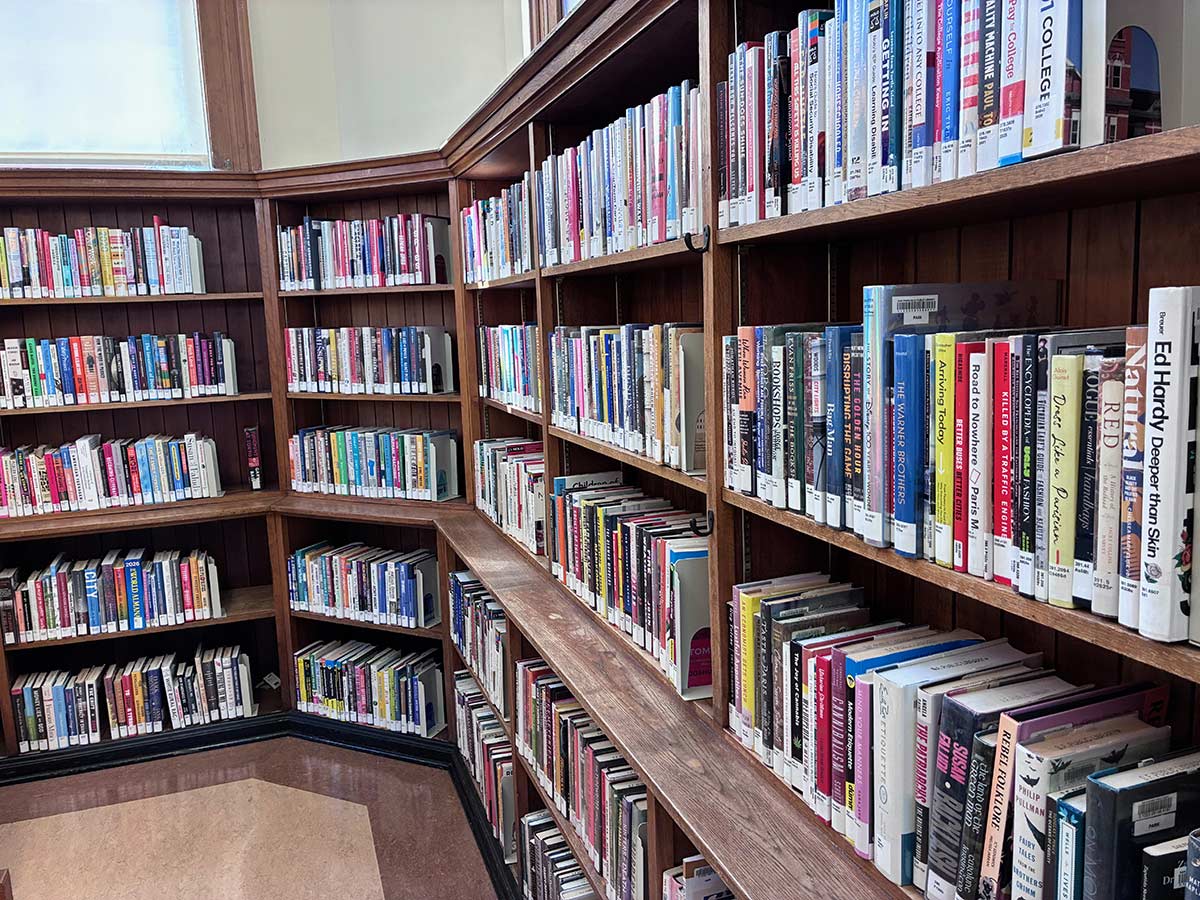
San Francisco’s libraries have pulled me out of many a funk, even if answers for questions practical (“Why can’t I get this project done?”) to existential (“What am I doing with my life?”) are rarely directly answered in the books I browse.
Plastic-covered tomes on closet organization, French theater, management theory, Cold War spies, gazpacho recipes, H. P. Lovecraft short stories, vitamin diets, Virginia Woolf’s diaries, crafting, writing, title variations of “Why This Is That” and “How You Can Do This” and the first twenty pages of random novels, have all pushed me back to action, back to life, shaken me loose for big changes, big risks, fresh starts and better attitudes.
I am lucky in that a quiet high-ceilinged big-windowed temple of books is usually enough to flip a switch in me. I am lucky San Francisco has a number of these places.
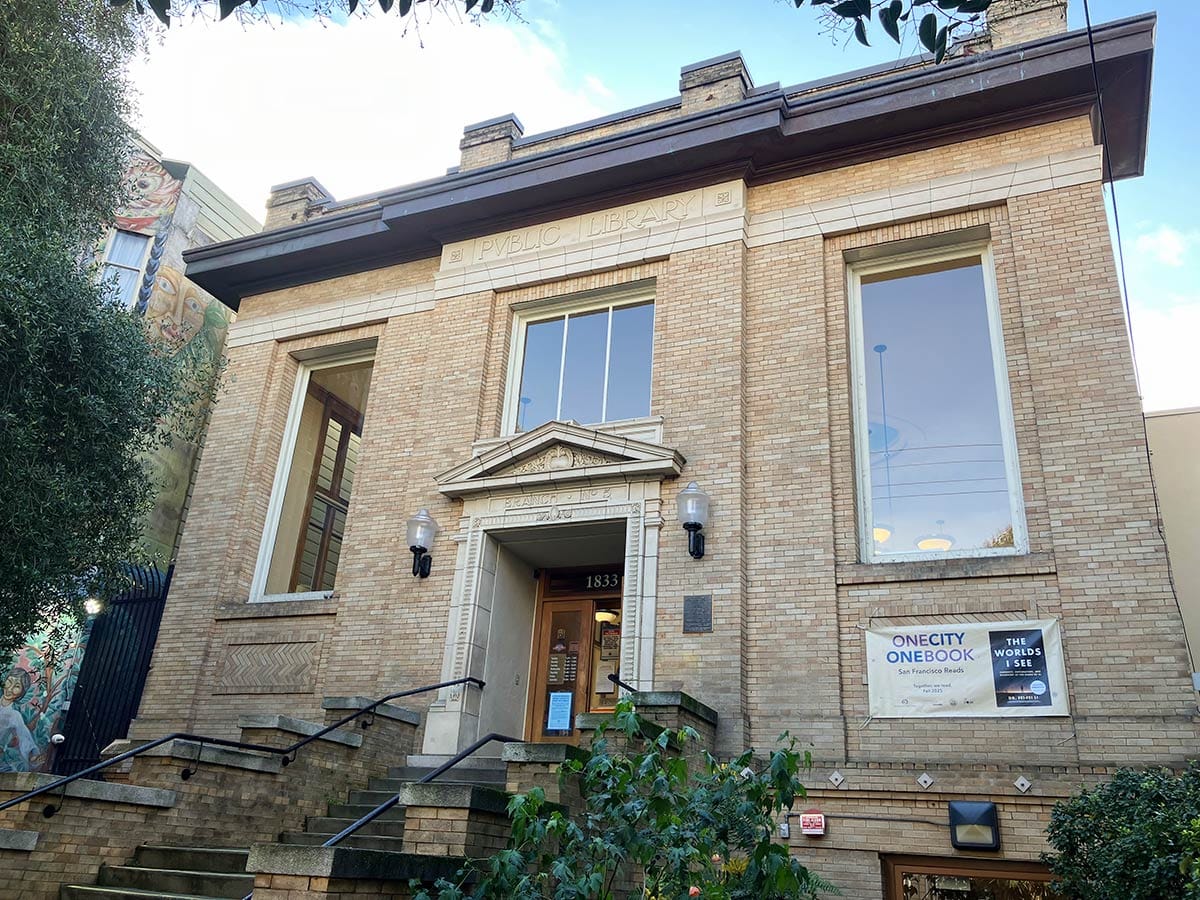
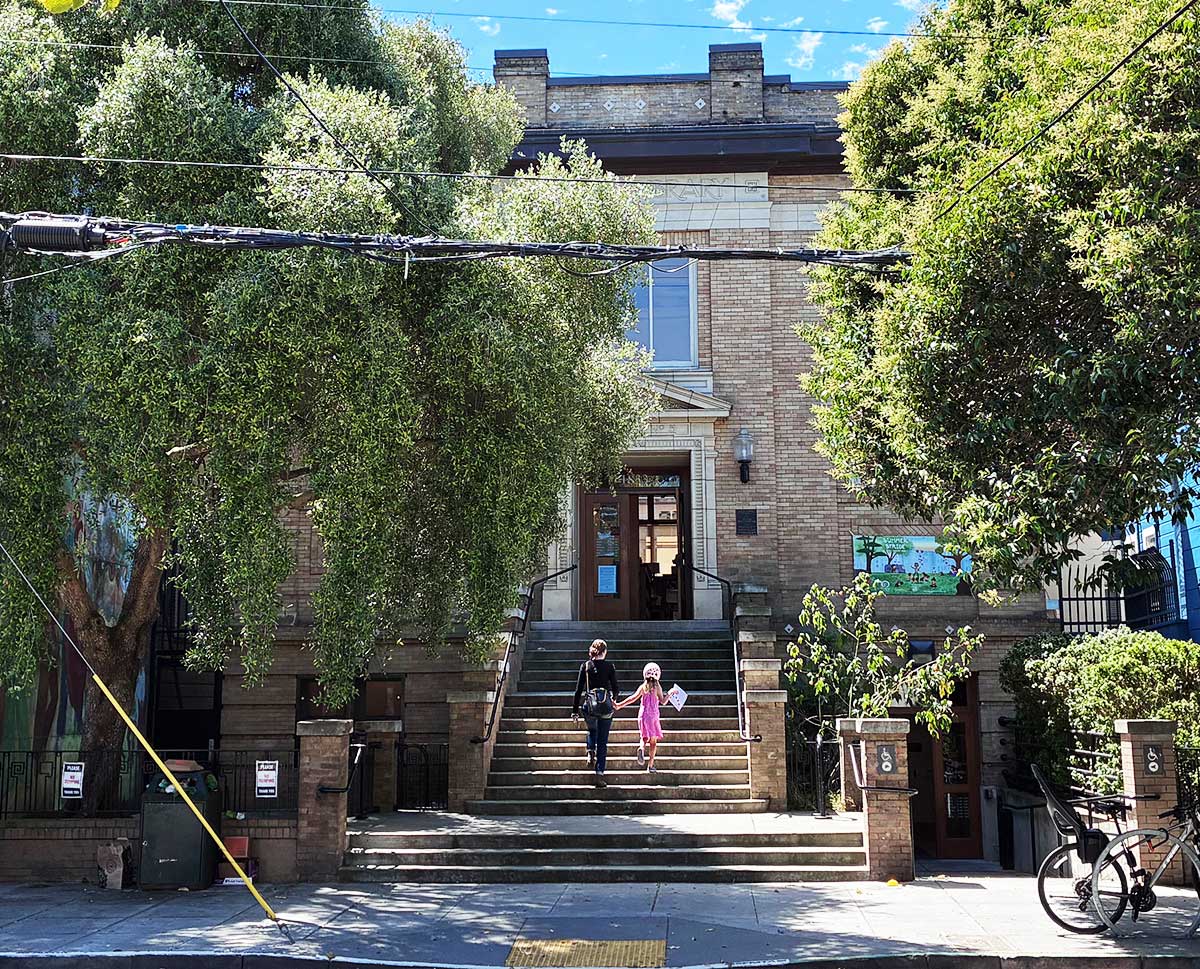
It was a nice day, so I decided on a longer walk through the park to the public library’s oldest building, the Park Branch on Page Street.
Branch Number 5
San Francisco had been trying to get some of Andrew Carnegie’s money since 1901. The steel magnate had moved into his philanthropic phase and began funding the construction of public libraries in the 1880s before shifting to giving directly to municipalities to build their own. From the 1880s to the 1910s, Carnegie was responsible for the construction of 1,681 libraries in the United States and 828 in other countries.
But the city and Carnegie had difficulty seeing eye to eye on the ask—Carnegie wanted branches, San Francisco wanted to spend most of his money on a new main library. The city roiled through a wild decade of earthquake, fire, new administrations, and corruption trials. There was local resistance to taking the millionaire’s money because of how he treated workers in making his fortune. Talks dragged on.
But in 1908, using city money and without any Carnegie agreement finalized, the board of supervisors approved expenditure for the purchase of a lot on Page Street ($7,000) and construction of a new branch library ($23,000).
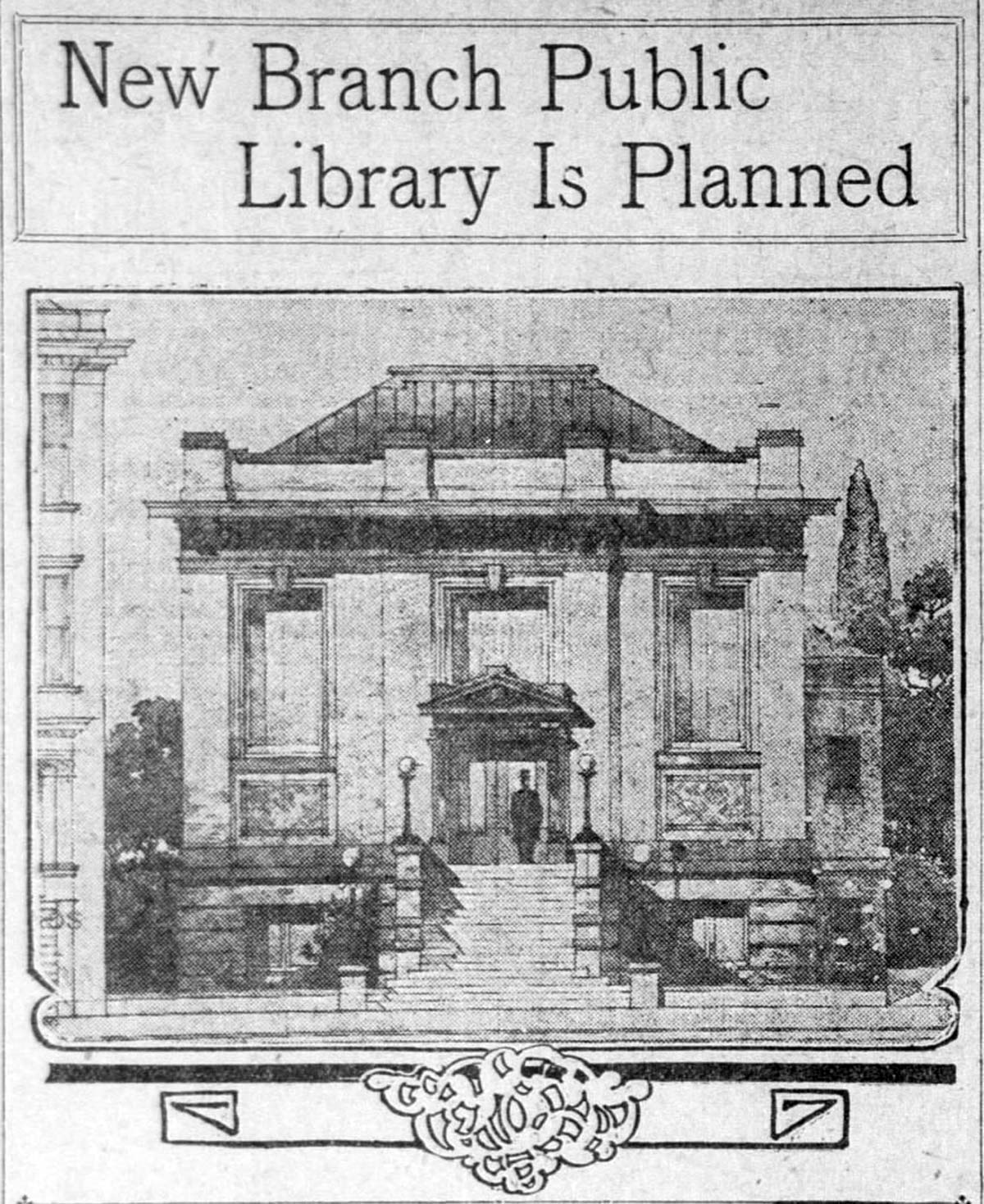
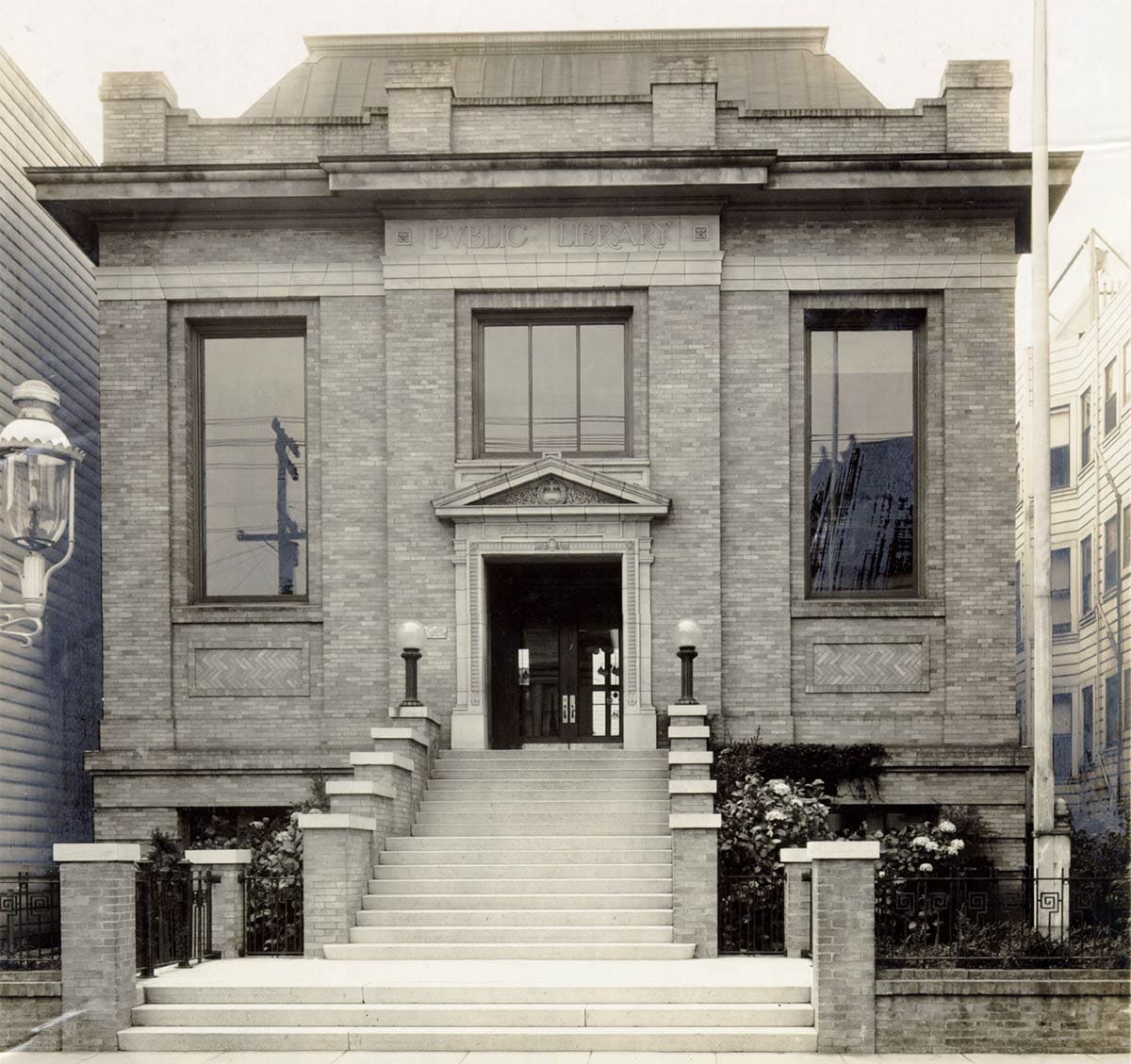
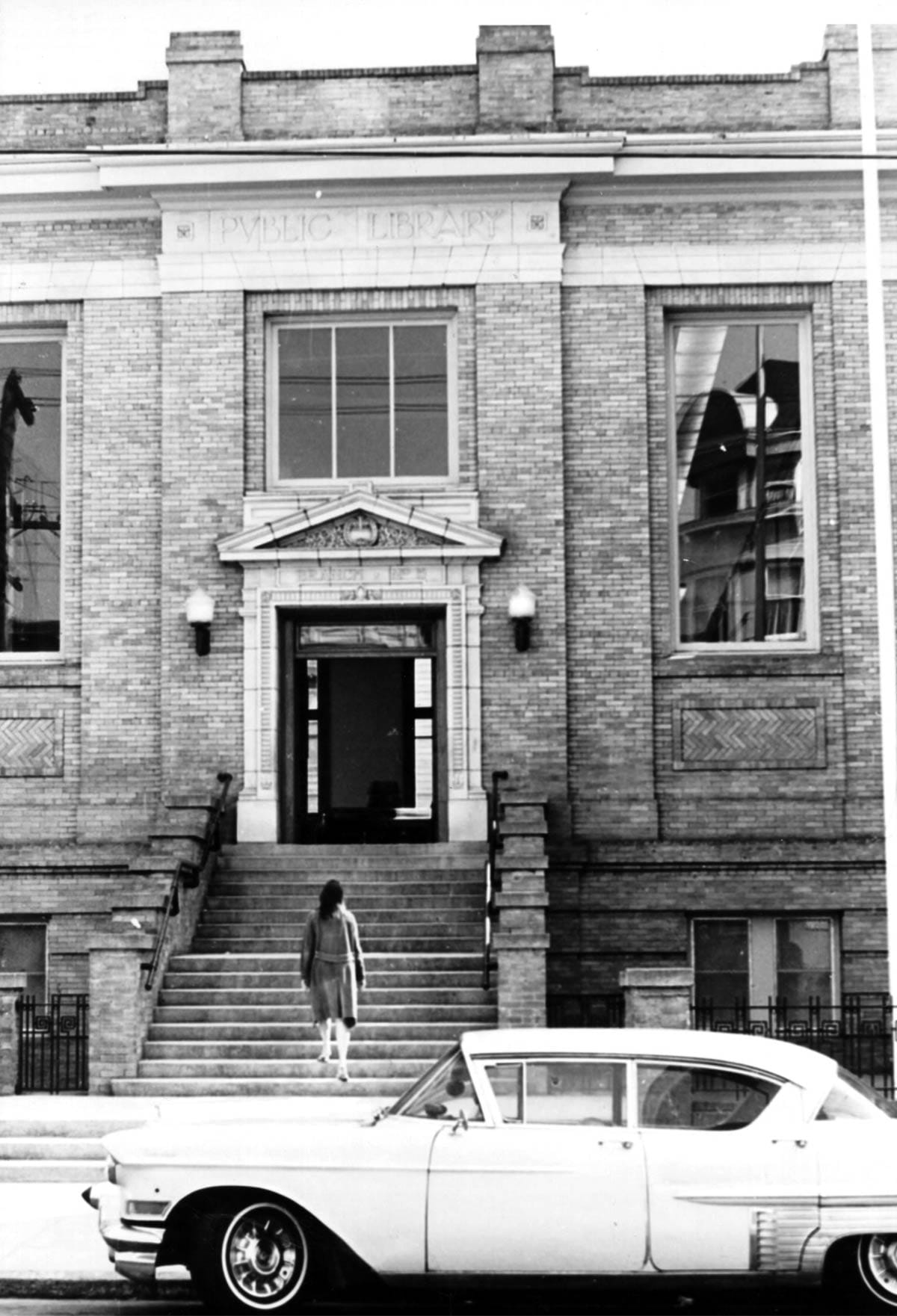
On October 29, 1909, less than a year later, “nearly every resident of the section” turned out for the opening of the romantically named Branch Library No. 5, the first branch in the city built with public funds.
The Haight and Ashbury Heights District Improvement Club presented to the library a 10-by-20-foot American flag—“an exquisite piece of work” according to the Chronicle—and a promise was made at the dedication ceremony to fly it every day as “an emblem of the good will of the citizens of the community.”
Perhaps they did before the flag pole was removed for basement access.
Carnegie’s money may not have paid for it, but the new branch was designed to get his right-hand man’s approval. Secretary James Bertram, who evaluated and administered Carnegie grant requests, was notoriously picky about the floor plans of libraries funded by his boss. In 1911, he even wrote a pamphlet, “Notes on the Erection of Library Buildings,” to express his ideal design and recommended approach. He gave not a few warnings about trying “to get a Greek temple with a $10,000 appropriation.”
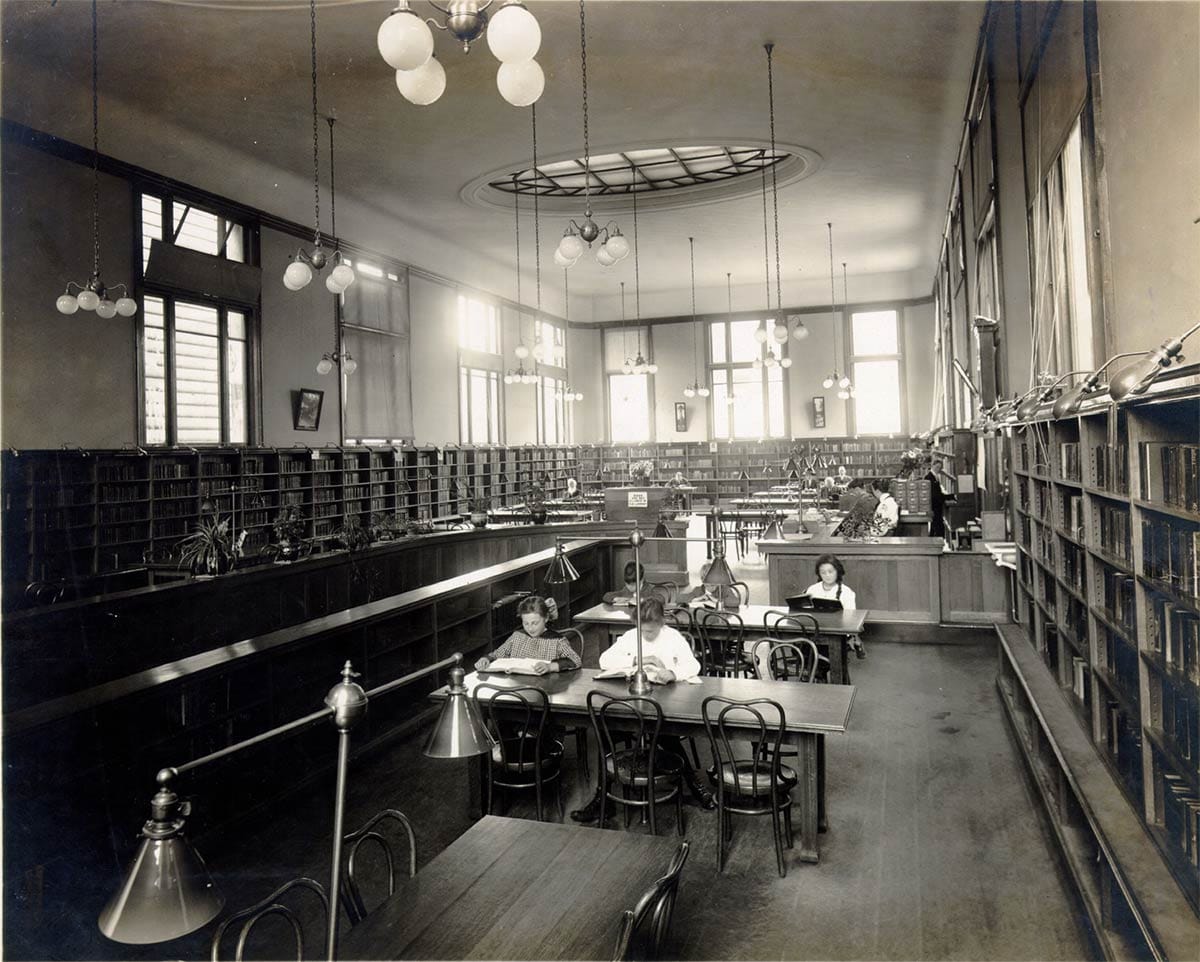
The architects, McDougall Brothers, designed the new branch at 1833 Page Street in an efficient 40-by-100 feet plan and followed some of Bertram’s tenets, which aligned with new ideas in the professionalizing field of library science: a central reception desk, high windows for light, open shelves making books easily accessible, and a sense of free flowing space in one large room.
The example may have helped break the dam for both the city and the big money they had been chasing for a decade. Five years after the Park branch’s dedication, San Francisco opened the doors of its first Carnegie-funded library, the Richmond branch at 351 9th Avenue.
Across the street from my grammar school, it was my childhood haunt and the interior was pretty much the same as the Park branch.
Temples of Answers
Despite Bertram’s warning, most Carnegie libraries do look a lot like Greek temples. San Francisco’s oldest branch libraries, Park branch and the partially Carnegie-funded buildings of Mission (1915), Noe Valley (1916), Sunset (1918), Golden Gate Valley (1918), Chinatown (1921) and Presidio (1921), draw on the same classical traditions used by banks, city halls, and places of worship.
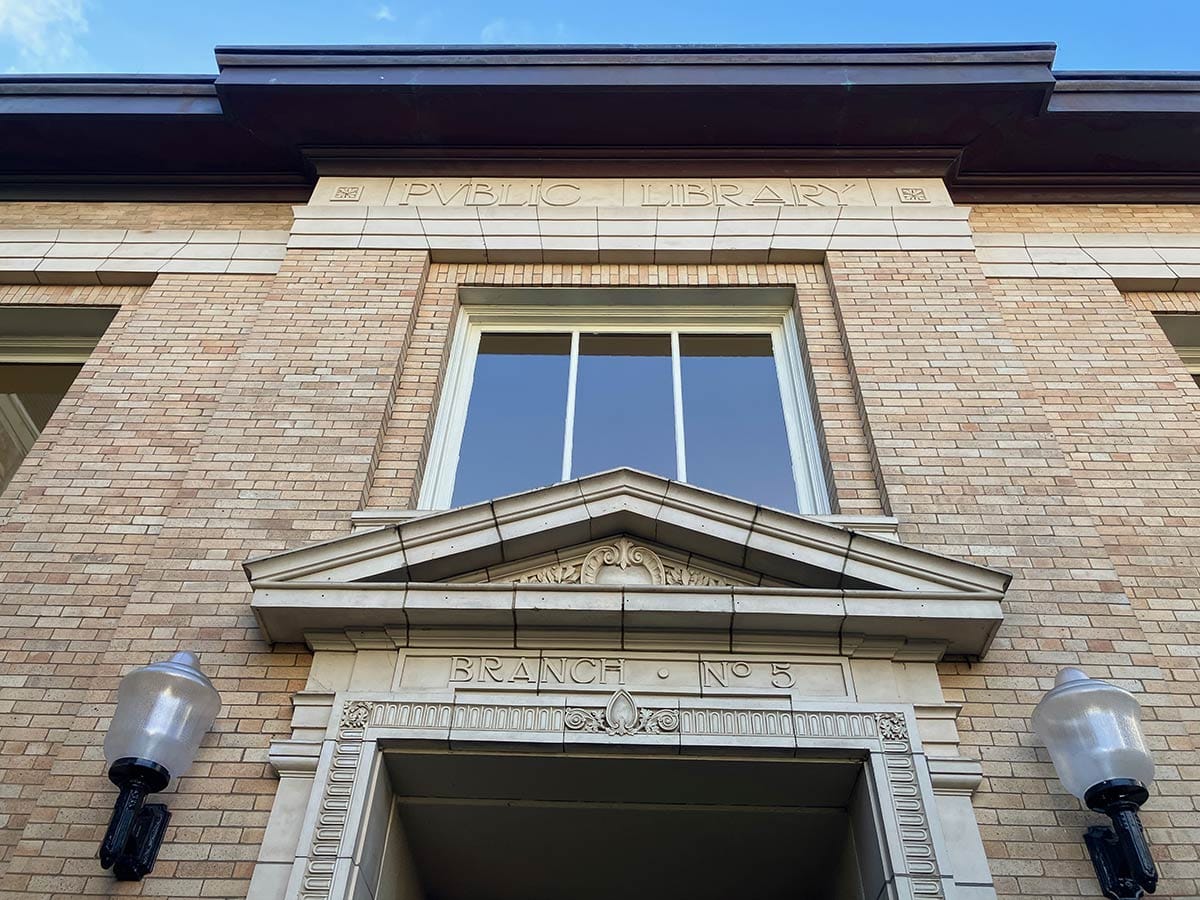
Neo-Classical architecture is meant to impress and even intimidate. A balanced design with a raised base, a main section with vertical elements drawing your eye up, and a formal cornice come together to project order, even sanctity.
The message sent by these buildings with grand entry staircases and facades of brick, marble, granite (or their imitations) is “This is a place of permanence and of power, a place in which to put your confidence, a place with authority and answers, even if I am tucked into the middle of a quiet residential block.”
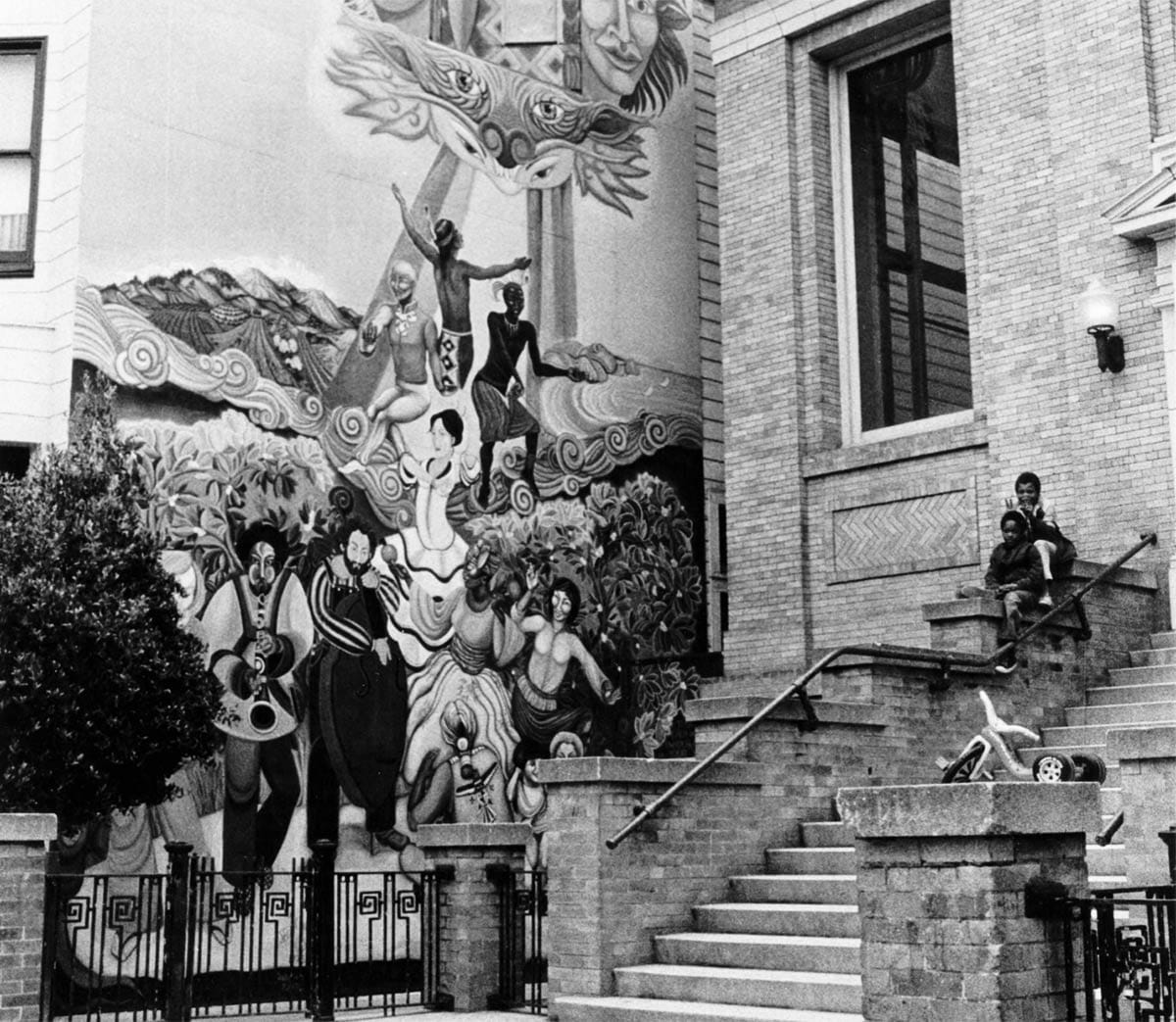
In the 1970s, when trust in institutions was at a low, a colorful people-centered mural by Ruby Newman and Selma Brown, Come Together Each in Your Own Perceiving of Yourself, was created facing the Park branch’s entry steps.
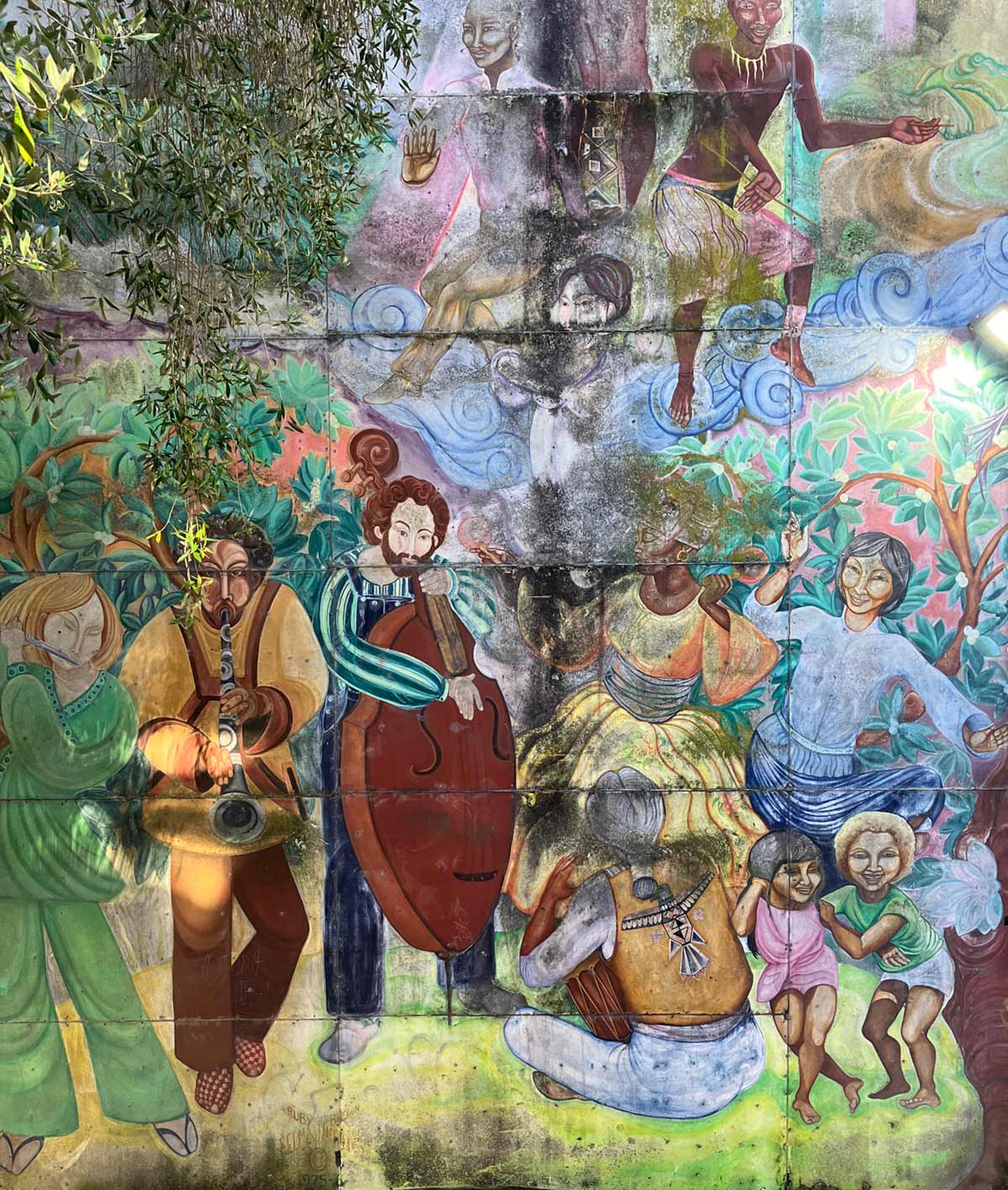
The title and the joyful grouping of diverse musicians, dancers, and eternal beings celebrating together somewhat undercut the idea of external authority. As you walk up the stairs to the temple of knowledge, the mural’s message seems to be “The answers are inside you and with your community as much as in that building.”
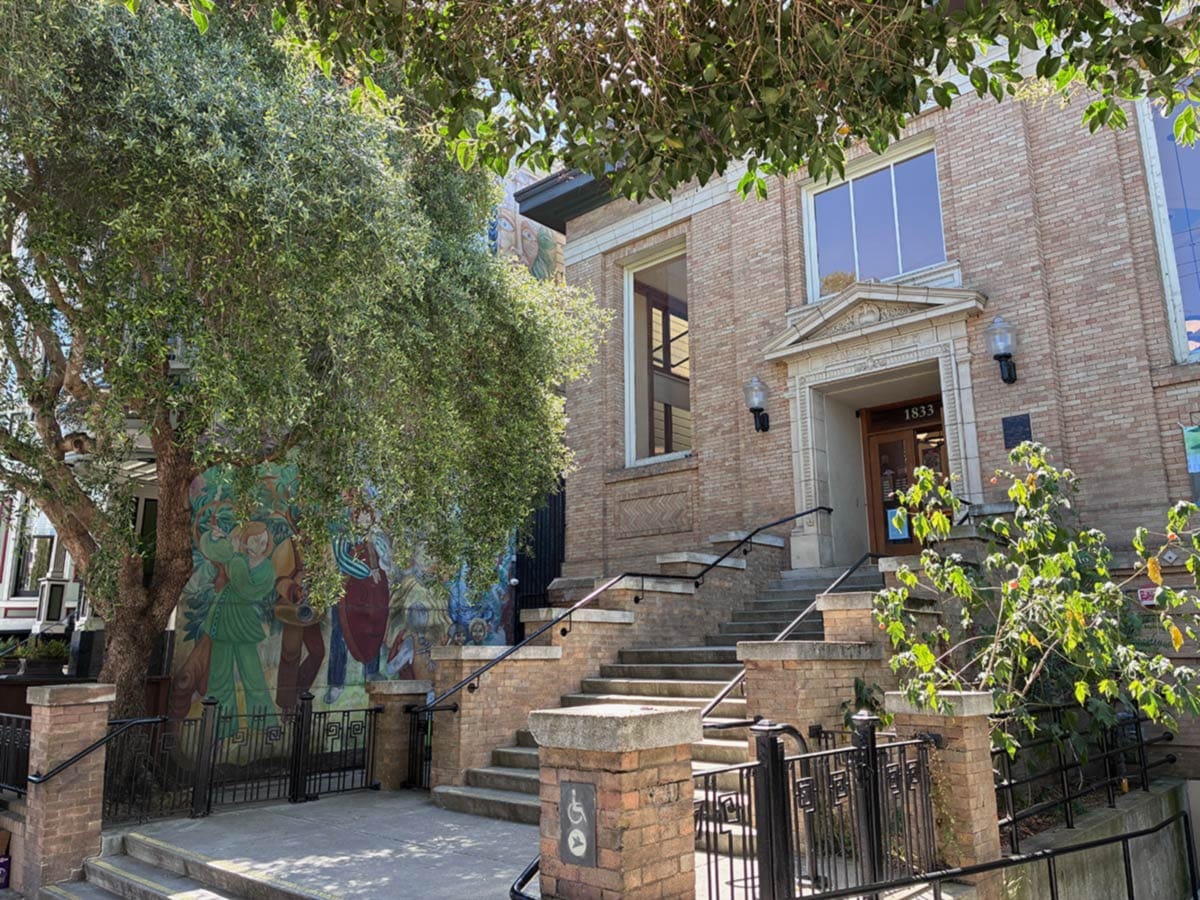
A tree now hides a good part of both the library and the fading mural.
I sit in a comfortable red chair and browse through an Edward Albee play, Three Tall Women, then a colorful little guide to “cottagecore” with a recipe for lattice-top cherry pie (“Toasted flaked almonds make an excellent garnish.”)
Two men with what appears to be all their belongings tightly stacked in a backpack and a granny shopping cart sit at separate tables; one reads, one rubs his eyes. A mother and her daughter chat with the librarian at the desk to sign up for the summer reading program. The girl, who is perhaps nine, says she is “very motivated” as she receives her free canvas book bag.
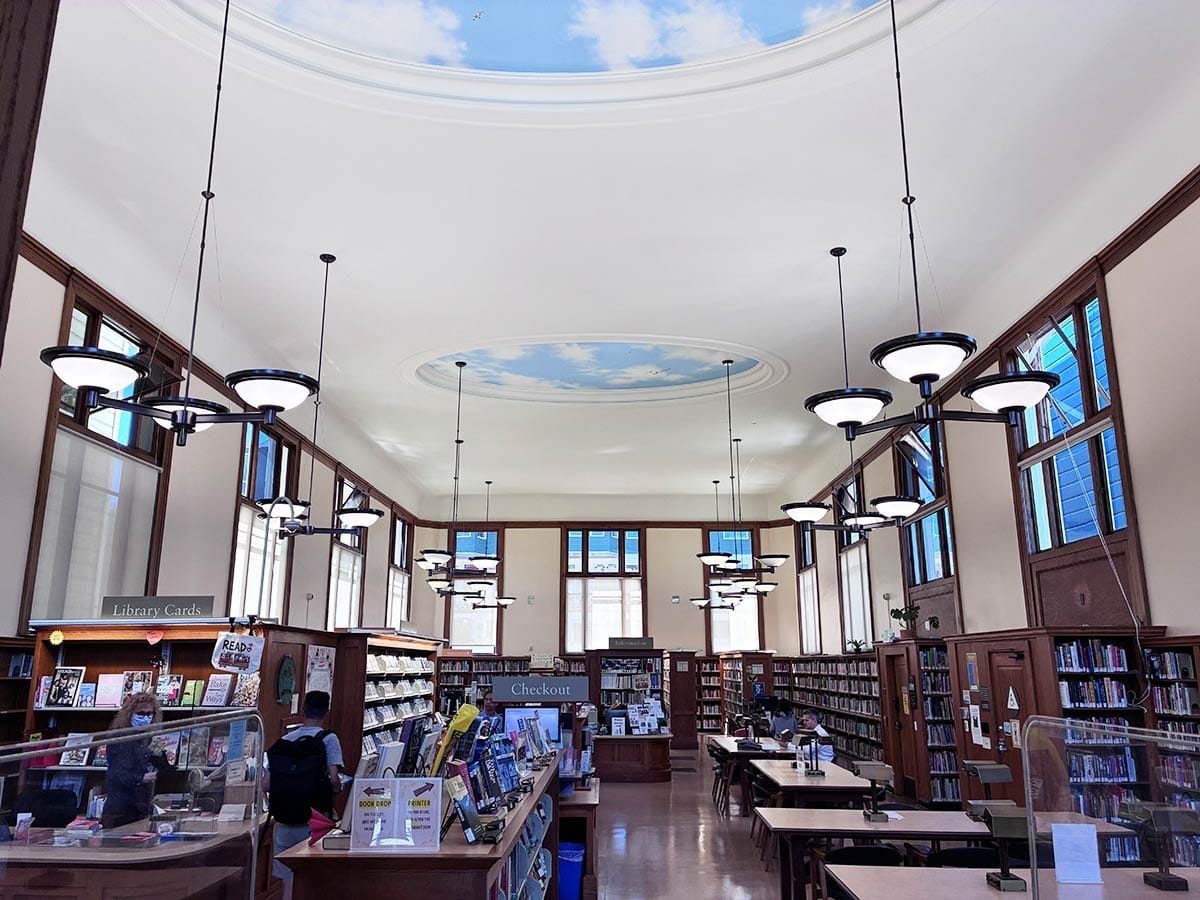
Circular skylights lost in repairs from the 1989 earthquake are now cloud murals 23 feet over my head. I lose myself for a minute in one, focusing on a trio of soaring birds. The elegant pendant lights aren’t original, but beautiful additions brought in as part of a bond-measure renovation completed in 2011.
Mostly I flip through a science book, Fundamentals: Ten Keys to Reality, by Nobel laureate Frank Wilczek. The first two chapter titles—“There’s Plenty of Space” and “There’s Plenty of Time”—inspire me to go ahead and check it out.
It’s a sunny day, so on my walk home I am escorted through the park by hundreds of bicyclists, joggers, and children skating. We pass lovers sitting in one yellow Adirondack chair, friends sunbathing on a knoll, and a tour guide who says something to his group of floppy-hatted walkers about ferns and self-propagation.
There’s plenty of space and there’s plenty of time, so I saunter.
Woody Beer and Coffee Fund
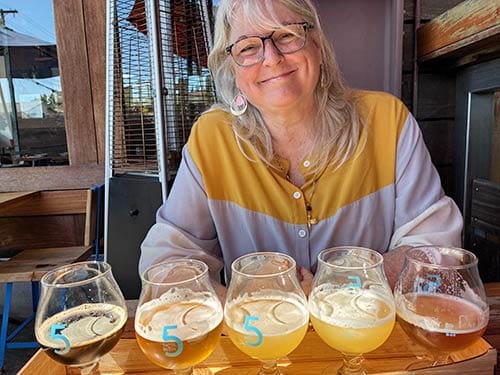
Want to talk about our shared love of the printed page over a coffee or a beer or a hot chocolate? I warn you that I am kind of a Dickensian. Good people like Brian S. (F.O.W.) and Matthew S. have already paid for your drink via the Woody Beer and Coffee Fund!
Let me know when you are free, eh?
Sources
“New Branch Public Library is Planned,” San Francisco Call, December 9, 1908, pg. 5.
“Page-Street Library Formally Dedicated,” San Francisco Chronicle, October 30, 1909, pg. 18.
“Many Attend Exercises Opening New Library,” San Francisco Bulletin, October 30, 1909, pg. 18.
Jonathan Curiel, “Know Your Street Art: Come Together Each in Your Own Perceiving of Yourself,” SF Weekly, April 20, 2016.