
Home on the Dunes
An institution finds a home in the Richmond District just before the 1906 earthquake hits.

First of two parts... haven’t done one of those in awhile...
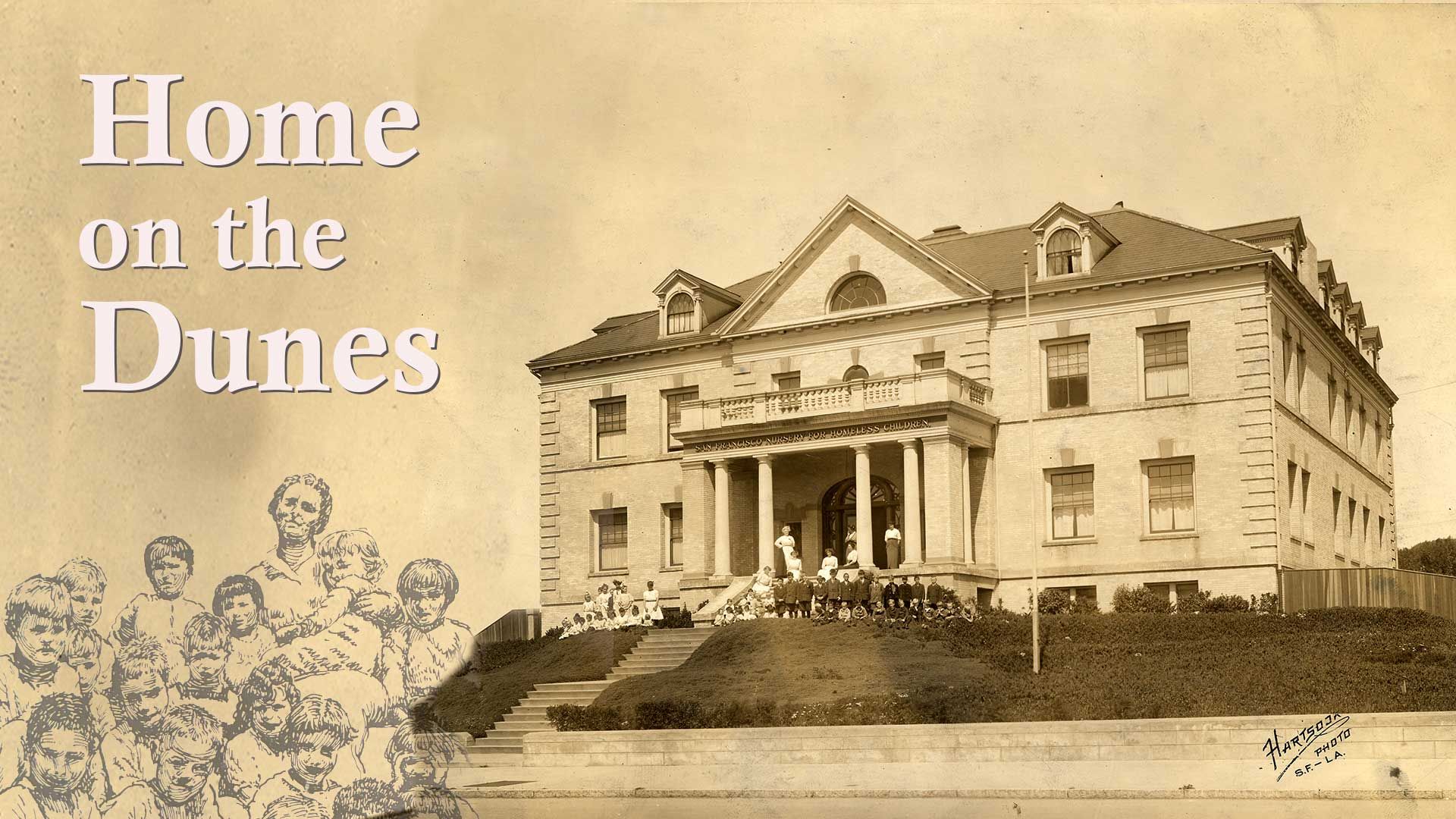
On March 24, 1892, the trustees of the San Francisco Nursery for Homeless Children incorporated as a charitable organization with a 50-year charter to fill a perceived gap: a non-sectarian home to care for young children who didn’t have one.
The Protestants operated an orphanage; the Catholics had one, as did the Jewish community. There were specific benevolent institutions for the French, the Germans, and Chinese.
The do-good-ing board of managers (all women) behind the Nursery for Homeless Children hoped to shelter kids who didn’t fall into such neat buckets and who might not even be orphaned, to “assist parents who are unable through poverty, ill health or other unpropitious circumstances to properly care for their helpless little ones.”
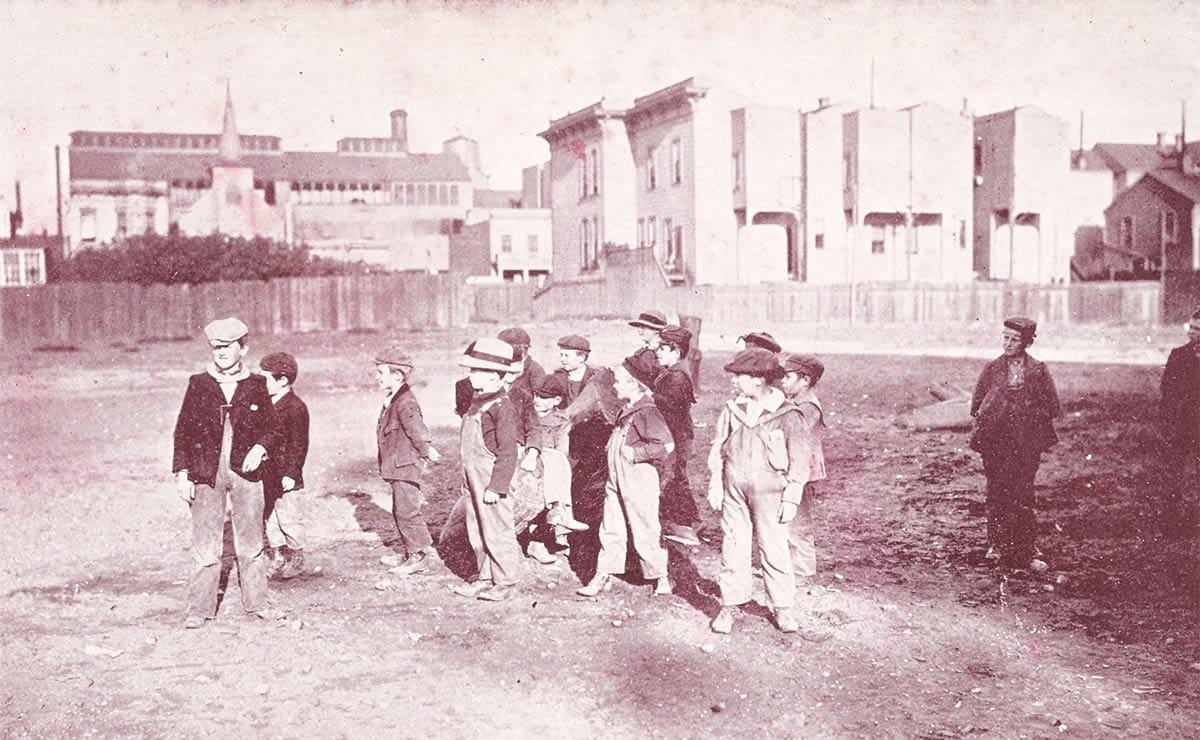
Like most 19th century institutions, a lot of moral judgement and prejudices were baked into these good intentions. Board president Mary F. McGurn summed up their goal in 1894 as “the rescue of little children from the streets, from miserable surroundings, from evil associations, and the providing of a home where while their physical and bodily wants are cared for an effort is also made to eradicate vice, and to overcome inherited tendencies.”
The main problem the organization had in its early years was finding itself a permanent home.
The need was greatest in the crowded working-class neighborhood South of Market (a story from there). The Nursery started life in an old house on Bryant Street before moving in September 1894 into a larger but still old house at 2nd and Harrison streets, which had just been vacated by an organization with a similar mission, the Maria Kip Orphanage (Episcopalian and for girls only).
Three years later, the Harrison Street house was bursting at the seams and the lady managers decided to move farther west to a former school and rectory at Mission and 12th streets.
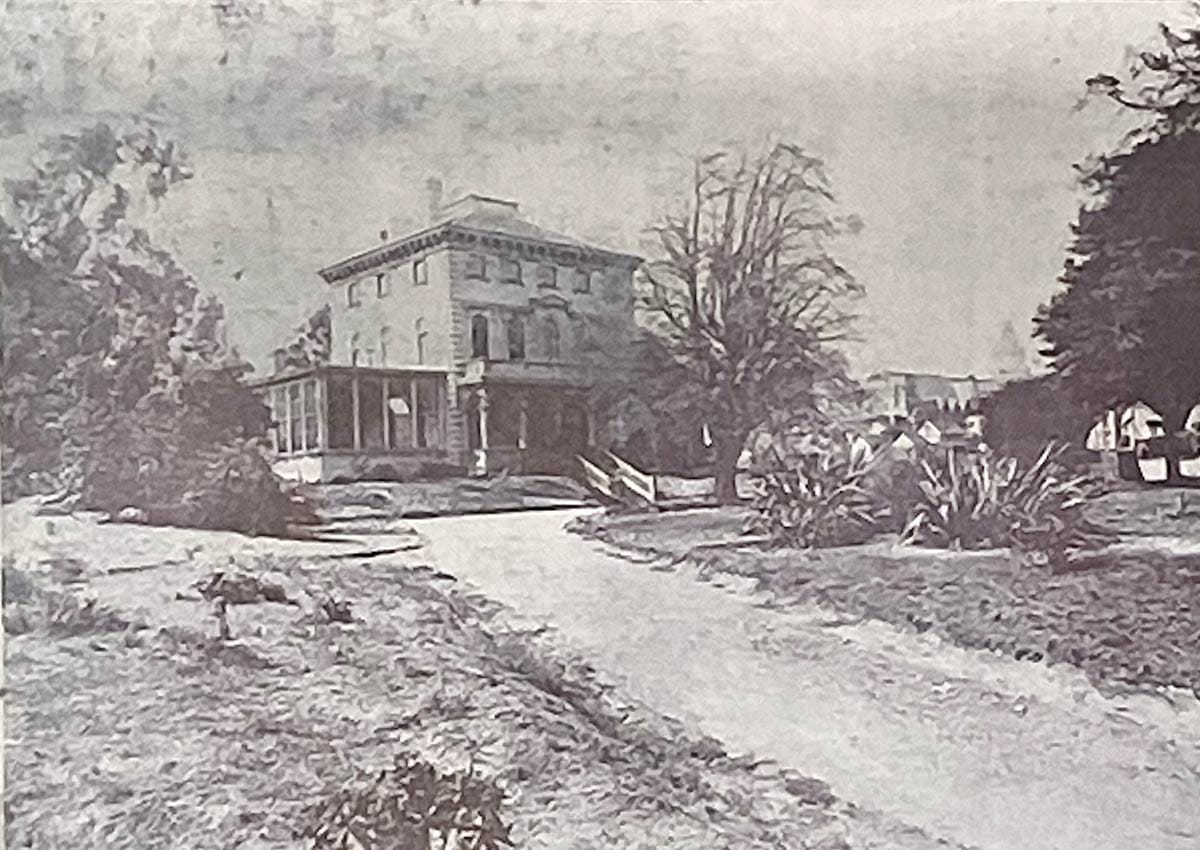
Quickly, this campus also proved inadequate. A member of the board remembered: “The roof was leaking, side boards were blowing off, floors were buckling, and the staircase was getting more and more decrepit. By 1901 it wasn’t worth even a coat of paint.”
That year, 1901, a 255-foot by 227-foot parcel in the Richmond District along Lake Street between 14th and 15th Avenues—“out there in the sand dunes”—was donated to the Nursery.
After years of fundraising and cajoled donations of time, materials, and labor, an impressive, columned edifice of sugar-white bricks and seemingly innumerable dormer windows opened in September 1905 as the Nursery’s permanent and purpose-built home.
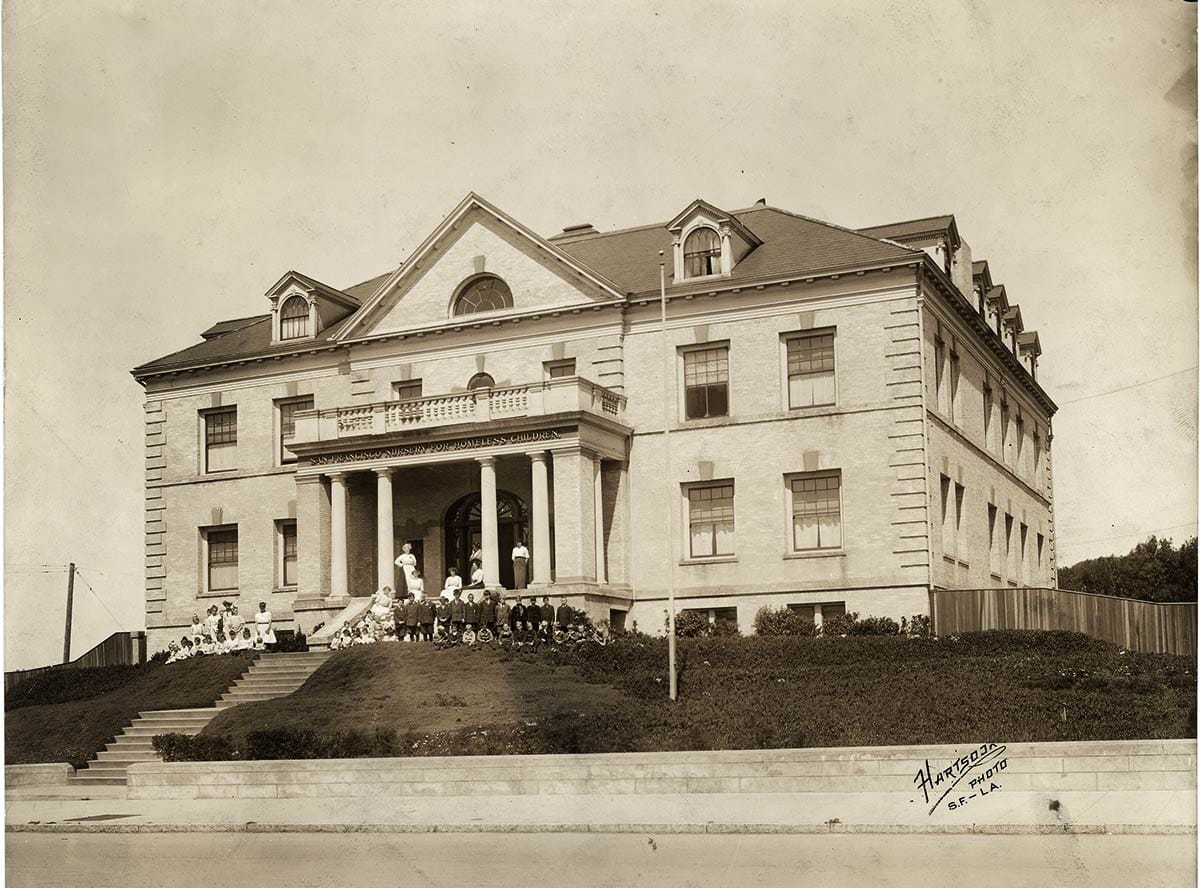
In 2026, the intersection of Lake and 14th Avenue is busy. Automobiles flowing out of the Presidio’s MacArthur tunnel use it as a loop to U-turn east or skip any congestion on six-lane Park Presidio Boulevard.
In 1905, 14th Avenue was a rutted wagon road and a massive dune stood in the boulevard’s place. A farm ran between the home’s back fence and the Presidio.
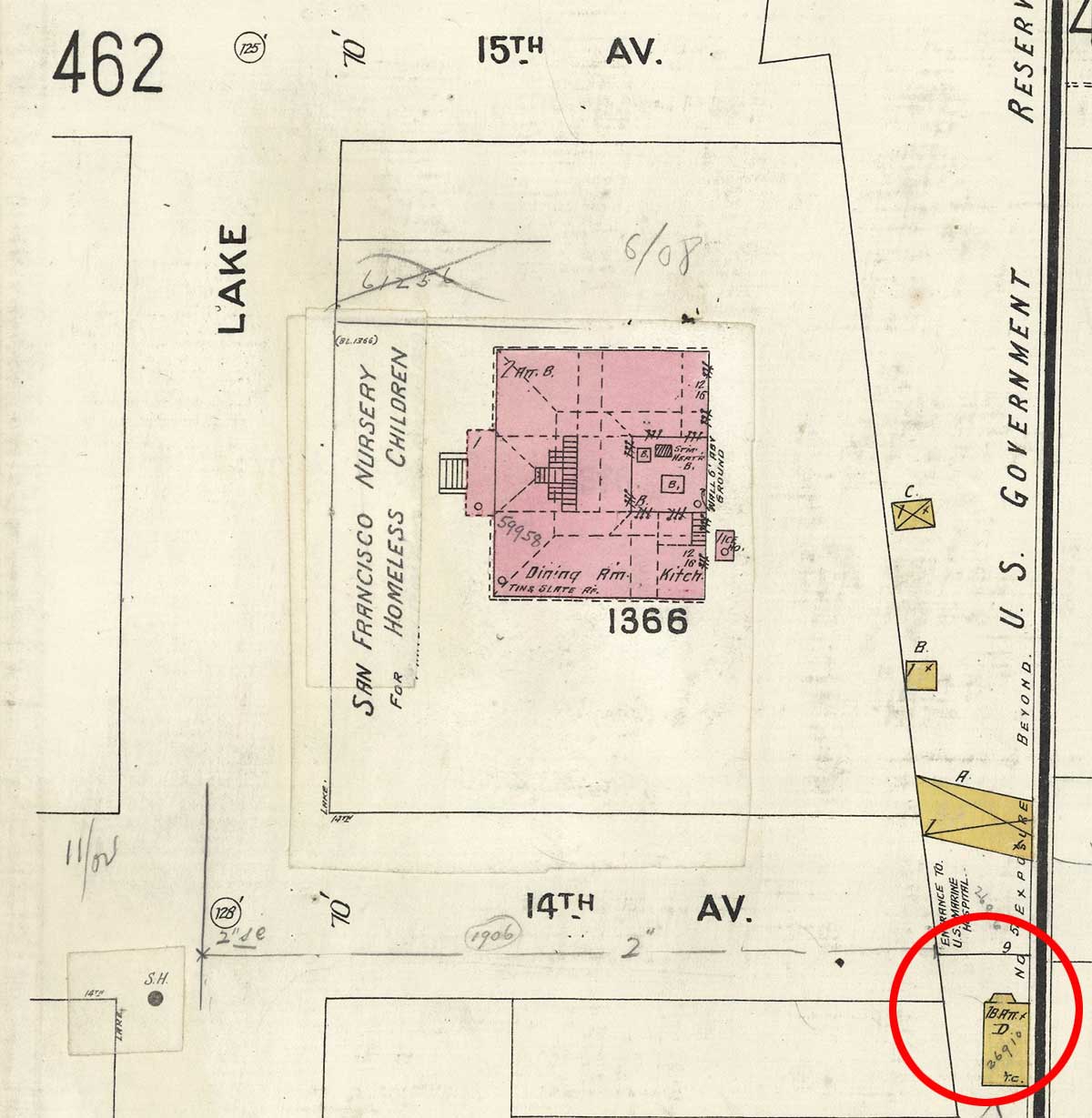
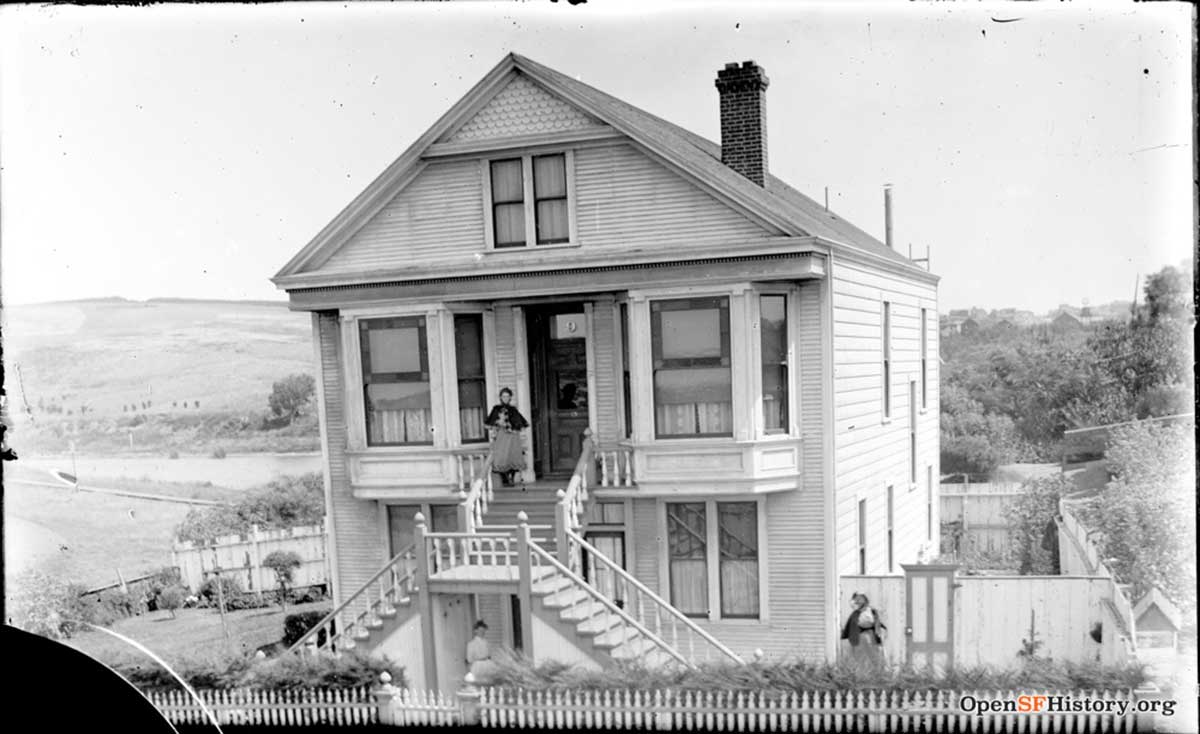
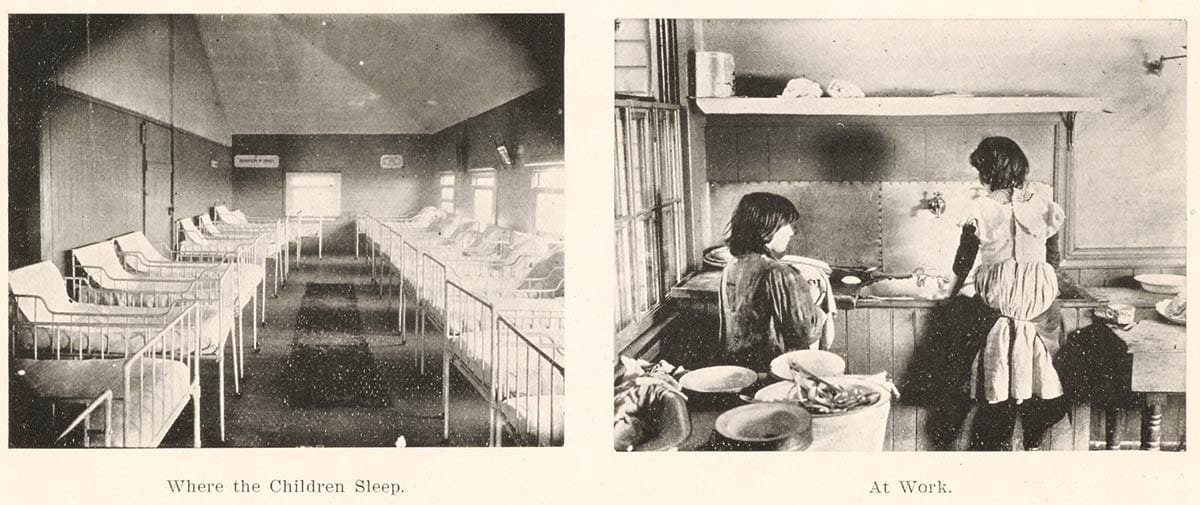
The building was divided by gender, with boys having their dormitory and play yard on the north side and girls on the south. A rail split the internal staircase to enforce this segregation.
A basement laundry worked night and day while an attic infirmary handled the occasional deadly outbreaks of measles or flu. Matron Margaret Hubbert, managed the facility assisted by a laundress, a cook, a janitor (the only male employee), and “nurses” who filled shifts supervising the boys, girls, and the infants/toddlers in their separate spheres.
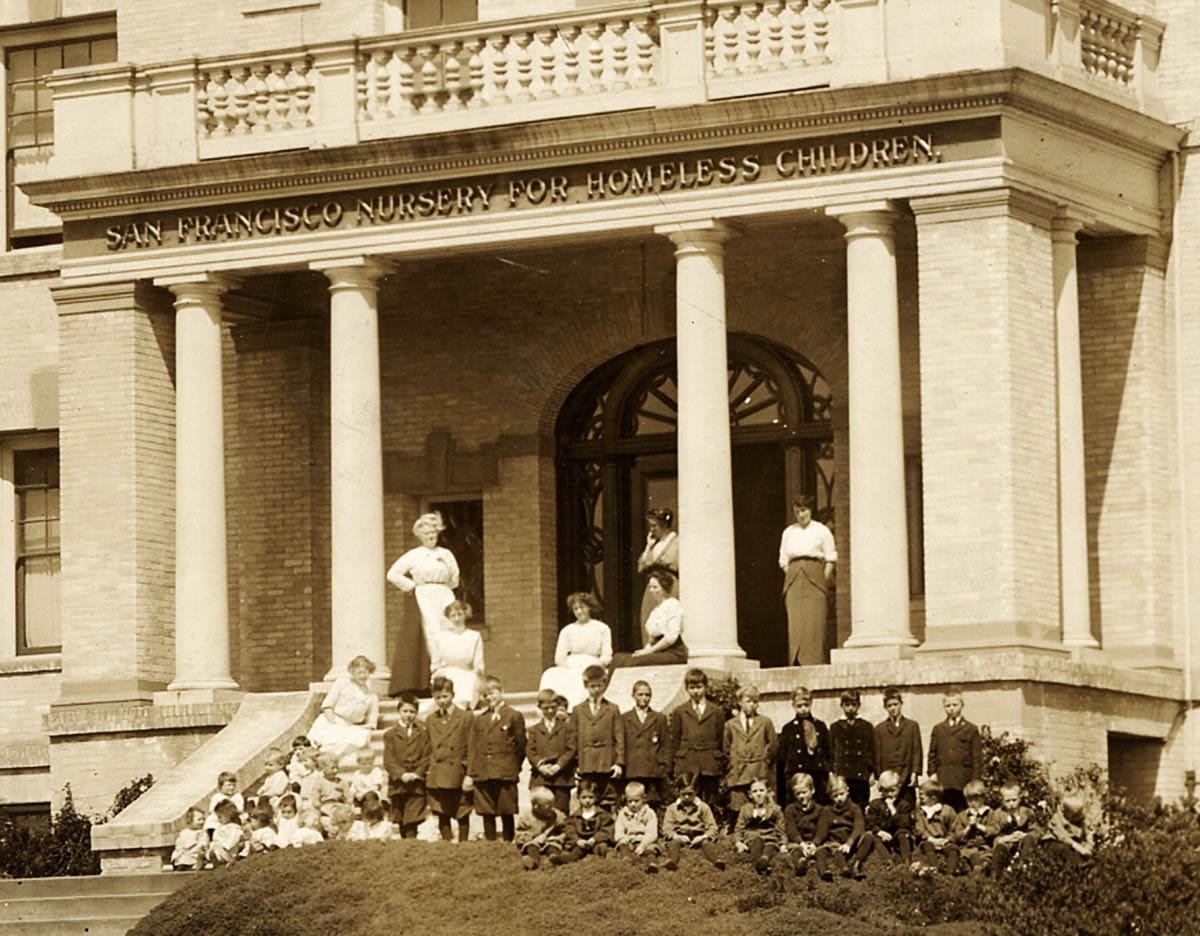
The number of wards in residence ranged between 50 and 70 at a time.
There were 59 sleeping inside on the early morning of April 18, 1906. Just seven months after the grand building’s opening reception, the impressive work of architects Meyer & O’Brien was put to the test.
A little after 5:00 a.m., the cook, Miss Bella McDonald, descended from her room in the attic to start her work in the kitchen on the first floor. She carried a candle as she approached the swinging door from dining room to kitchen.
She told her memories of the morning to one of the former residents years later. He related in a book how the very instant she swung open the door, “a blast blew out the candle. The floor jumped sideways underfoot and thrust her harshly against the post, and the place was alive with fierce thuds, crackles and rumbles.
“A dim illumination came in, but only later did the cook learn that the whole far wall of the house had run down in a ruin of chunks toppling the silo-like fire escape or that while she was cowering there, the ceiling had come drumming down on stove top and floor. She turned and groped her way through the rain of plaster, felt along the head table till she found the good old school bell, rang it for dear life, and cried, ‘EARTHQUAKE, EARTHQUAKE, ALL OUT!’”
After being shaken awake and attending to the disorder of his own house on Clay Street, Guy E. Manning, M.D., the home’s visiting physician, hurried out to the dunes expecting the worst at the Nursery.
“With bricks falling by the hundreds, the plaster dropping in masses upon beds and in rooms and hall-ways, the rear ends of both wings pulled out exposing the rooms to the elements, the whole building wrenched and torn asunder, what might be expected but injuries and death.”
But that wasn’t what he found.
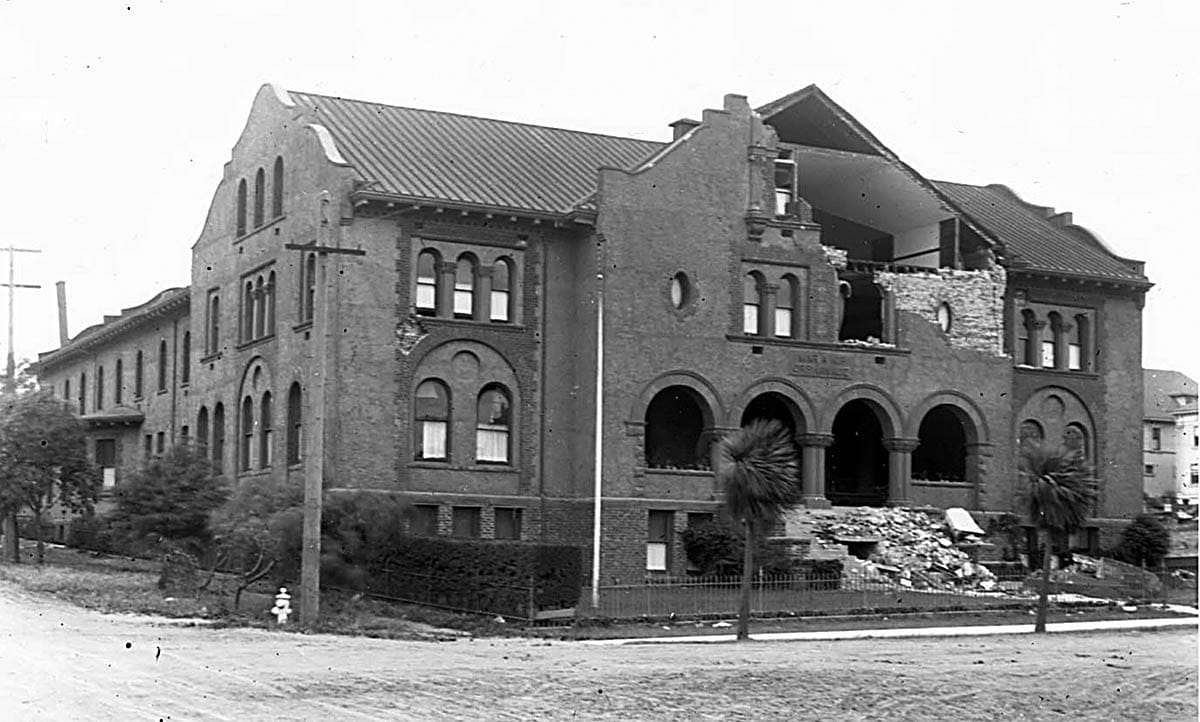
Margaret Hubbert had had to escape through her second-floor window onto the roof of the front portico because her door had jammed in its frame. The janitor brought a ladder and once the feet of the night-gowned head of operations touched ground she set everyone to work.
The older children were herded with clothes to the open sand-dune yard while she ran back inside to the babies’ room where the children “were screaming. The roll of the earthquake had huddled the little iron beds on long legs and casters together with their passengers in a knot. Plaster was on the pillows, plaster on the floor, plaster everywhere hanging in tatters and sheets from the ceiling, and still coming down.”
Worried about another shake rattling the building down, Mrs. Hubbert quickly had the babies and toddlers handed out a side window to the janitor who laid them in a row on the sand.
Blankets, food, carpets and more clothes were pulled out by the adults in rushed forays into the sugar-white building. When Dr. Manning arrived on the scene, he was shocked and relieved to “find not a single one injured but all camped out in the yard happy in their escape.”
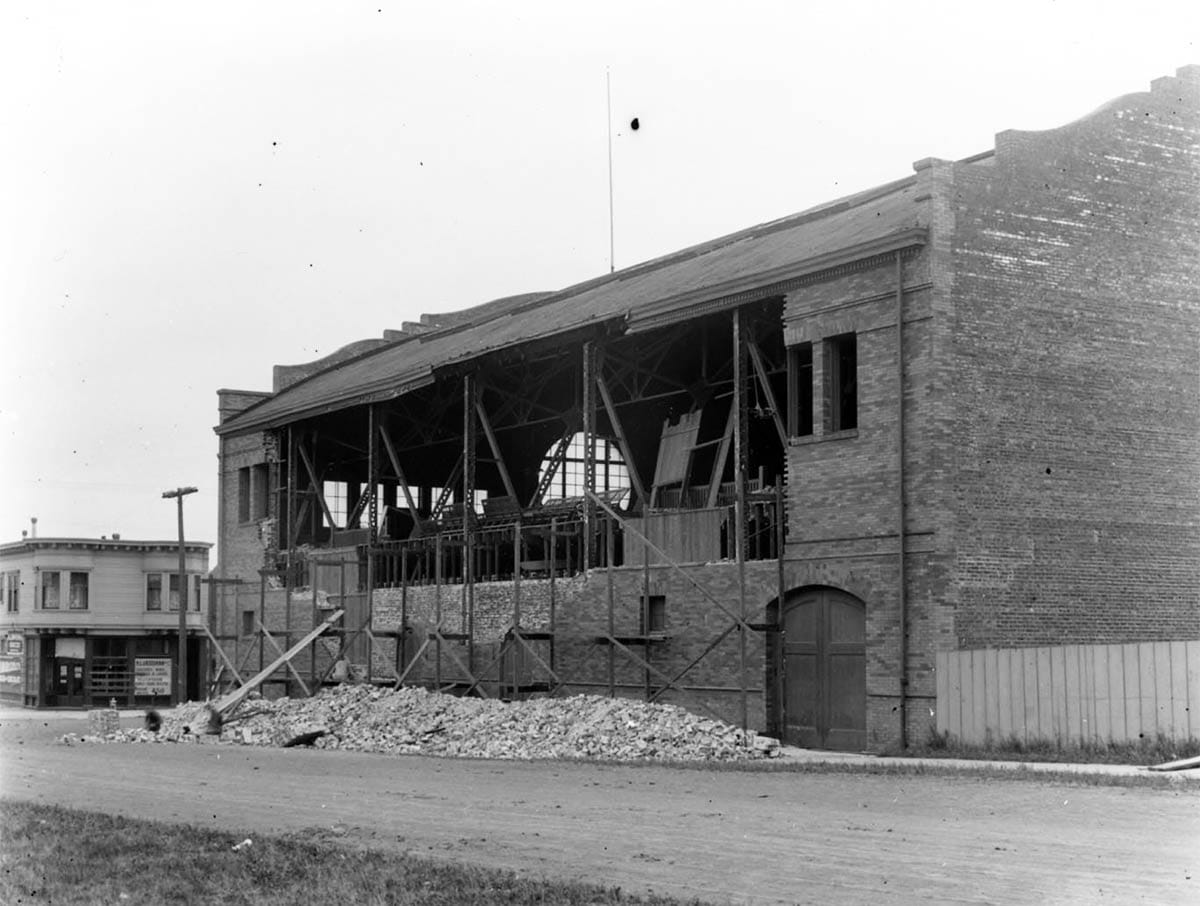
For twelve days, the household camped in tents on the sand dunes. It was only then that the Sacramento Children’s Home agreed to take in the once-more homeless children. New “earthquake babies,” their parents lost or suddenly unable to care for them, were added to the rolls and sent to the Central Valley via ferry and train.
The Board of Managers was able to solicit contributions from the Rockefellers, Gettys, Hotalings, and Horstman Estate. A major gift of $5,000 came in from the Relief Corporation set up to receive and distribute donations pouring in from around the world.
The home on the dunes was repaired and the children returned from Sacramento in November 1906.
One of the little ones who had been handed out of the window and laid on the sand on the morning of April 18, 1906 was three-year-old Albert Wilson.
It was one of his earliest memories. He would make many more at the San Francisco Nursery for Homeless Children over the next decade.
See you next week with part two!
Woody Talking Next Week
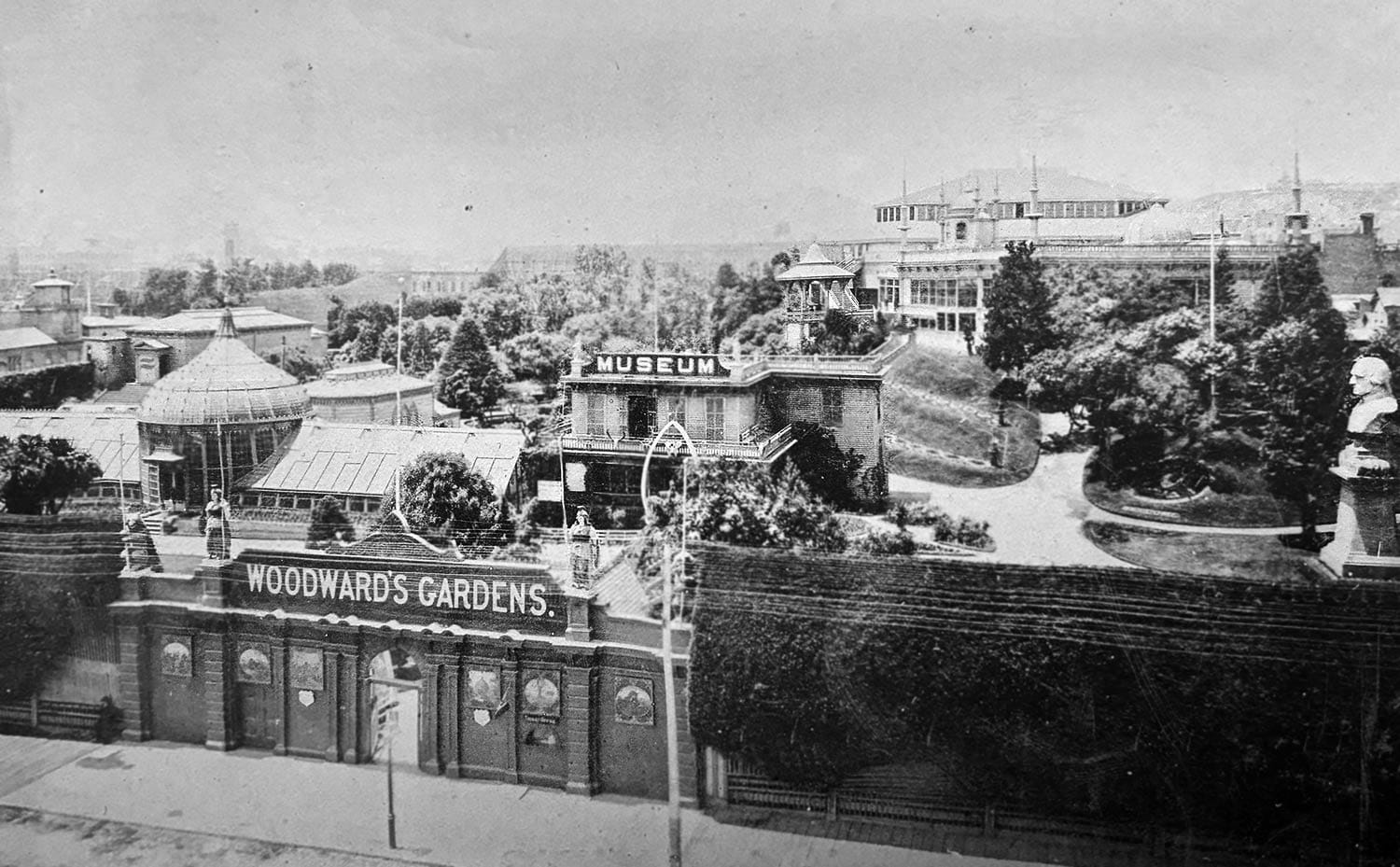
I will be visiting my friends at the San Francisco History Association on Tuesday to give a show about Woodward’s Gardens, the amusement zone which enlivened the Mission District from the 1860s to the 1890s.
What was there? Who was there? Where did all the stuff go? All questions will be answered and a lot of old images dissected. See you at 2266 California Street (at Webster) at 7:00 p.m. on Tuesday, October 27, 2026. If you are a member the show is free (and they Zoom it for members too). If you are not, it’s $10 admission.
More info on the San Francisco History Association website.
Woody Beer and Coffee Fund

The Board of Managers of the Woody Beer and Coffee Fund meets regularly to assess the fund balance, review the mission, and audit the activities integral to a chartered organization made up entirely in one man’s head. The annual report is overdue, but preliminary data from the various committees reveal that Woody has been buying drinks for those who show up and has entered into numerous lively and educational conversations.
So if you have time, I’d like to buy you a drink—coffee, tea, beer, whatever—from the fund and we can talk about responsible nonprofit governance... or the 49ers... or the taste of Tang from our childhood... (Yikes, they still make it!)
Sources
Fifth Annual Report of the San Francisco Nursery for Homeless Children for the Year 1894.
Seventeenth Annual Report of the San Francisco Nursery for Homeless Children for the Year 1906.
Nineteenth Annual Report of the San Francisco Nursery for Homeless Children for the Year 1908.
Albert Wilson, These Were The Children (Menlo Park, CA: Albert Wilson Publishing Co., 1963).