
The Privileged
Albert Wilson grows up in and out of a Richmond District orphanage.

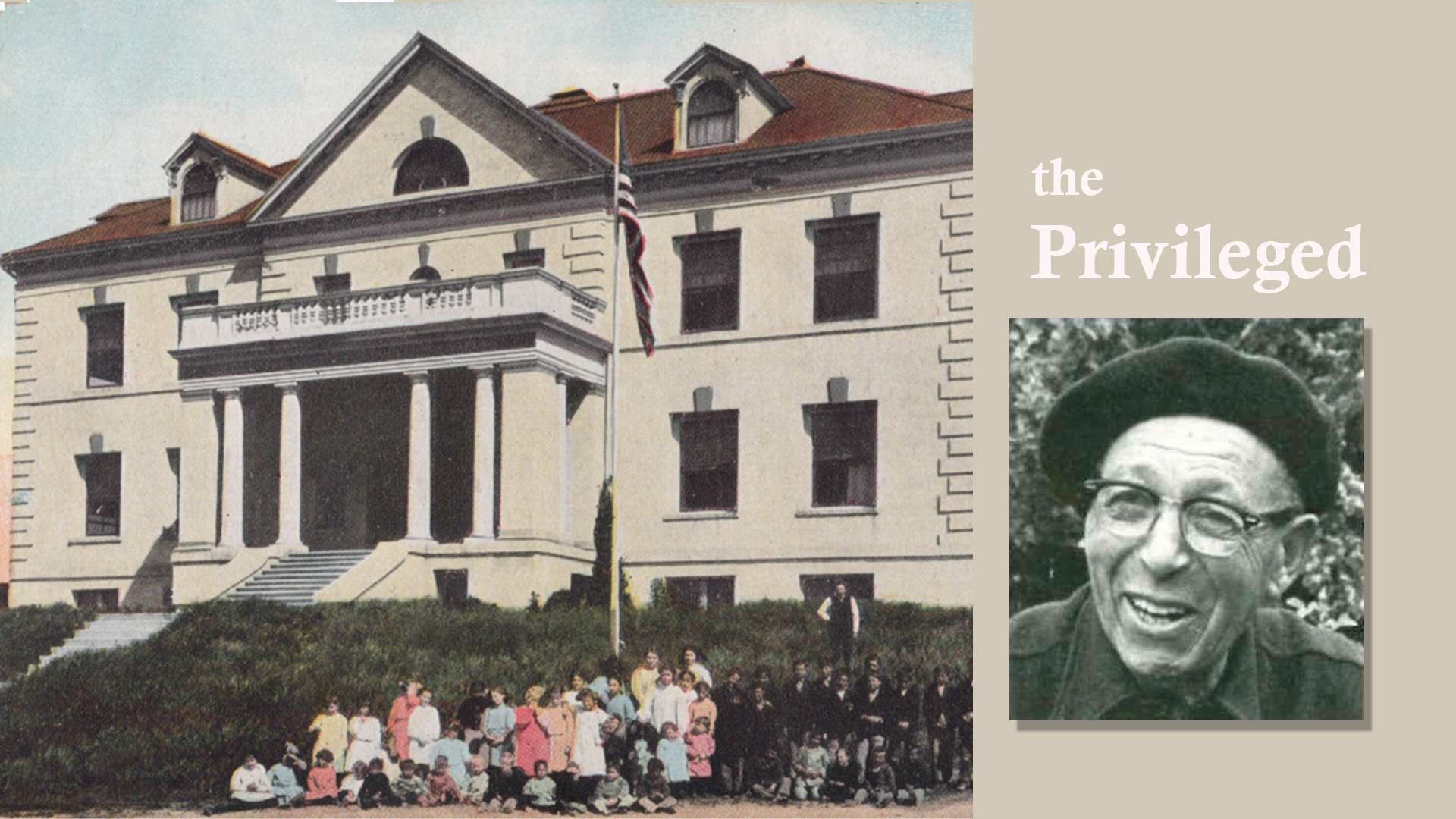
Albert Wilson was a well-known local radio and television personality in San Francisco after World War II. He had a master’s degree from Stanford and, with cheerful enthusiasm, gave tips to a growing population of suburban homeowners on nurturing a healthy and beautiful garden.
When people found out he grew up in the San Francisco Nursery for Homeless Children in the Richmond District, some would invariably ask him how it felt to be “Oliver Twist himself.”
His answer usually shocked his interlocutors. The disadvantaged, he said, “were our schoolmates who lived at home. We were the privileged!”
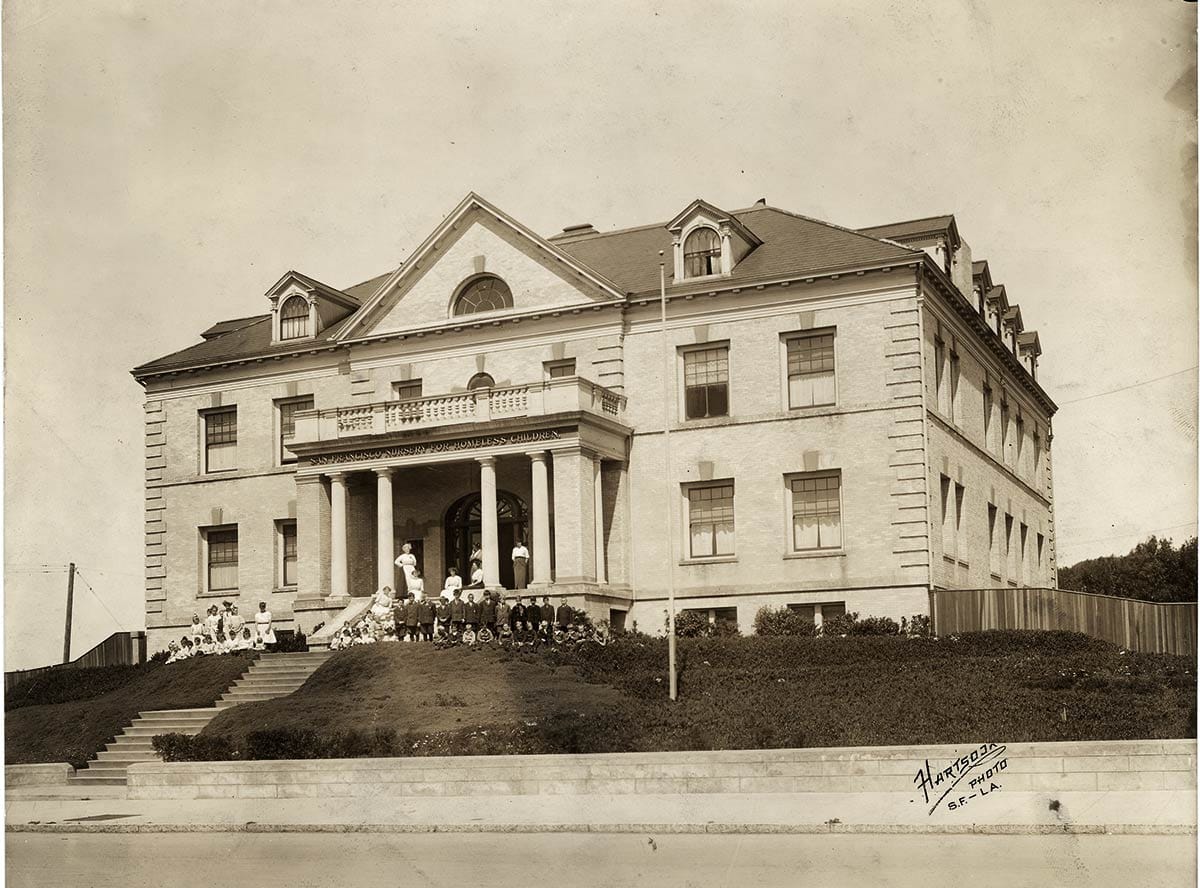
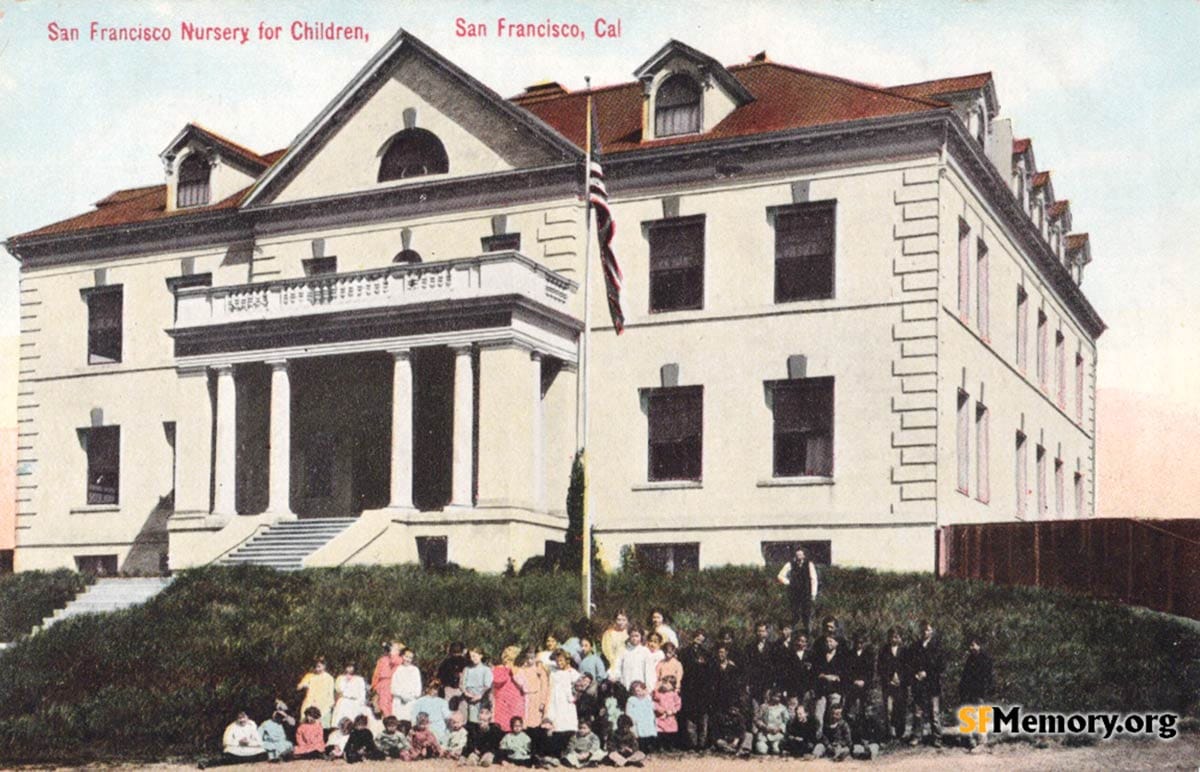
In 1963, Wilson wrote a book about the 13 years he lived at the big white house on Lake Street between 14th and 15th avenues, an institution which had been set on a sand dune alongside the southern border of the Presidio of San Francisco in 1905.
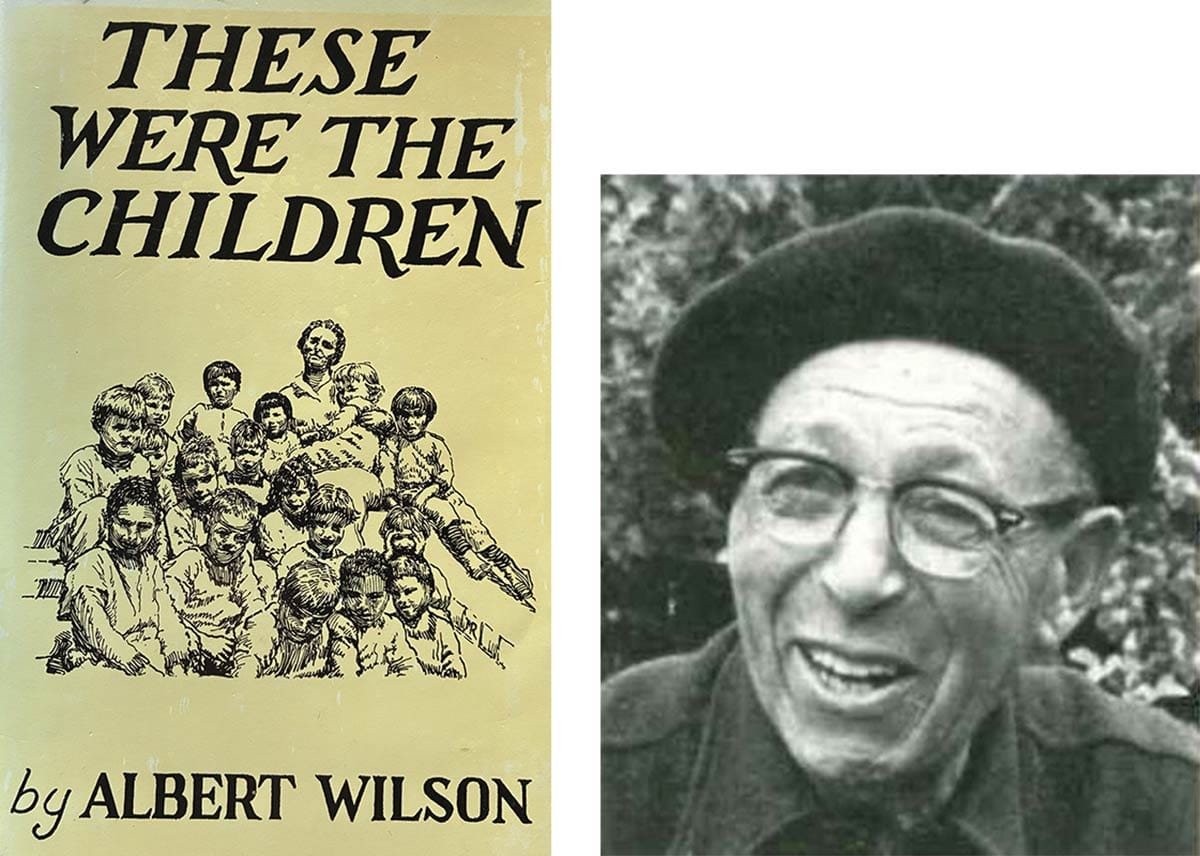
In These Were the Children, the author remembers growing up with his unusual and large “family” of dozens of children and a rotating cast of nurses, cooks, janitors, and head matrons across the first two decades of the 20th century. His earliest memory was being handed out of a window as a three-year-old after the April 18, 1906 earthquake. (The damaged Nursery lost its back brick walls during the temblor.)
Throughout the book, Wilson keeps an optimistic and almost celebratory tone, but he is honest and direct about bad times, which actually do read like scenes from Charles Dickens’ novel.
He was put to work in early mornings and late nights darning socks, polishing staircases, peeling potatoes and scrubbing pots and pans. He was called names by cruel matrons. When he expressed a wish to go to college, he was told he would only ever be good enough to clean spittoons. He was slapped, cuffed, and yanked out of a shower naked to be beaten by a deranged supervisor.
But like the character of Oliver Twist, Albert Wilson was resilient, good-hearted, and determined to make the best of his life. He was keenly aware of what he had.
“[The Nursery] literally preserved our lives. The City had been especially hard on us—we were lost—we had no function. And so we were rescued and taken six miles away to live in abounding health on the sand dunes where we faced directly away from the slums from which most of us had come.”
After the 1906 earthquake a refugee camp of temporary cottages was established just to the east and south of the Nursery.
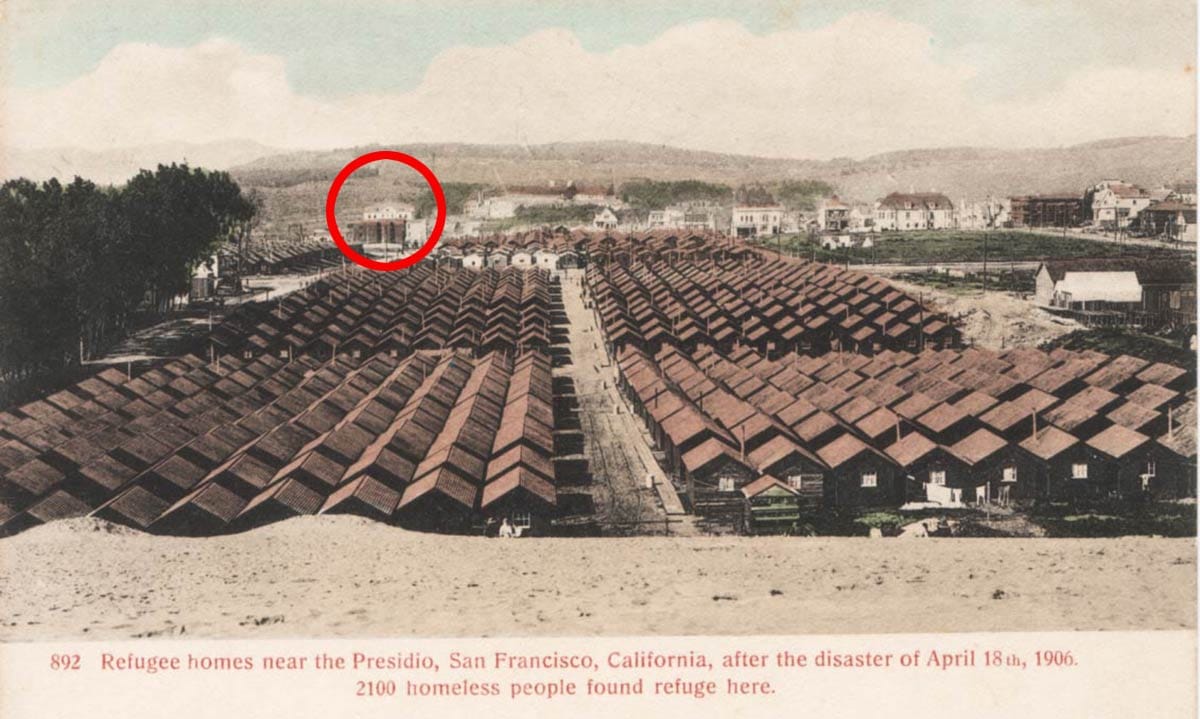
“Young families, rich in children, swarmed the dunes around these shacks. [...] We looked down on their roofs and at the children gazing in our direction. We were as curious about them as they were about us.”
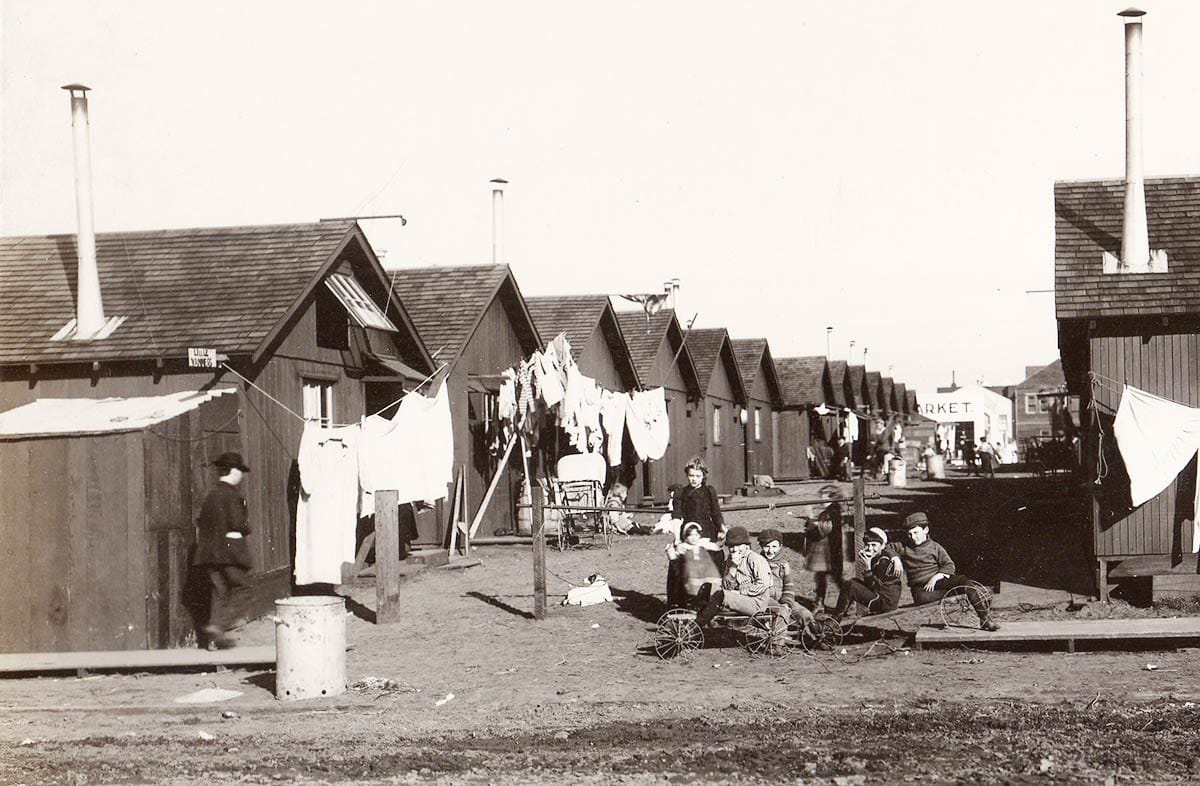
“One day about a year later, I heard a yell: ‘They are taking Freddy’s house away.’ I climbed the fence of our yard, and saw a great low-wheeled platform wagon alongside the shack. Shouting men pulled the whole shack aboard with ropes. Then the two big horses, at the crack of the whip, with no effort at all, tramped down the street. Freddy and his mother were inside all the time, waving and calling goodbye to us at the open window.”

Residents at the Nursery had plenty of chores, but Wilson’s fonder memories of recreation also seem like hard work. One of the better nurses occasionally woke the boys pre-dawn for two-hour-hikes across the dunes to Lands End to watch the sunrise. Then marched them all back for breakfast.
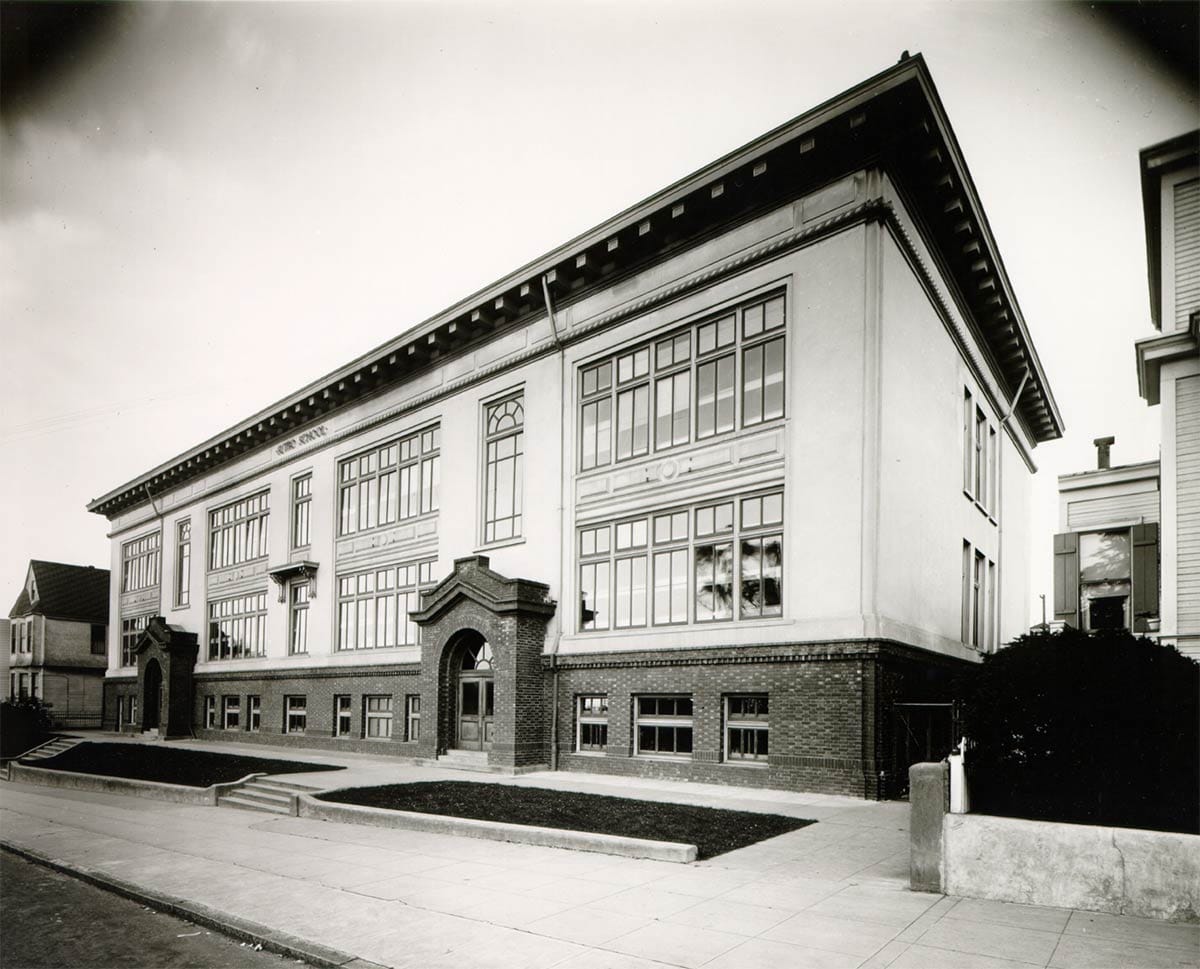
All of the children attended Sutro School just a couple of blocks away at 12th Avenue, walking in file to and fro each morning, each lunch time, and after each school day. The teachers were kind, and because of the stateliness of the orphanage building, the largest in the neighborhood, the other children seemed to think the Nursery kids were wealthy.
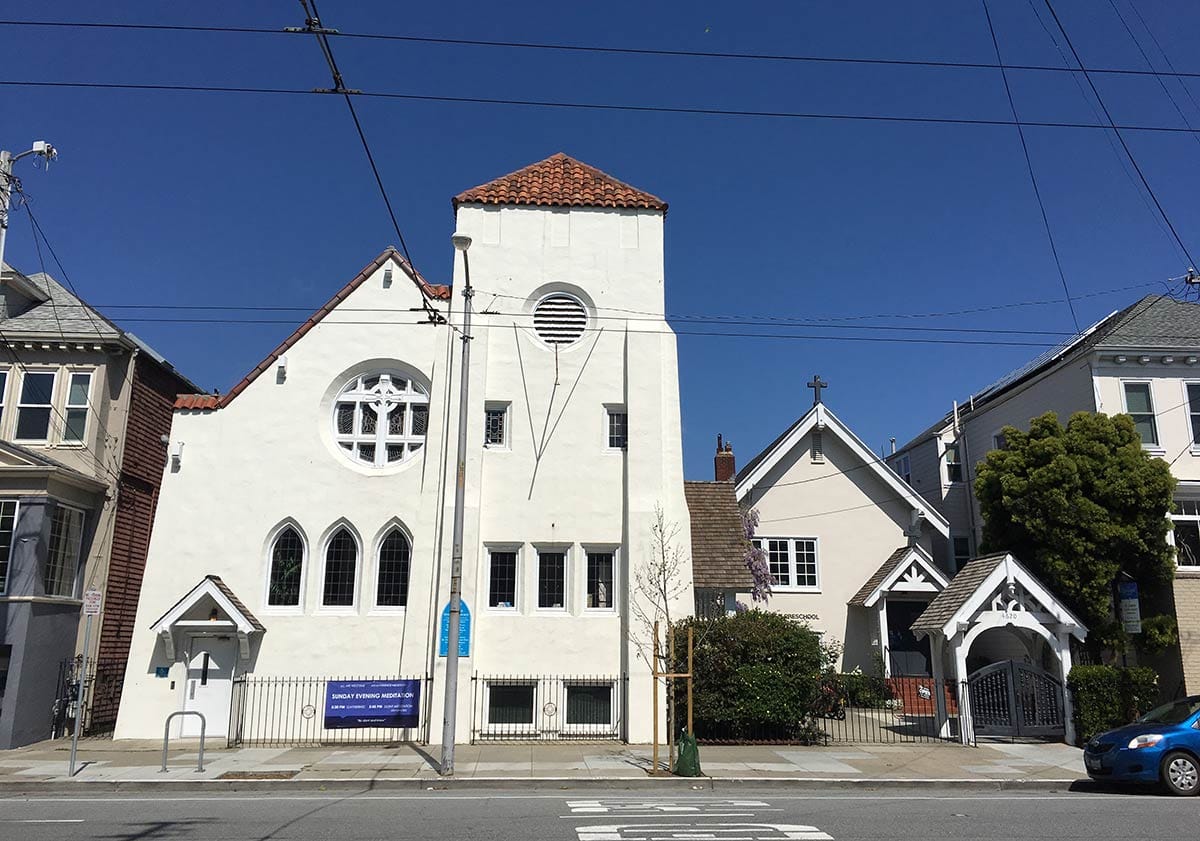
A similar march occurred every Sunday when the residents walked to the St. James Episcopal guild hall on Clement and 6th Avenue for Sunday School. (While the Nursery called itself non-sectarian, Christianity was non-negotiable, with prayers each night and Sunday school each week. Jewish and Chinese children just had to lump it.)
“We formed in line and marched with our nurse. The girls were all in another line with their nurse. Always in both lines the little ones were kept ahead. There were years of this Sunday School hegira for me. At first I was up front; with time I was promoted backward much to my glee; and at last Melvin and I were at the end.”
Albert Wilson stayed longer than any resident in the Nursery’s history. The custom was to release children to other situations when they turned 14. Extended family often took custody. Usually the teens were handed over to the Boys and Girls’ Aid Society, where jobs would be found for them like picking apples in Sebastopol or sweeping up in a South of Market machine shop.
But Bert Wilson had no family and was allowed to stay at the Nursery past the normal deadline, becoming the first child of the orphanage to enter high school in residence.
Because he was determined to go to university (and not clean spittoons), he chose Lowell instead of Polytechnic High. He spent the money he saved from jobs to buy himself new clothes and the required Latin, algebra, and history books. Each school day he walked the two miles to the Lowell campus on Masonic Avenue and Hayes street.
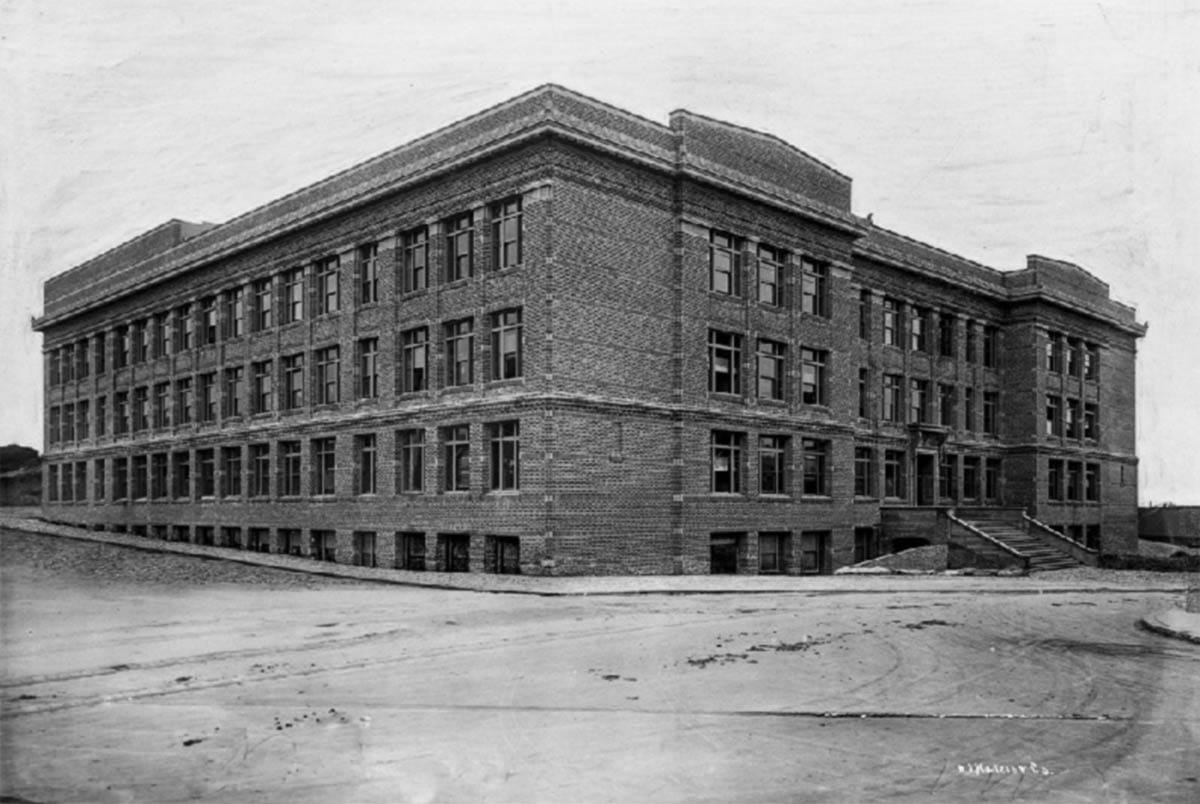
Halfway through his freshman year in high school, Wilson finally left the Nursery to live on his own. With help from the president of the board of managers, Hazel Grunsky, he found a room to rent in a Mission District house for $2.50 a week. Mrs. Grunsky gave the teenager a small sewing kit, the staff presented him two blankets embroidered with the institution initials “N.H.C.,” and the board bought him an iron to press his clothes.
He worked his way through high school and then—his dream—through Stanford. Wilson went on to teach gardening and landscaping at the College of San Mateo.
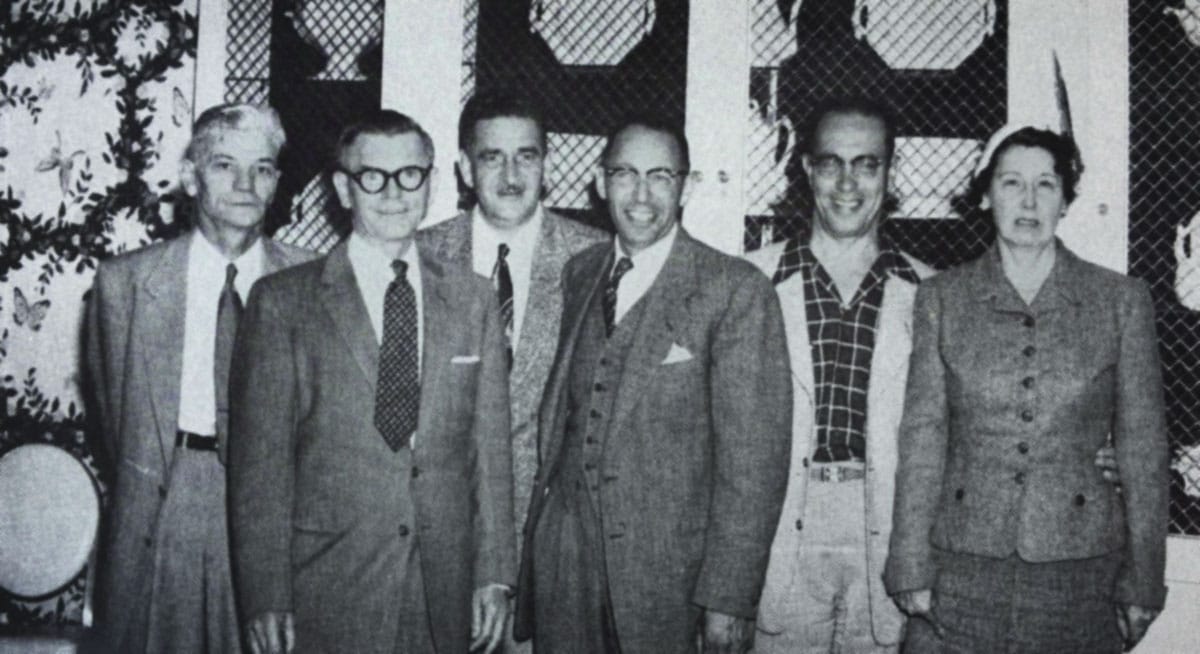
After serving in World War II (as a 39-year-old), he launched a career as a horticultural expert, writing books, hosting radio shows (“Dig It with Albert”), and appearing on regular segments in local morning television shows such as “People Are Talking.” (You can listen to his distinctive voice in a gardening lecture recorded in Menlo Park.)
Wilson was a regular at the 1906 survivors’ gatherings at Lotta’s Fountain each April 18th wearing his signature beret. He was a frequent lecturer and leader of garden clubs and was giving gardening talks at 93 years old, just one month before his sudden death in 1996.
Albert Wilson never married or had children. The last line of his obituary was “He leaves no survivors.”
Transition
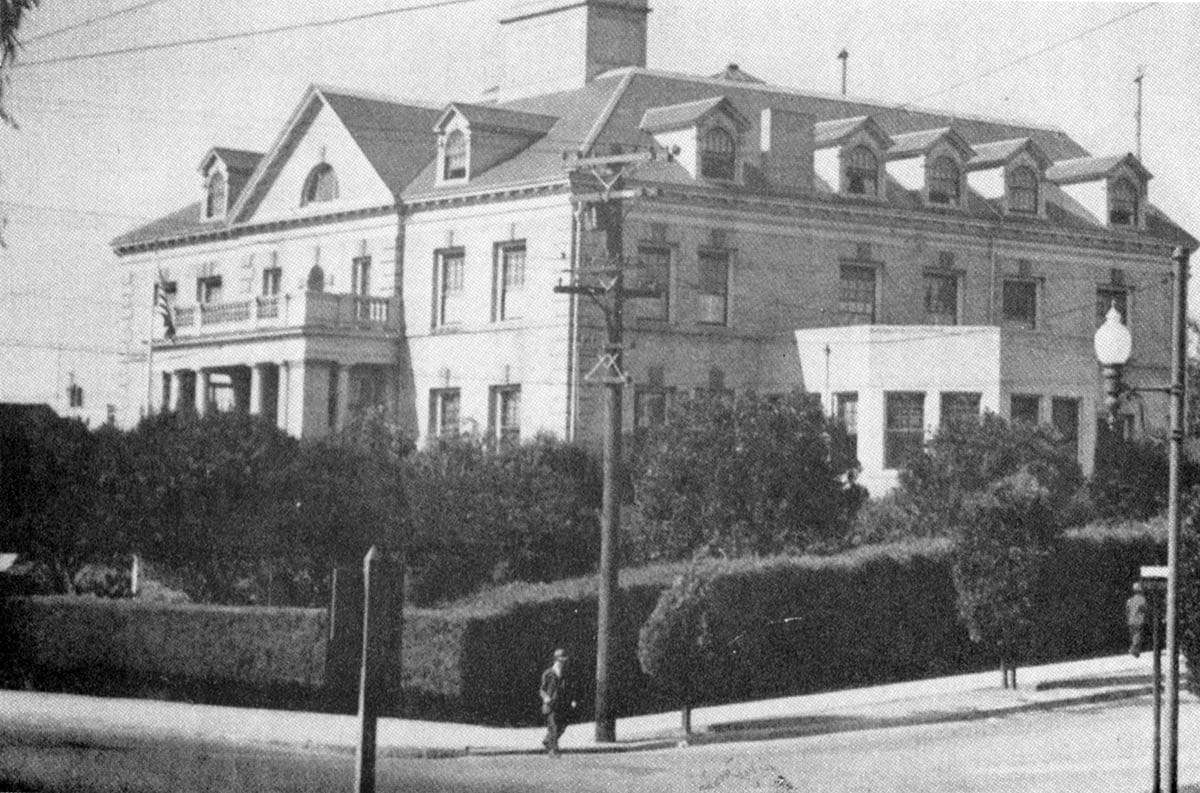
The Nursery held on years after the accepted model of caring for at-risk children changed from institutional rows of beds to foster care and family-centered cottage systems. But finally, in 1939, the institution decided it was time to move on from the big house.
The Richmond District lot was sold for a housing development and a deal was made to move the Nursery’s remaining children to a smaller facility, the Junior League’s orphanage of “Pinehaven” at 2685 30th Avenue in the Parkside District.
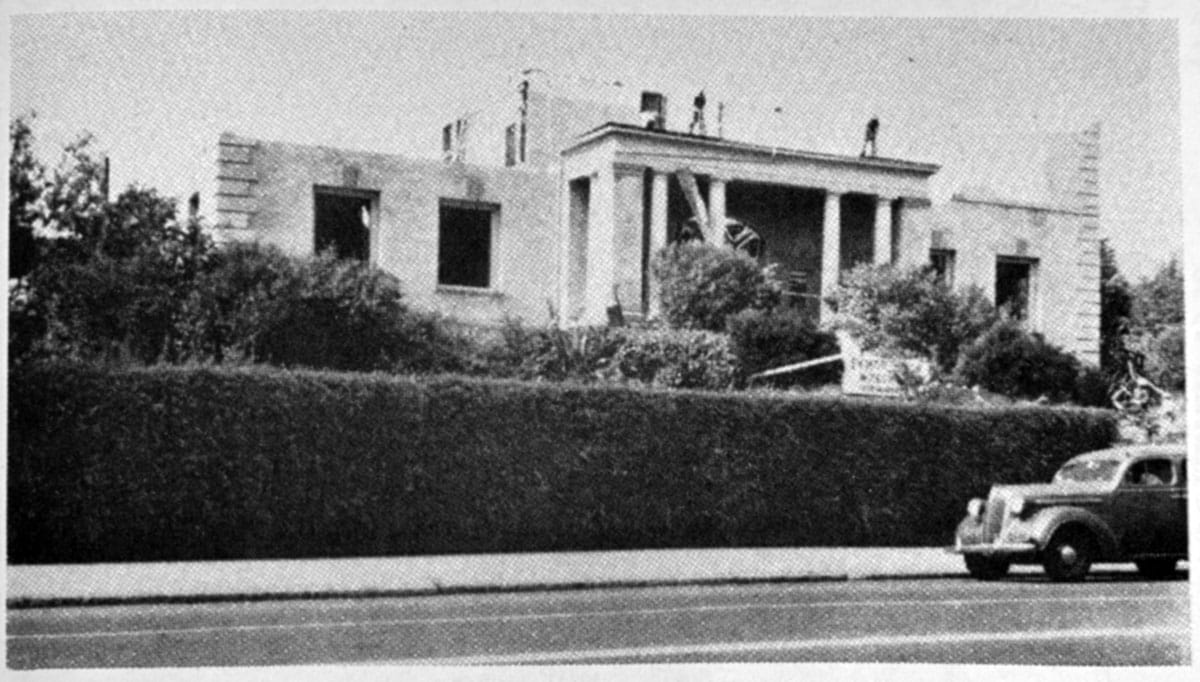
In 1940, the big white house on Lake Street came down; in its place, rows of modern duplexes went up. They are still there today.
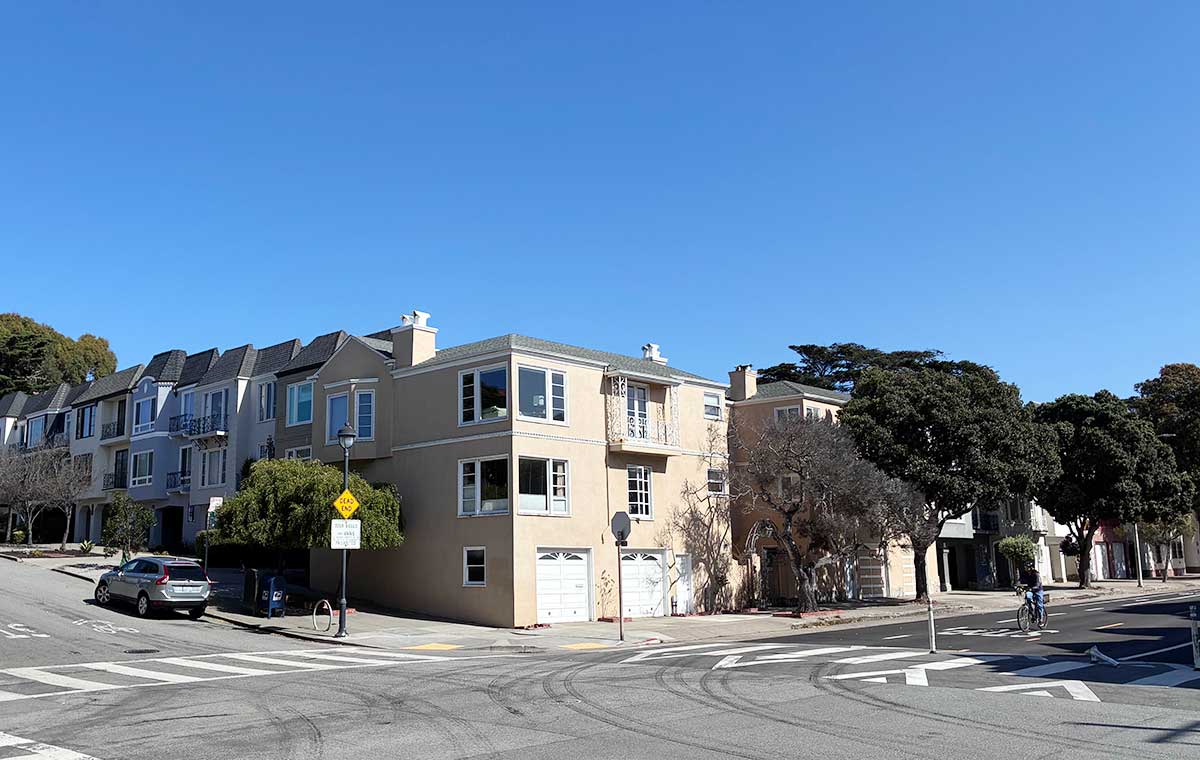
My friend Angus Macfarlane told me there used to be a plaque commemorating the San Francisco Nursery for Homeless Children in the sidewalk at the 15th Avenue entrance to the Presidio. There doesn’t seem to be any there now.
So nothing marks the block where hundreds of children once lived and played. Few people are alive who remember the orphanage and there is a dwindling number who remember Wilson, perhaps its most successful resident.
The Nursery’s tenure on 30th Avenue was brief. The Salvation Army took over Pinehaven in the mid 1940s to create “Pinehurst,” a facility for women and children needing temporary shelter.
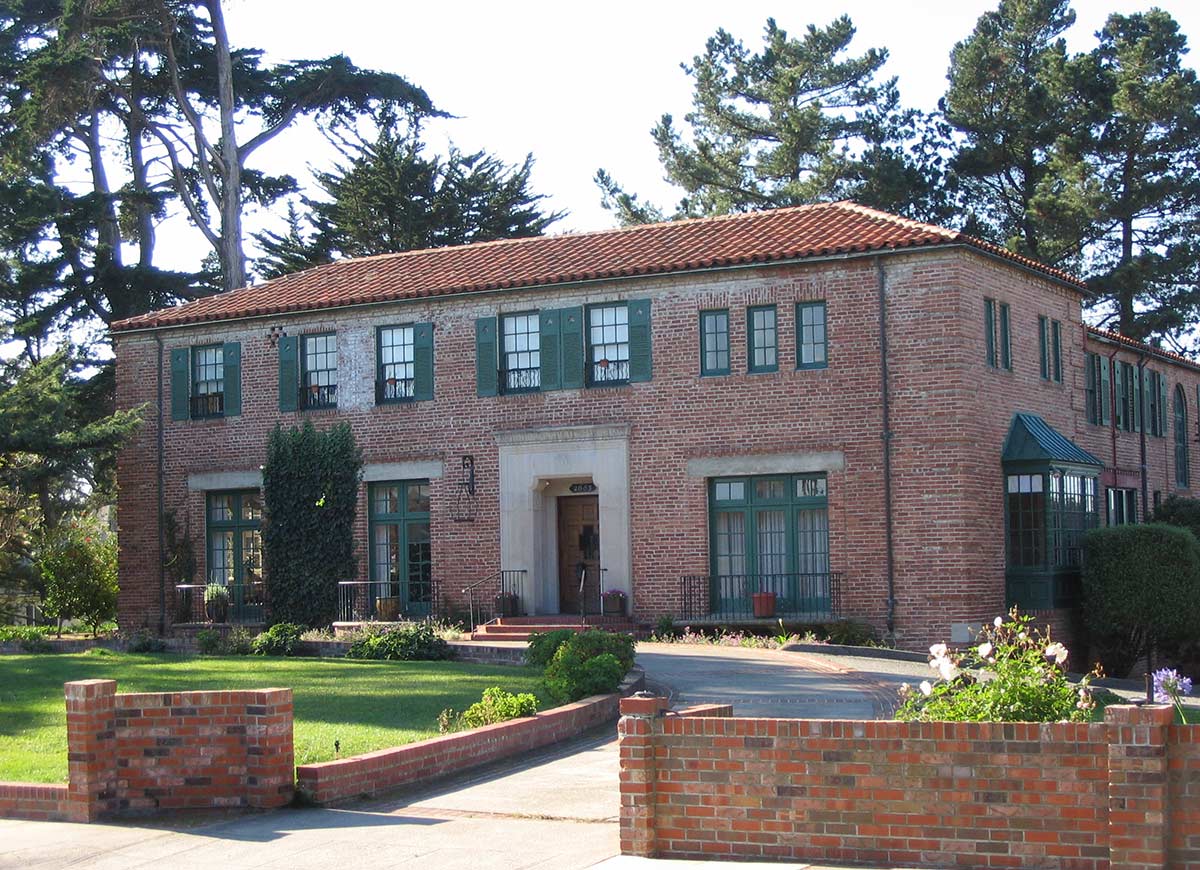
There are hints the Nursery children that were still under care were relocated just across the street to Edgewood, which evolved from the original Protestant Orphanage.
Just a week after Albert Wilson was on his own, a freshman in high school with his own apartment and an after-school and weekend job, Mrs. Grunsky visited him at work and handed him an envelope with his name written on it.
“Here is some information about your father and mother.”
Although everyone called the San Francisco Nursery for Homeless Children an orphanage, most children had at least one parent living. Many relatives visited during the allowed hours on the afternoons on the first Saturday and third Sunday of the month.
Wilson had never received a visitor, at least he didn’t ever remember receiving one.
On the note inside the envelope, he read that his father had died of consumption five months before he was born in 1903. His mother had brought Albert to the Nursery on April 22, 1905.
“She visited the child for a few weeks, bringing some little calico dresses for him, and then without warning stopped coming, and has not been seen nor heard from since…”
With a couple of exceptions, Wilson dearly loved the matrons who ran the only home he had known. He loved his friends he grew up with there and the lady managers and young women of the auxiliary who volunteered for the organization. They were his family.
“We could not love and honor our father and our mother for they were unknown to us. But these we did know, and from them we felt warm rays of dedicated affection. I never saw myself as an orphan.”
Woody Beer and Coffee Fund
The Woody Beer and Coffee Fund is kind of like a tip jar, except I spend the money buying other people drinks while we talk about, well, whatever they want. You could be other people! You could be getting a free beverage! You could talk to me! What a wonderful world.
Let me know when you are free.
Sources
Albert Wilson, These Were The Children (Menlo Park, CA: Albert Wilson Publishing Co., 1963).
“Radio-TV gardening guru Albert Wilson, 93,” San Francisco Examiner, March 14, 1996, pg. 17.