
Home for Inebriates
San Francisco's early institution of recovery in North Beach.

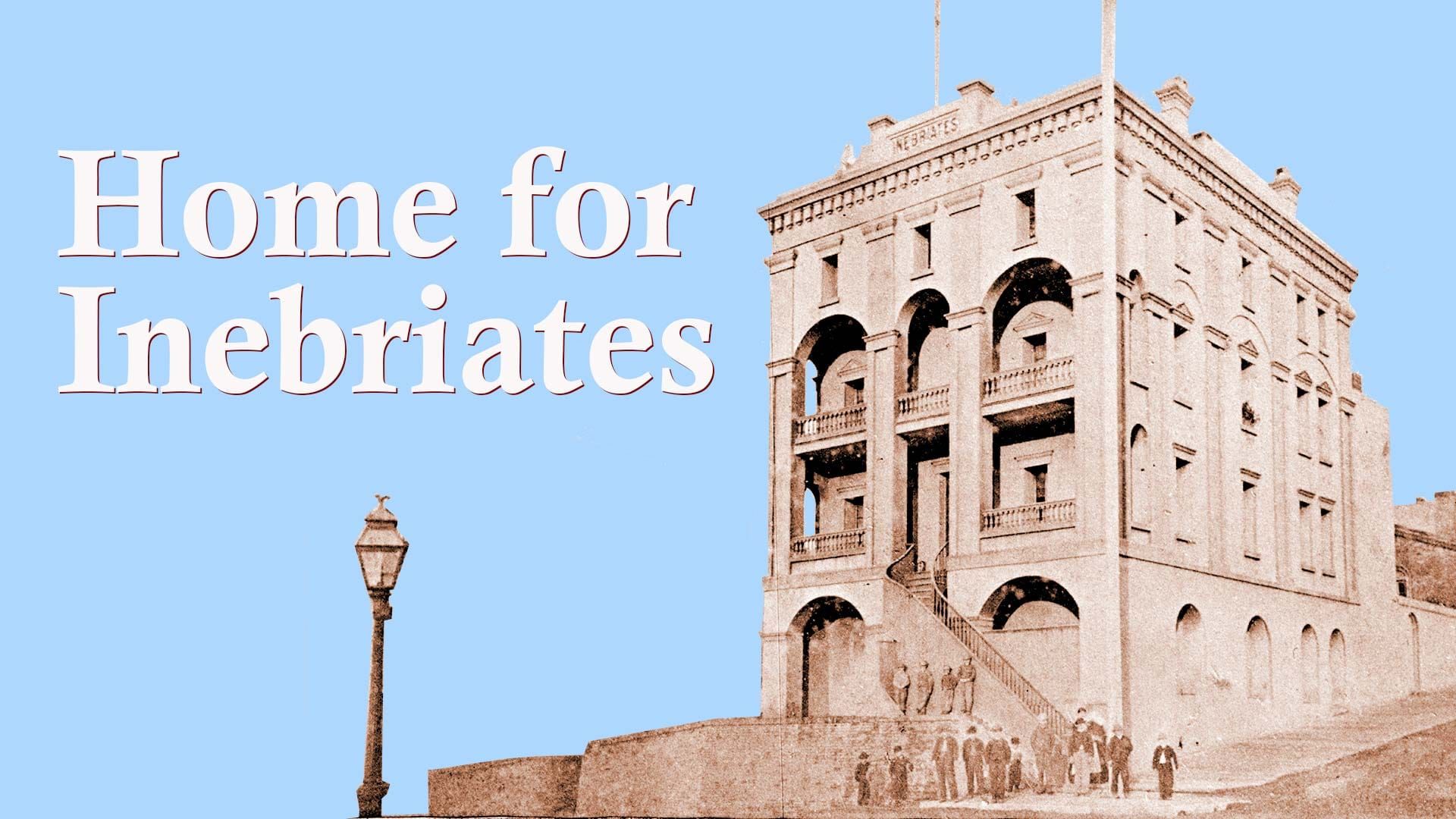
In the 1850s, merchant and mill owner William A. Pfeiffer built himself a three-story, 22-room brick house on a bluff overlooking North Beach. The prominent edifice on the corner of Stockton and Chestnut streets had Telegraph Hill as its backdrop. Thought to be a “quaint and unsightly structure” (translation: in bad taste), some locals named it “Pfeiffer’s Folly.”
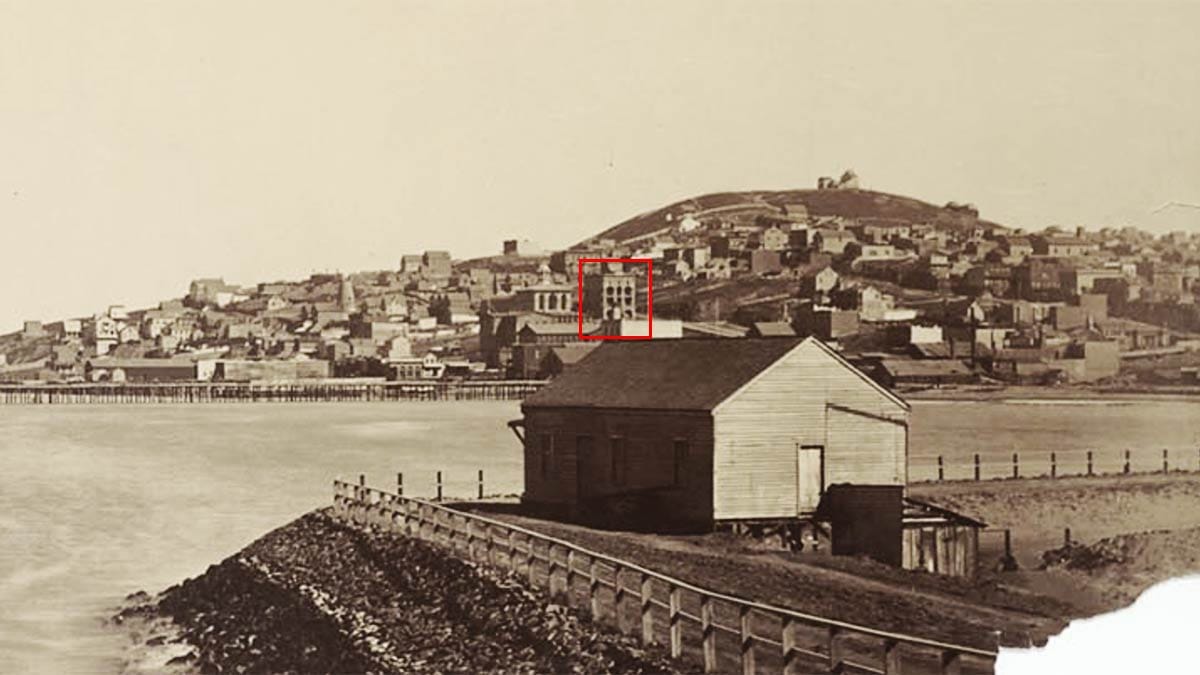
It was more kindly listed as Pfeiffer’s Castle when it was put up for sale in 1860.
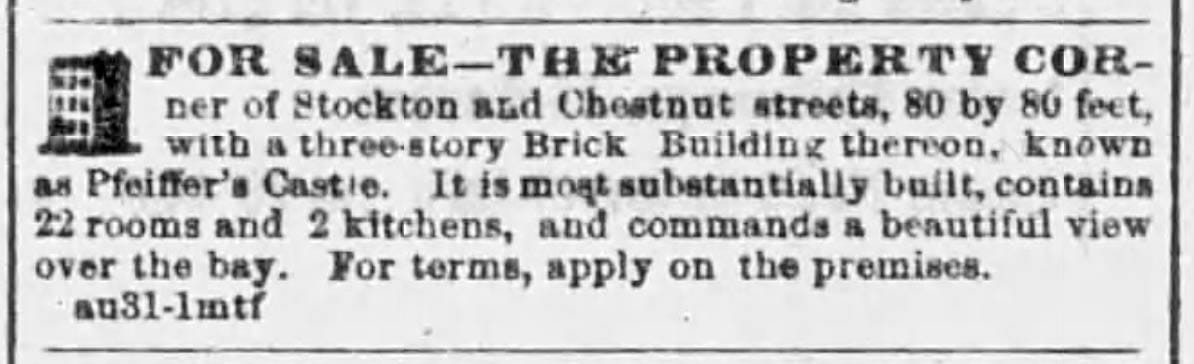
San Francisco’s real estate market in the early 1860s was not the overheated steam bath it is in the mid 2020s. It wasn’t until July 1862 that the castle found a buyer, a surprisingly popular charitable organization called the Dashaway Association.
Why surprisingly popular? In rollicking partying drunken San Francisco, the Dashaways were a relatively new group promoting abstinence from intoxicating spirits. They bought Pfeiffer’s Castle to be their experimental center for the treatment of alcoholism.
Shrine of Bacchus
People used to drink a lot more than they do today. The average American now consumes about 2.5 gallons of alcohol a year. In 1830, that number was 7.1 gallons.
Just when it seemed various temperance movements were making progress against drink in the mid 1800s, America leaned into it even more. The number of urban saloons in the country is estimated to have tripled between 1850 and World War I.
Alcohol was a big problem—not just for individuals and their families, but society overall. You might remember the November 1858 police report I mentioned in Grab Bag #64. Out of 707 recorded arrests in San Francisco, 284 were for being drunk and disorderly and much of the others (misdemeanors, threats, assaults) were likely alcohol-fueled.
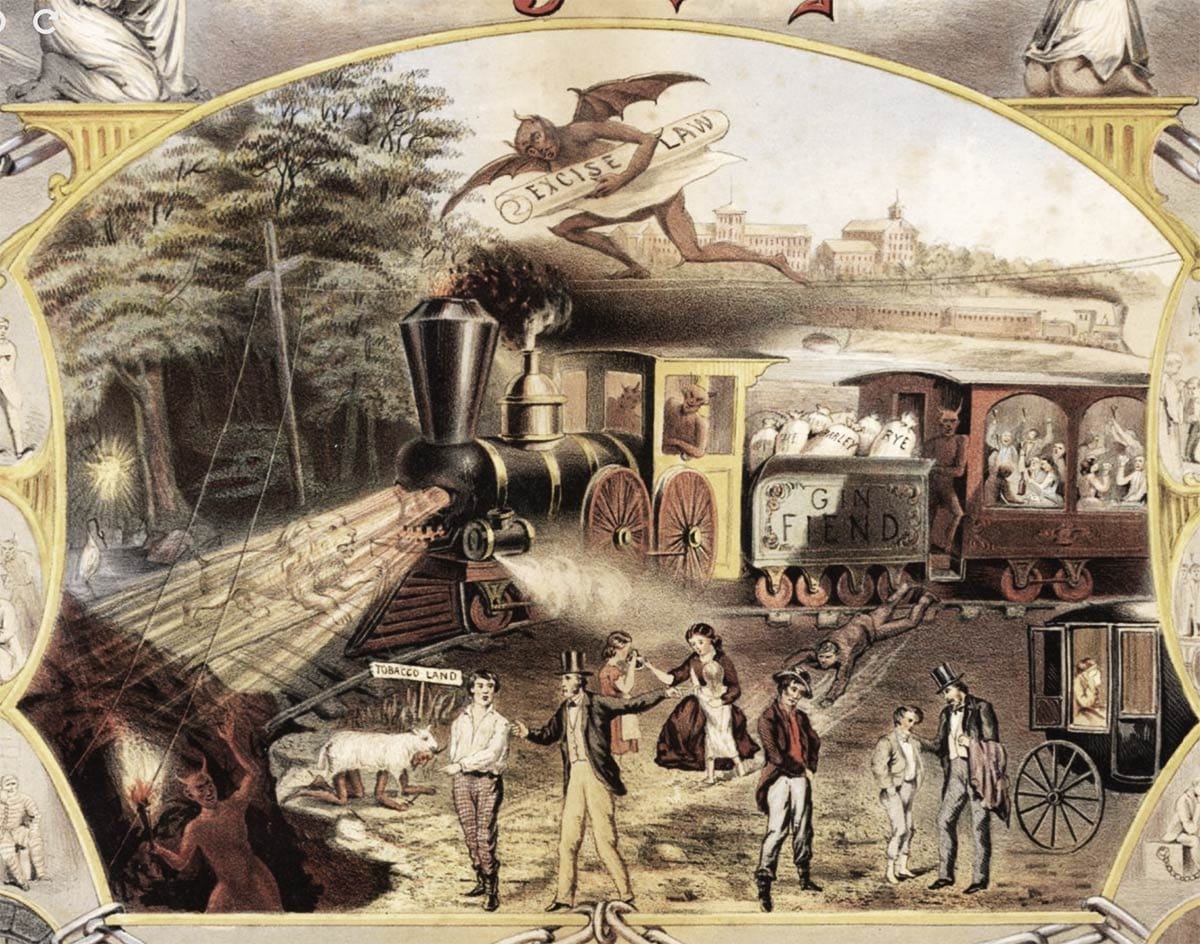
Temperance movements and societies focused on ending the evils of drinks were usually affiliated with religious institutions; they were often associated with moral righteousness and focused on prohibition (laws restricting the sale and distribution of alcohol); and they were frequently female-coded and powered by active groups of women. (Understandably, as in an era when women had few rights, there was little opportunity to escape from the problems caused by men’s abuse of alcohol.)
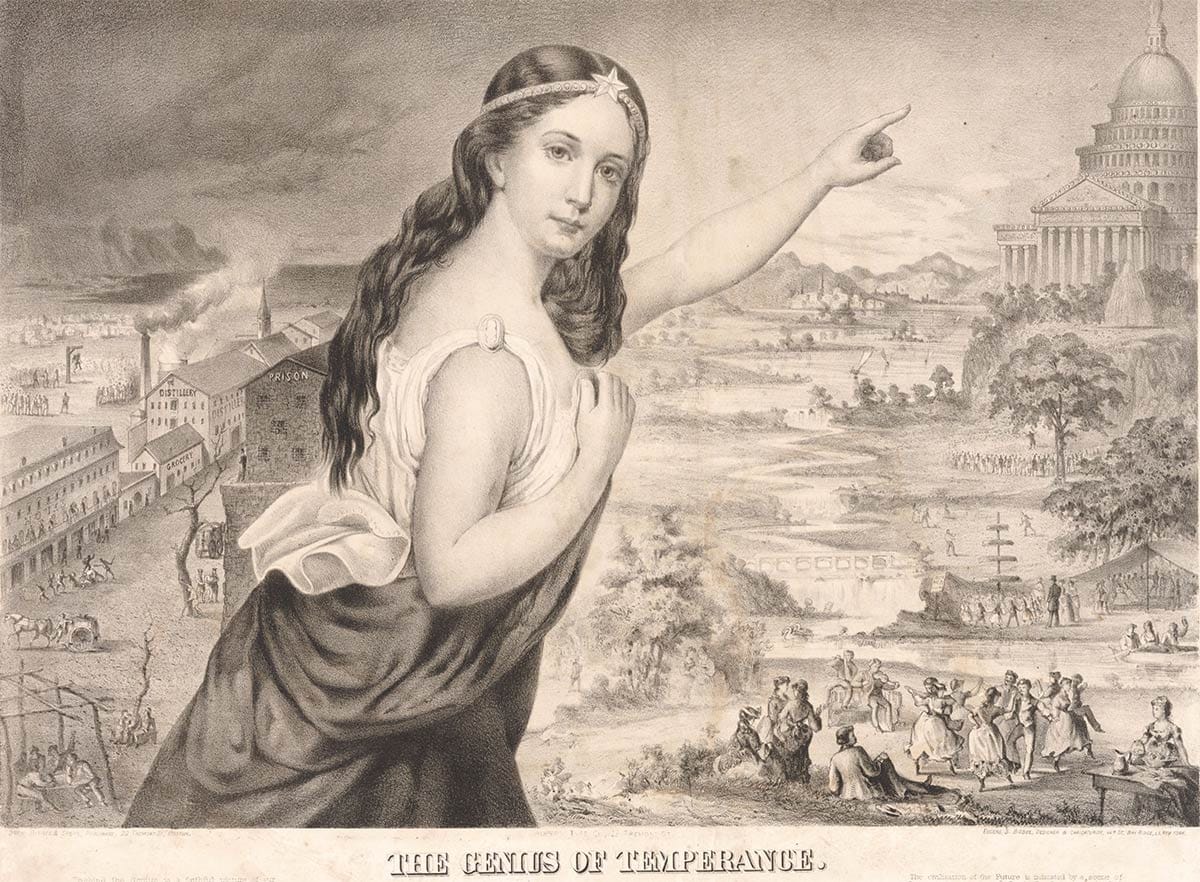
The Dashaways were different.
On January 2, 1859, a group of 19 men, most volunteer fire fighters at the Howard Engine House, vowed to permanently “dash away” intoxicating beverages from their lips.
The Dashaway emphasis wasn’t on sin or evil or piety or changing laws. Just hunky firemen saying they had enough.
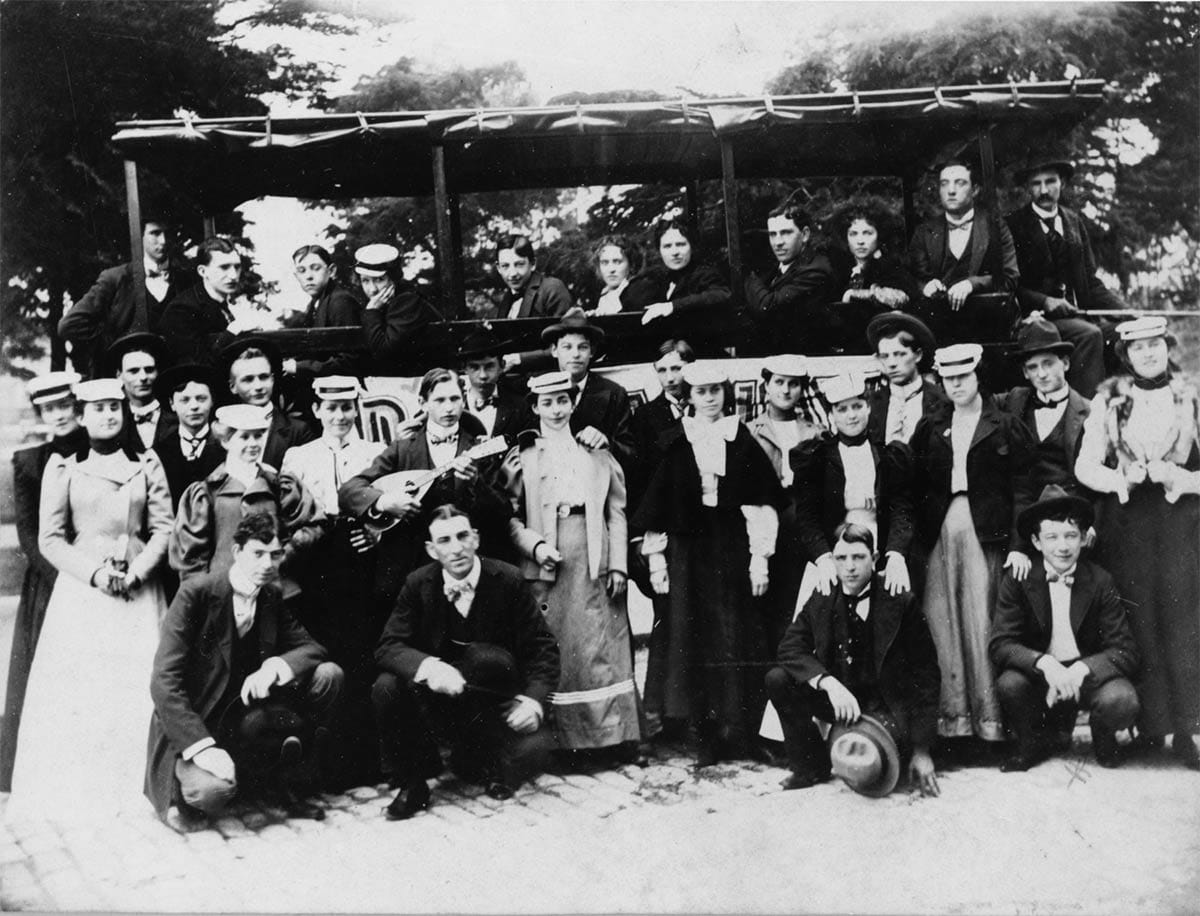
These were the boom times for fraternal organizations like the Odd Fellows, Masons, and Woodmen of the World. To have one based on abstinence without fire-and-damnation rhetoric was immediately popular. Dashaways were cool.
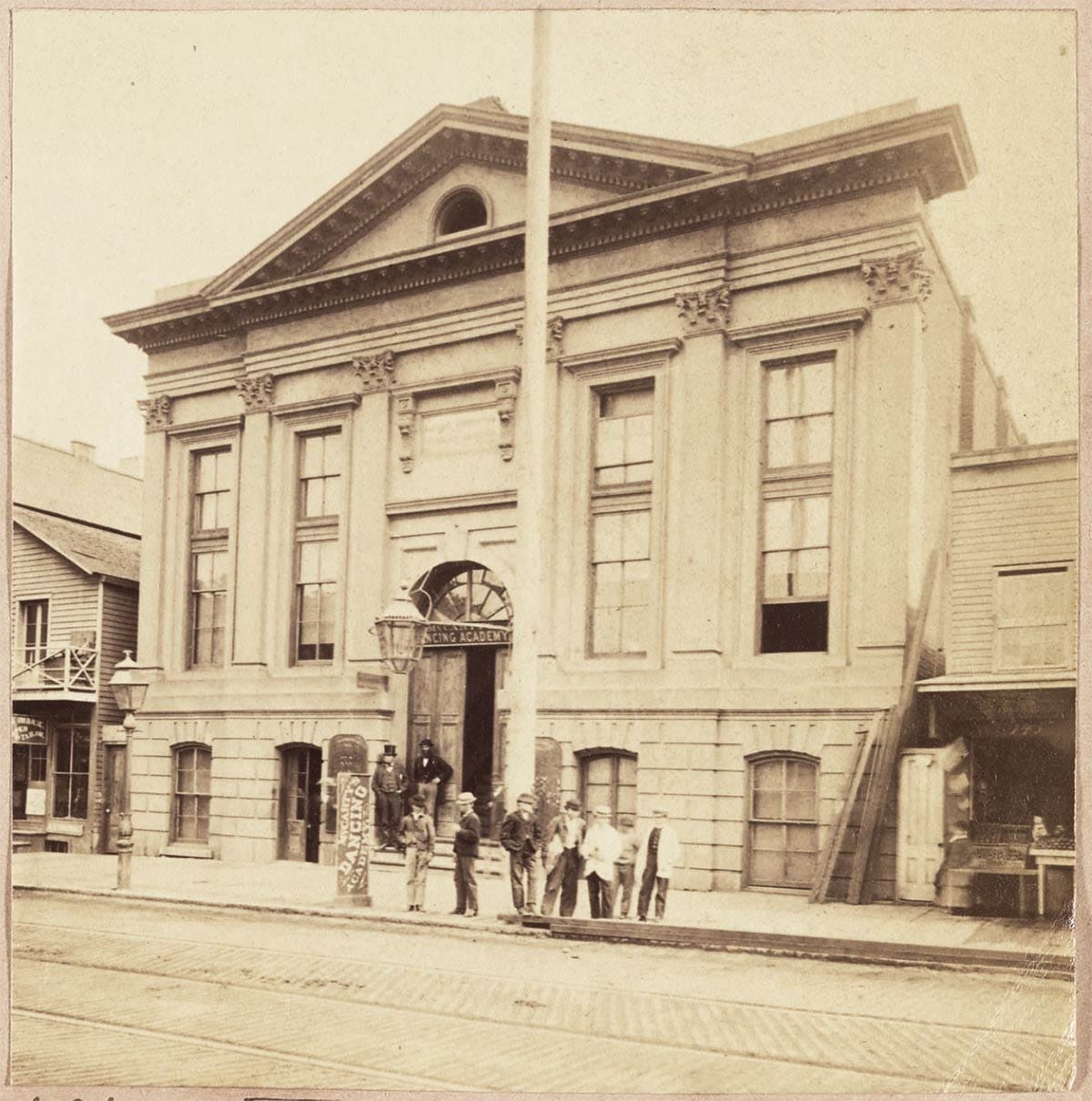
Branch associations quickly sprouted up in mining camps and towns across California. In San Francisco, they built their own stately hall on Post Street and by the early 1860s had more than 8,000 members paying monthly dues to their cause.
Asylum for the Fallen
Just months after forming, the Dashaways tackled an issue that still plagues San Francisco today.
Those convicted of public intoxication who could not pay fines for their release were “immediately thrown in contact with criminals of every grade, whereby they become disgraced in the eyes of the community and lose the self-respect they previously had, which almost forces them to fly to the intoxicating cup again, and as a consequence the prison dock and finally the drunkard’s grave.”
Punishment rather than treatment accelerated the cycle of addiction and made everything worse.
Despite more than century of research and study proving this, we mostly haven’t learned the lesson, even in enlightened San Francisco.
But, 160 years ago, the Dashaways tried a solution.
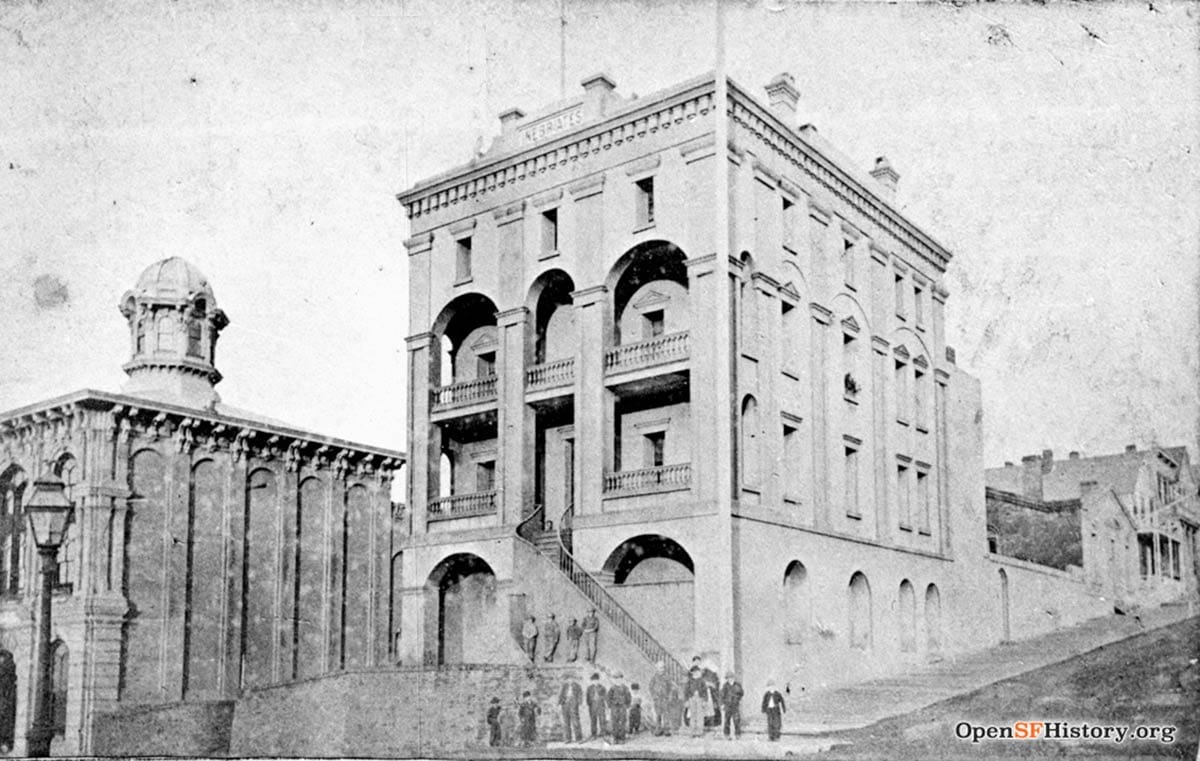
In the first year of its existence, the group formed a committee to establish “a home for care and reformation of inebriates,” a place of cure rather than criminal disgrace. In December 1862, the Daily Alta reported that the Dashaways had Pfeiffer’s Castle ready:
“The interior has been thoroughly overhauled, cleaned, etc., and the exterior painted a rich chocolate color. The flag floats from the staff on the summit of the structure, announcing to the passer-by that the ‘Home of the Inebriate’ is prepared to receive the forlorn and destitute and slavish devotee at the shrine of Bacchus, within its walls.”
The board of trustees included select Dashaways, civic, and spiritual leaders of the city such as Thomas Starr King. Patients were accepted beginning in 1863, one year before the New York State Inebriate Asylum, which is often credited as the first of its kind in the United States.
Recovered but not Recovery
Treatments given at inebriate asylums, sanitariums, and residential institutions in 19th century America varied greatly. Some offered experimental cures based on diets, mercury, opium, or electric-shock therapy, others focused on moral education, psychotherapy, and behavioral control. Some confined patients while others acted more as out-patient clinics.
Through its history, San Francisco’s Home for Inebriates operated mostly as a short-term medical ward, a place to manage people sent to “dry out” as well as to care for those suffering from delirium tremens or other physical failure from alcohol abuse.
Most inmates stayed one to four weeks at the home. Superintendent and chief physician James Grey Jewell told a reporter in 1882 that his patients usually arrived in “the last stages.”
“Those we receive are generally prostrated—collapsed, as if paralyzed. They are perfectly inert, and the greatest care must be exercised that the slender thread of life is not snapped. We give them, as advisable in individual cases, a little ammo to stimulate the vital energies, and with care and attention to the body and surroundings leave the rest with sleep and nature.”
While the Dashaway Home employed medical doctors, who treated addiction as a disease and not as a moral failing, the essential approach of the association from its beginning was self-help and mutual care.
Supported by private donations and fees from those who could pay, the Home also received an appropriation from the city and county—taken out of Police Court fines for alcohol-related offenses—which usually covered about half of the institution’s expenses.
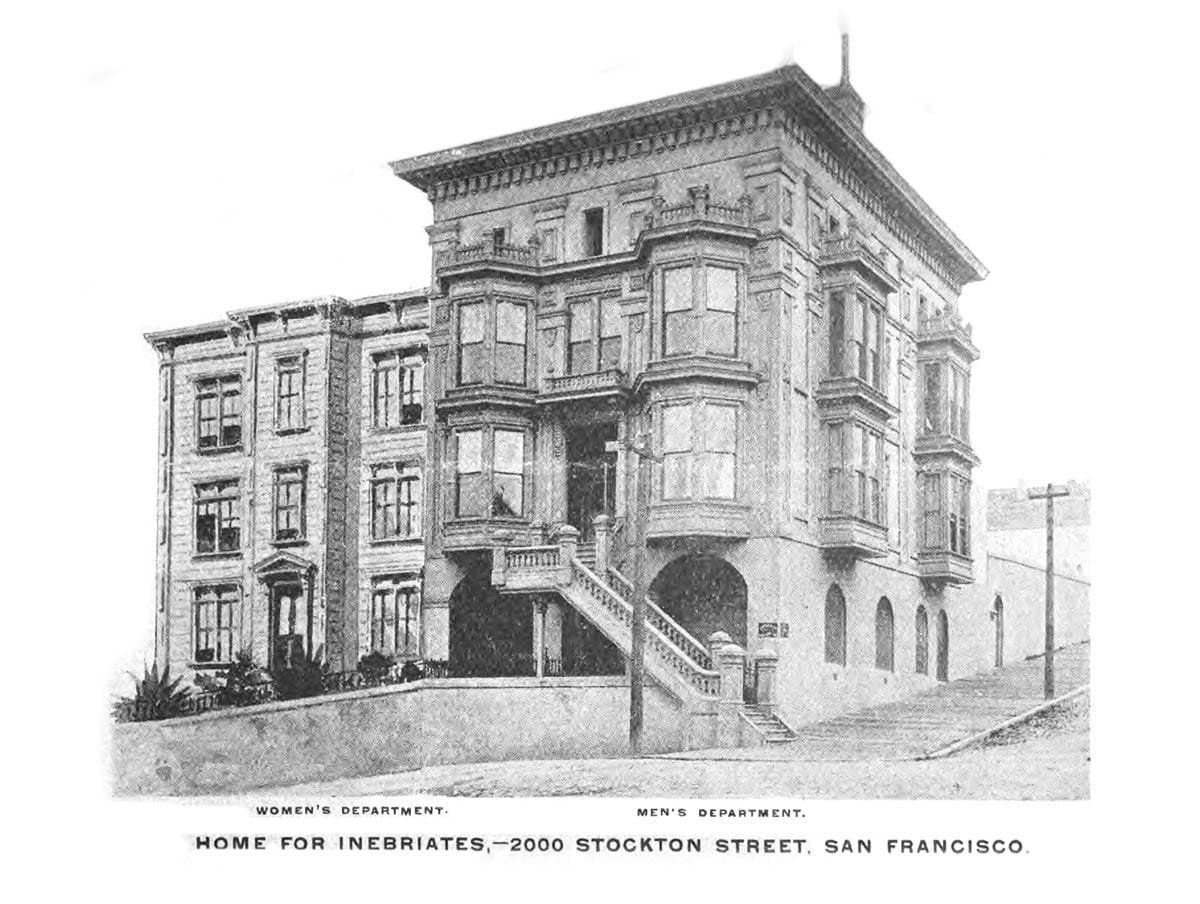
When Dr. Jewell retired in 1893 after 11 years as superintendent, he was credited with treating 17,000 patients “with a very small death rate.” His successor, Samuel Potter, may have been just as effective, but he was less popular.
In 1894 the San Francisco Examiner began a weeks-long crusade against Potter and the institution under his management. The newspaper called the Home “the house of torture” and a “private madhouse.” Articles implied financial irregularities and claimed that “women are beaten, bruised and burned almost beyond recognition.”
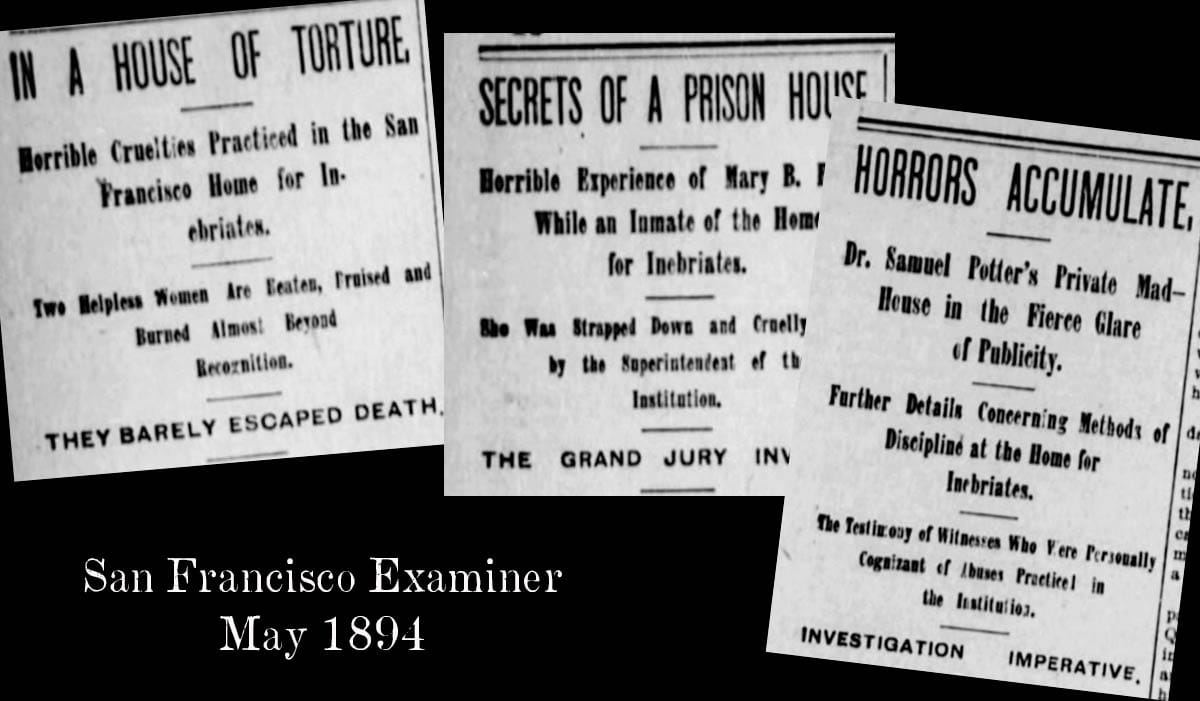
Potter and the Home trustees vehemently denied these charges. They noted the Examiner series began right after the doctor declined to pay for an advertising article and that the paper’s editor was angry with Potter for protecting the privacy of his patients when the newspaper looked for salacious stories.
The San Francisco Grand Jury conducted an investigation and concluded the Home for Inebriate was properly managed and that the charges of improper treatment of patients “were not sustained.”
The Home also self-published and distributed its own 18-page defense, but the damage was done.
The Dashaway Association had long since passed its 1860s popularity and by the middle of the 1880s had only about 50 members, “nearly all elderly men.” Despite believing Potter a capable physician and administrator they were not happy about being dragged through the muck.
Potter resigned at the end of 1897. The Dashaways formally dissolved and donated the campus to the Christian Hospital Association to create a institution for the needy. In 1899, the state legislature considered a system of licensing inebriate homes across the state.
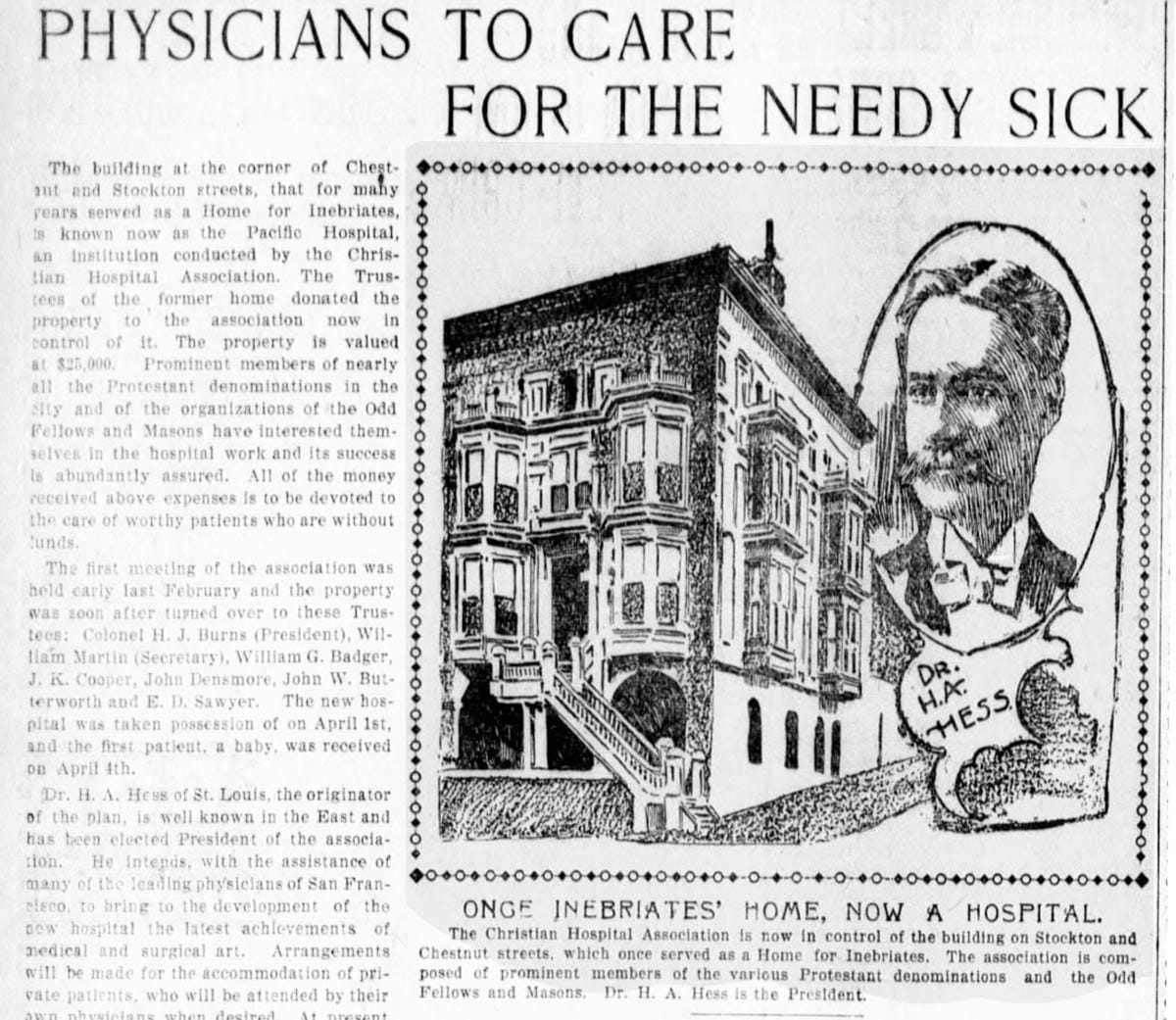
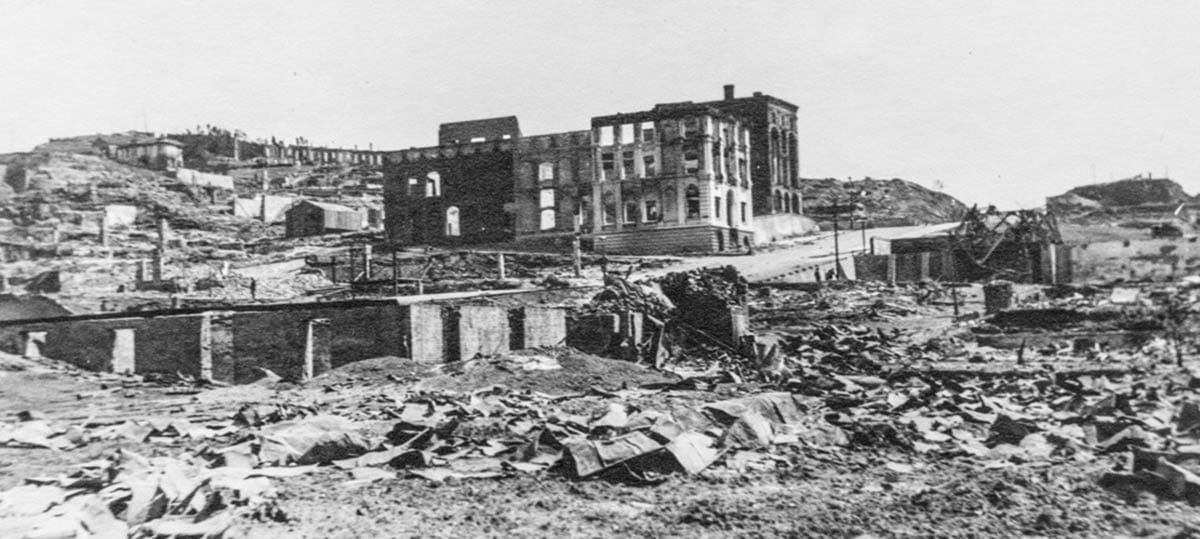
Fires following the big earthquake gutted the former Pfeiffer’s Castle and Home for Inebriate in April 1906.
The Road of Many Steps
The long fight by temperance groups resulted in the nation’s Prohibition era from 1920 to 1933. With alcohol production and sales essentially banned, the country threw up its hands in treating addiction.
State inebriate asylums closed. Those with funds could go to private hospitals or sanitariums to try for treatment; those without were left to state insane asylums.
Prohibition did not solve drinking. The dry 1920s ended with a higher incidence of alcoholism in the United States than when they started. The country backslid into simplistic labeling of addicts as morally weak or psychopathic rather than suffering from a disease.
In 1935, the founders of Alcoholics Anonymous, recognizing alcoholism as “a malady of mind, emotions, and body,” began a worldwide movement using steps of self-accountability and mutual support that would not have been unfamiliar to the Dashaways.
The importance of the Dashaway Association’s early and important role in both San Francisco’s social history and in the history of the United States’ approach to treating addiction is mostly unrecognized.
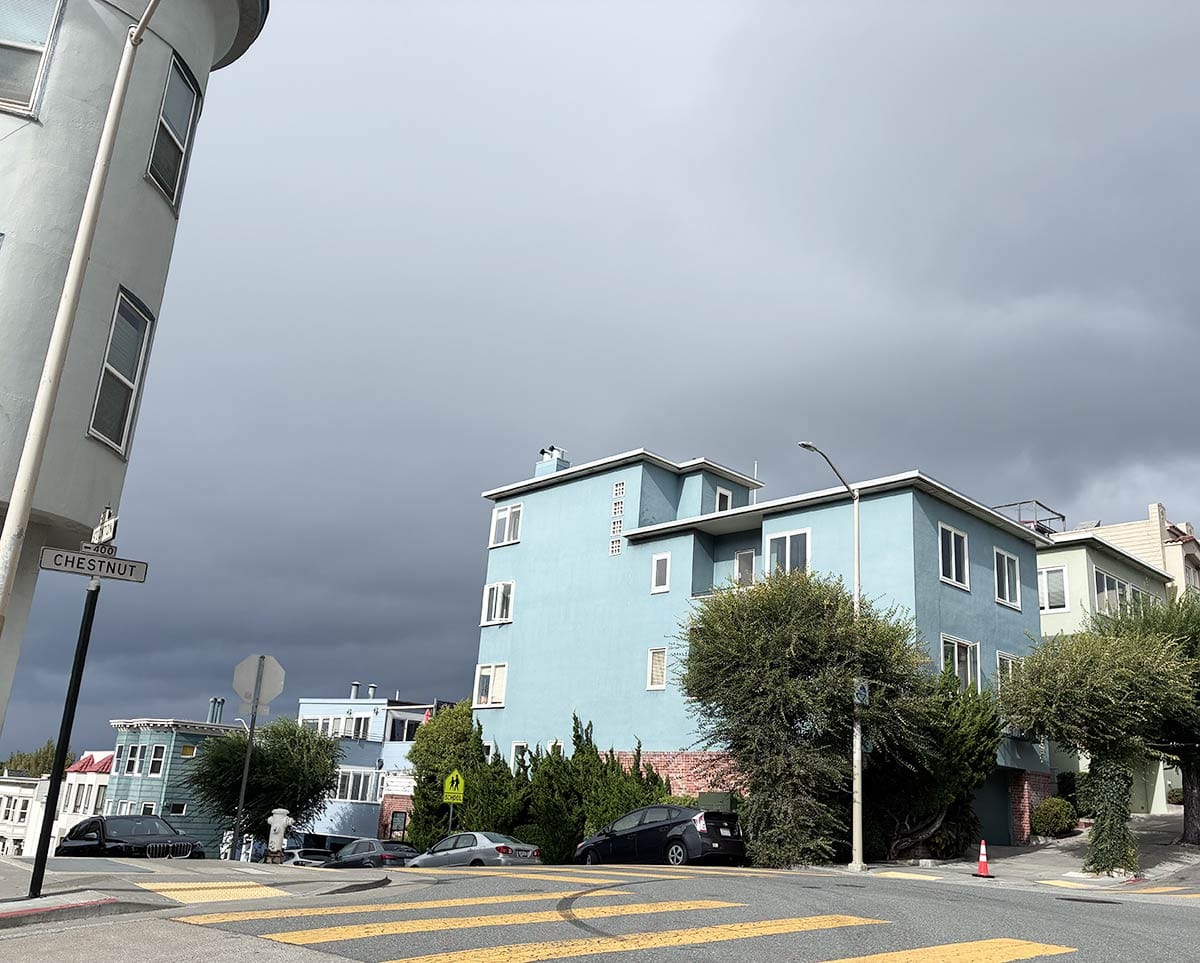
In 2026, the corner is occupied by a 1940s apartment building.
Woody Coffee Fund

Maybe we skip the mention of beer this week in honor of the Dashaways, yes? I have a lot of people to thank for their recent contributions to the Woody beverage fund: Jason C., William G. (F.O.W.), David H., Maria L., Reed R. (F.O.W.), Tarik O. (F.O.W.), and Sheri L. (F.O.W.)!
I also have lots of folks to follow up with to schedule a drink with including...you?
Let me know when you are free. Your libation is paid for.
Sources
David F. Myrick, San Francisco’s Telegraph Hill (Berkeley, CA: Howell-North Books, 1972).
“City Items,” Daily Alta California, July 14, 1859, pg. 2.
“Extensive Sale of Real Estate,” Daily Alta California, July 10, 1862, pg. 1.
“A Metamorphose,” Daily Alta California, December 1, 1862, pg. 1.
“Dipsomanias,” San Francisco Examiner, July 9, 1882, pg. 1.
“Home of the Inebriates,” San Francisco Chronicle, September 17, 1885, pg. 5.
“Inebriates’ Home,” San Francisco Examiner, June 29, 1887, pg. 8.
“Home for Inebriates,” San Francisco Chronicle, December 26, 1892, pg. 8.
“Color of Official Right,” San Francisco Examiner, June 11, 1894, pg. 10.
The Home for Inebriates and the ‘Examiner’s’ Attack Thereon (San Francisco: Board of Trustees of the Home for the Care of the Inebriate, 1895).
“Physicians to Care for the Needy Sick,” San Francisco Examiner, May 28, 1899, pg. 8.
Suzanne S. Brent, B.A., M.H.R., “The History of Alcoholism Treatment in the United States,” PhD diss. (University of North Texas, 1996).