
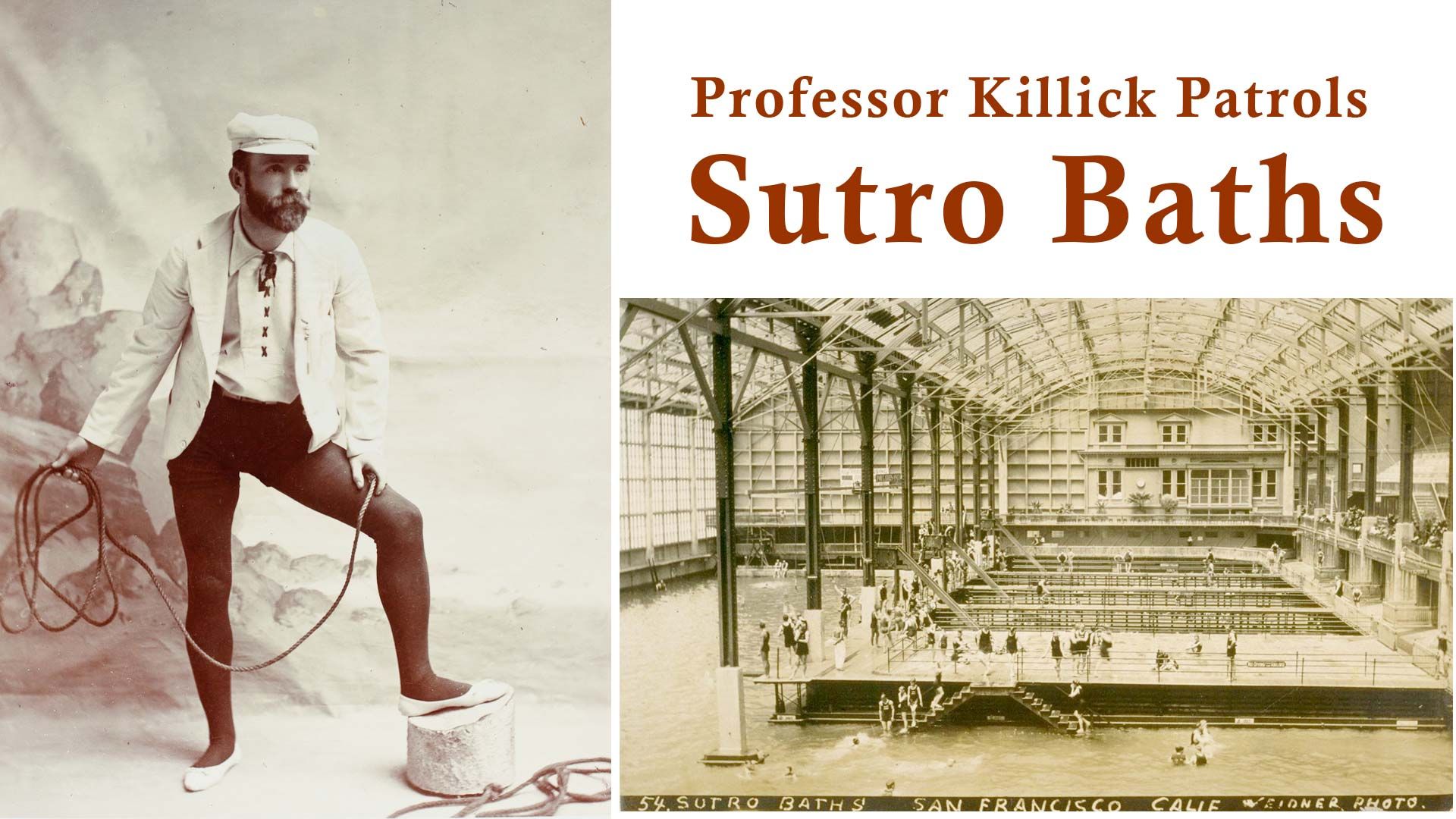
Professor Killick Patrols Sutro Baths
A man with rope, tights, and expertise in aquatic arts in 1890s San Francisco.
Last month after a presentation someone asked me who I’d like to meet in San Francisco history. His only rule was it couldn’t be a relative of mine. (In 2023, I made up my own time-travel dicta, so I couldn’t complain.)
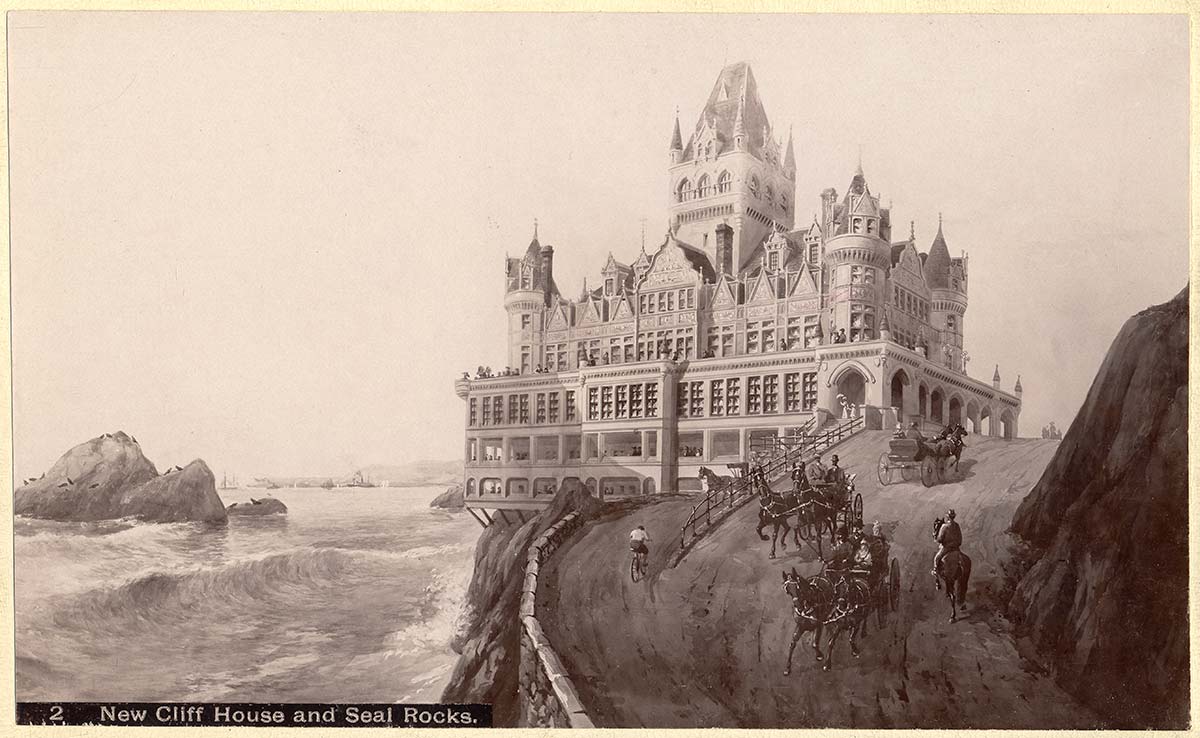
I said Adolph Sutro, not because I think he’d be an interesting conversationalist (I have a sense he was a bit of a bore), but because he could give me a backstage tour of the 1890s Cliff House...
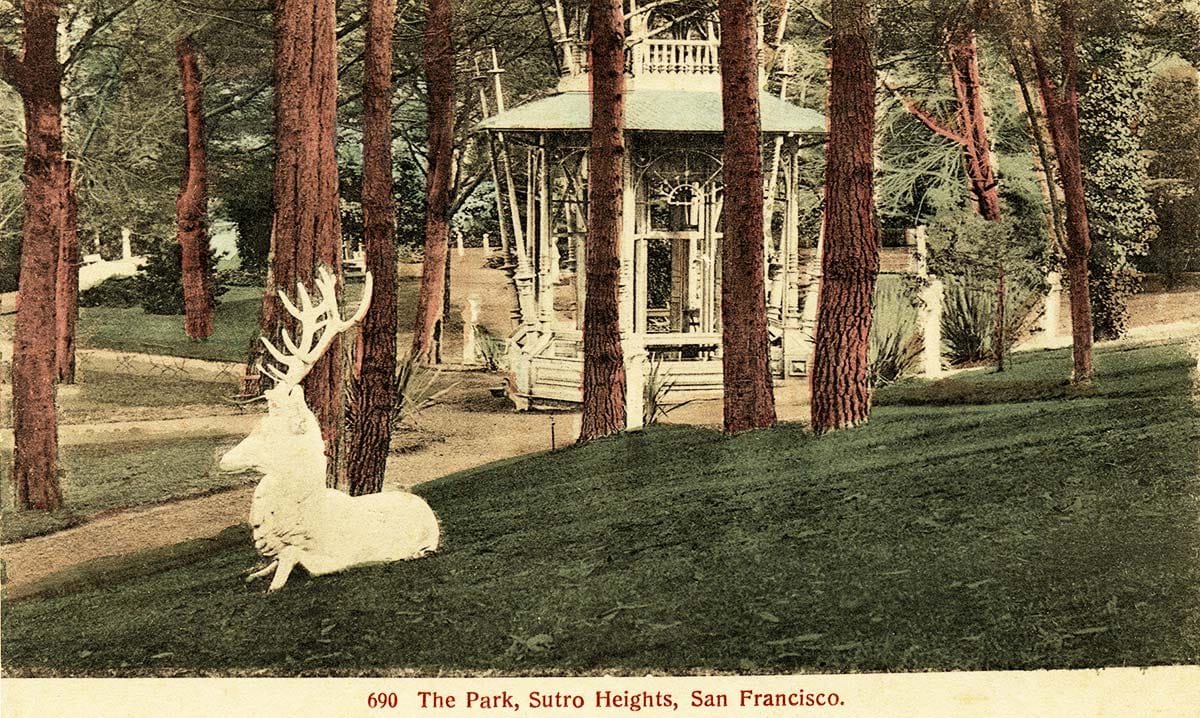
…and Sutro Heights, his hilltop estate, in its glory days…
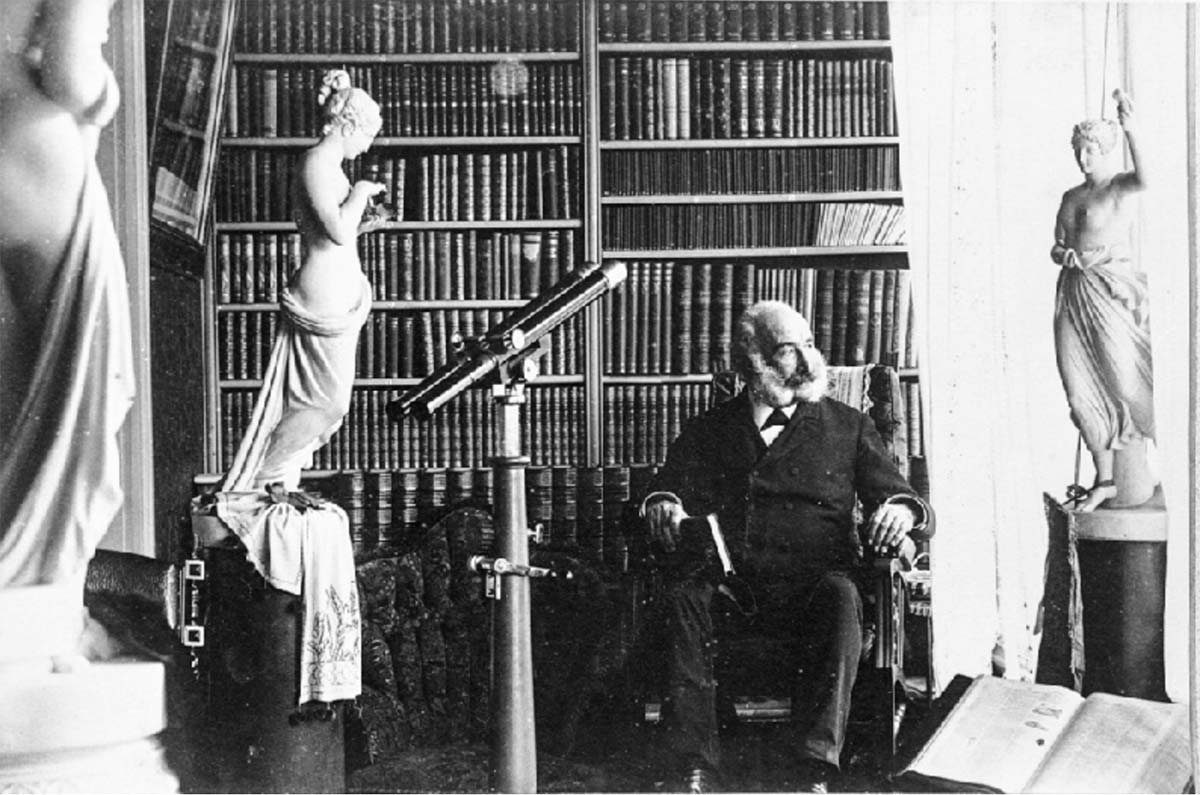
…and his great library…
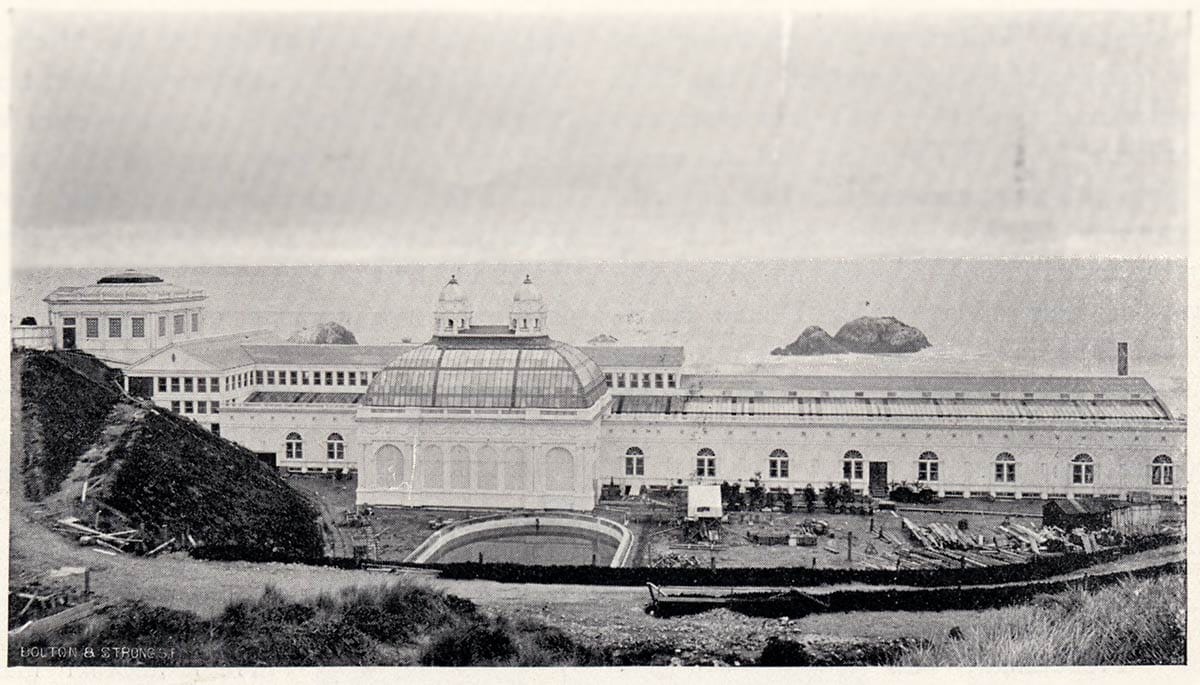
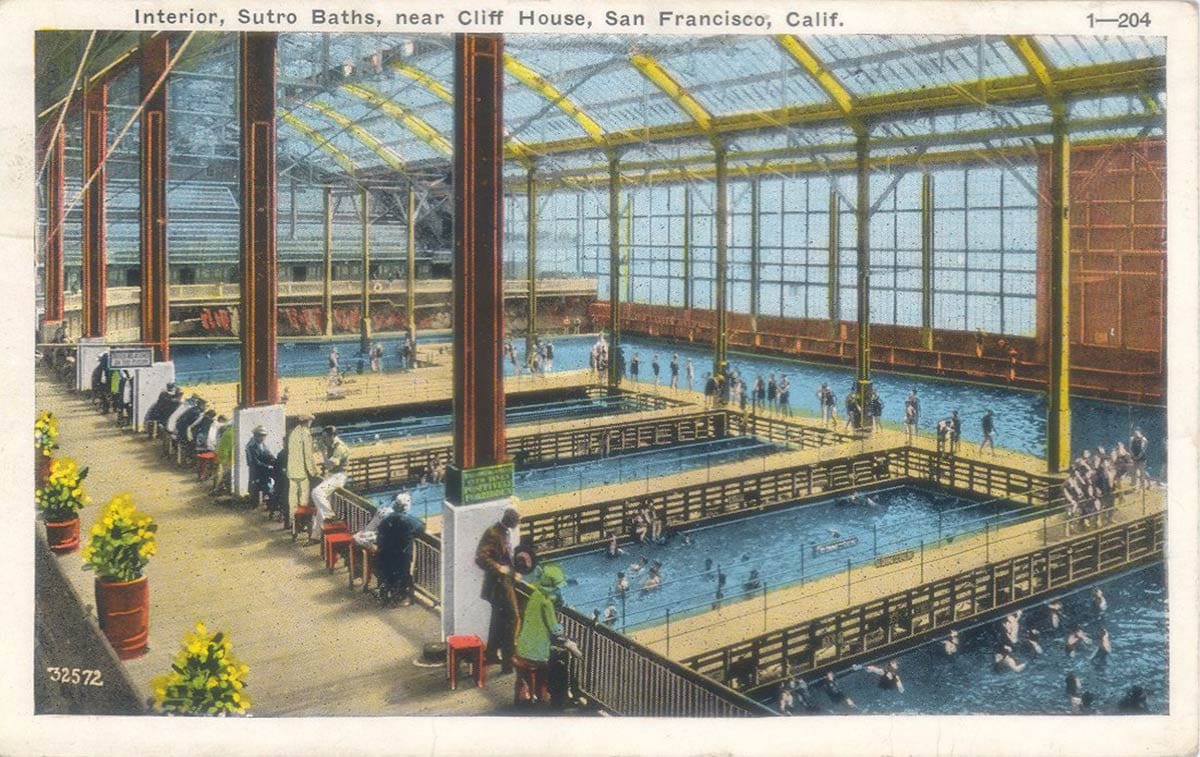
…and the nooks and crannies of Sutro Baths, his great natatorium in Naiad Cove.
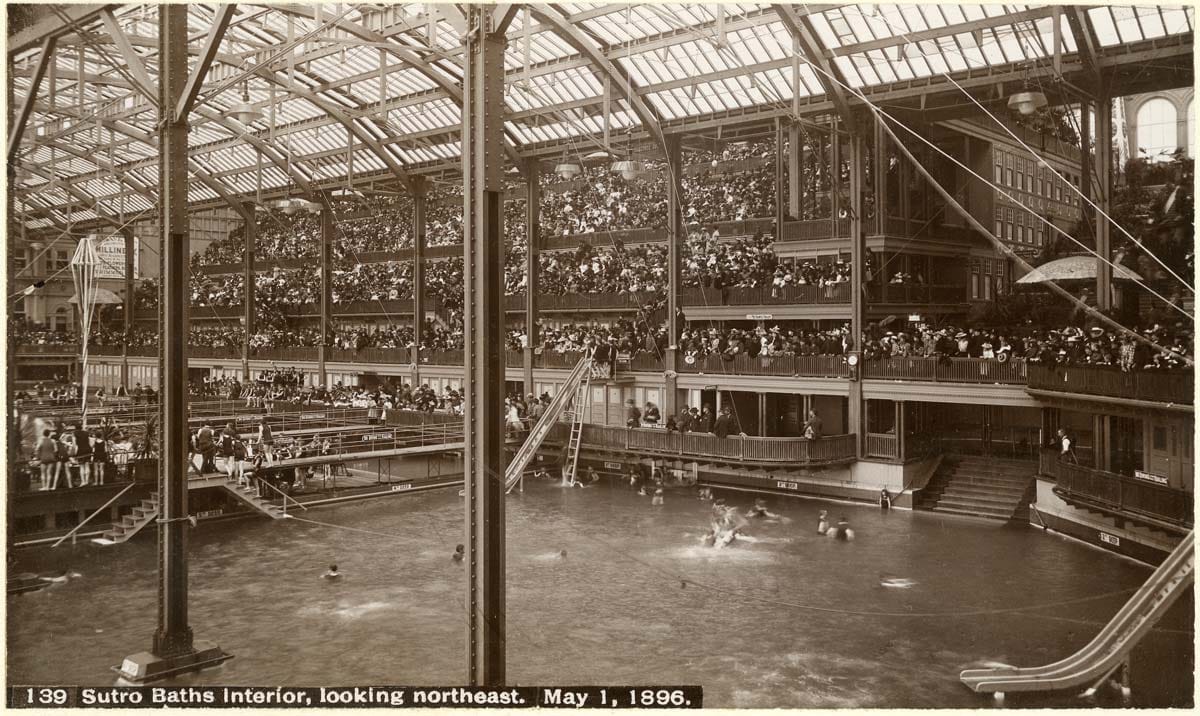
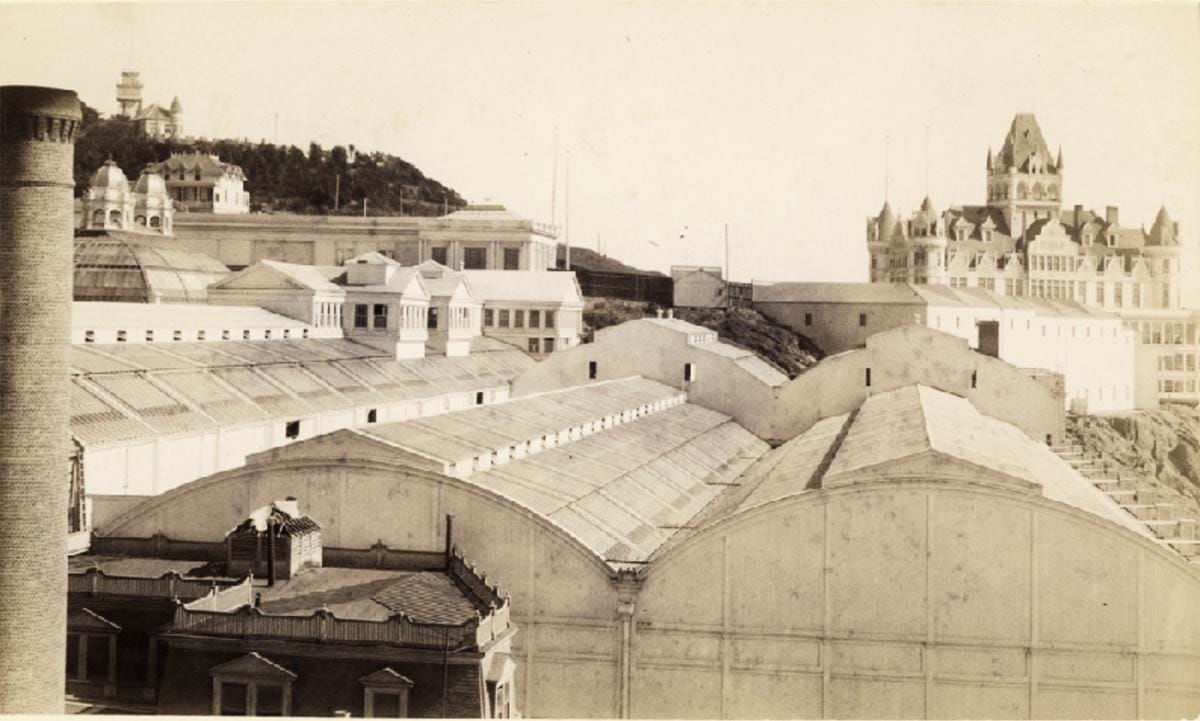
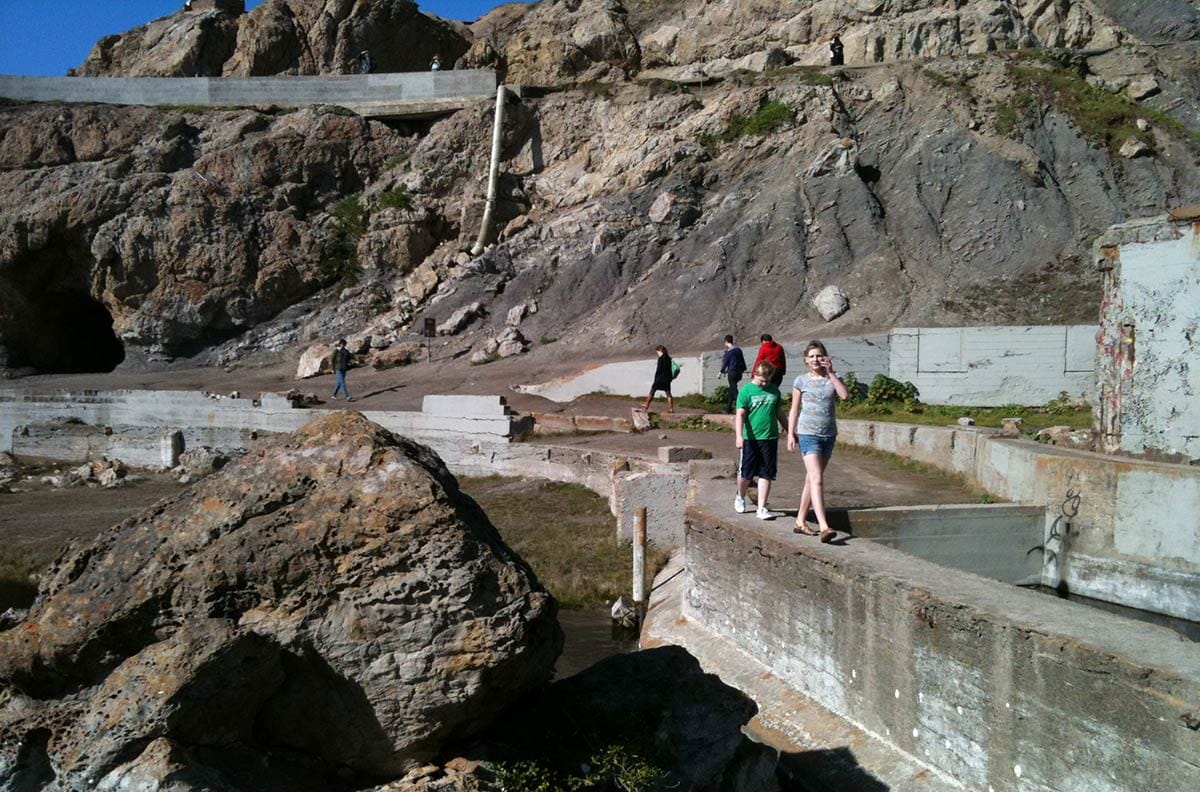
And Sutro, eccentric guy that he was, drew interesting people into his orbit. I’d hope he’d introduce me to some, like his head of lifeguard services at Sutro Baths, Professor Frederick H. Killick:
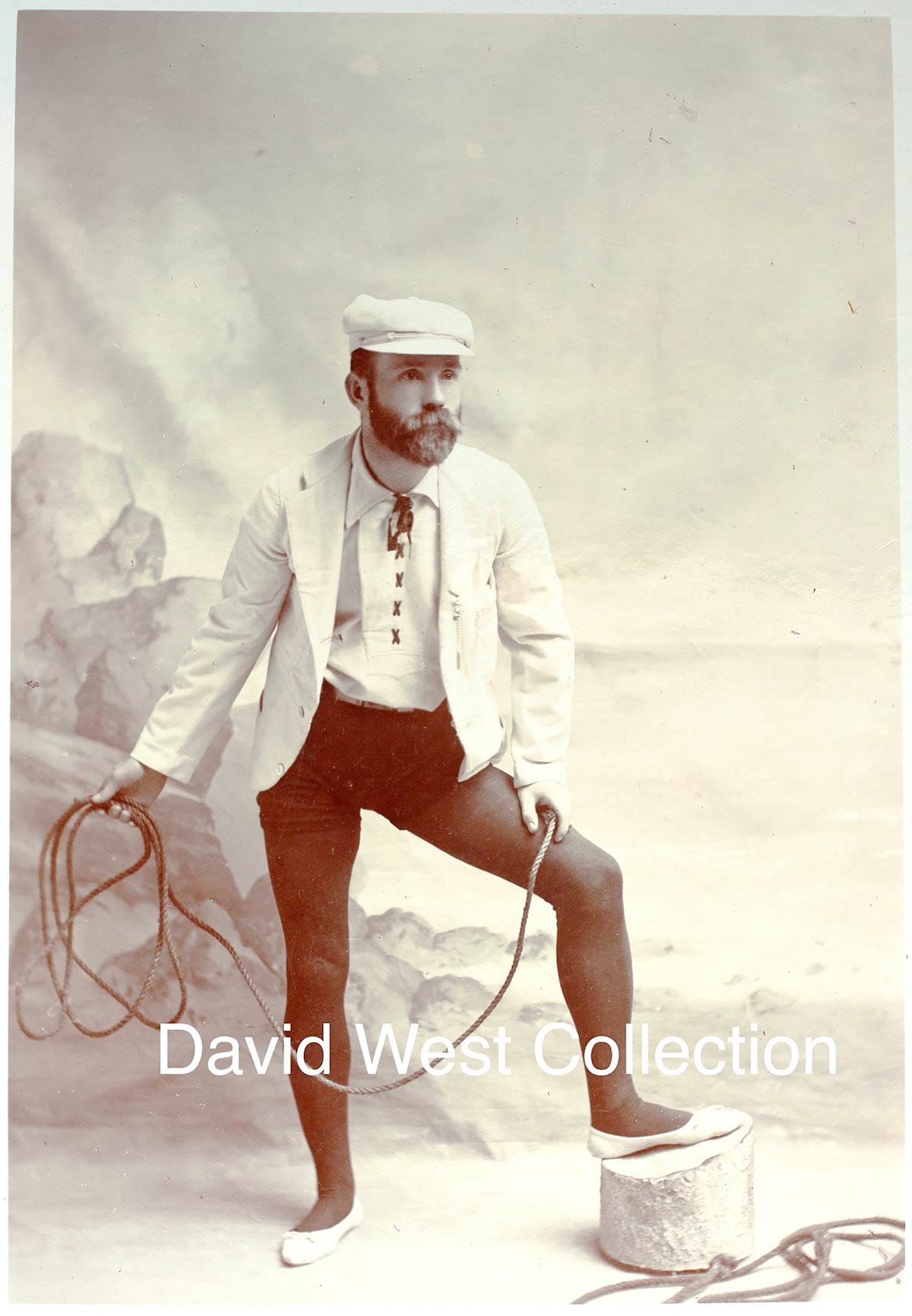
The 1890s were chock full of professors with theories and proposals on health, technology, and the proper way to thread a needle. It was a golden age for the self-educated and self-appointed expert, the lecturer, the schematic-and-manifesto pusher. Frederick H. Killick’s expertise was lifesaving and swimming safety.
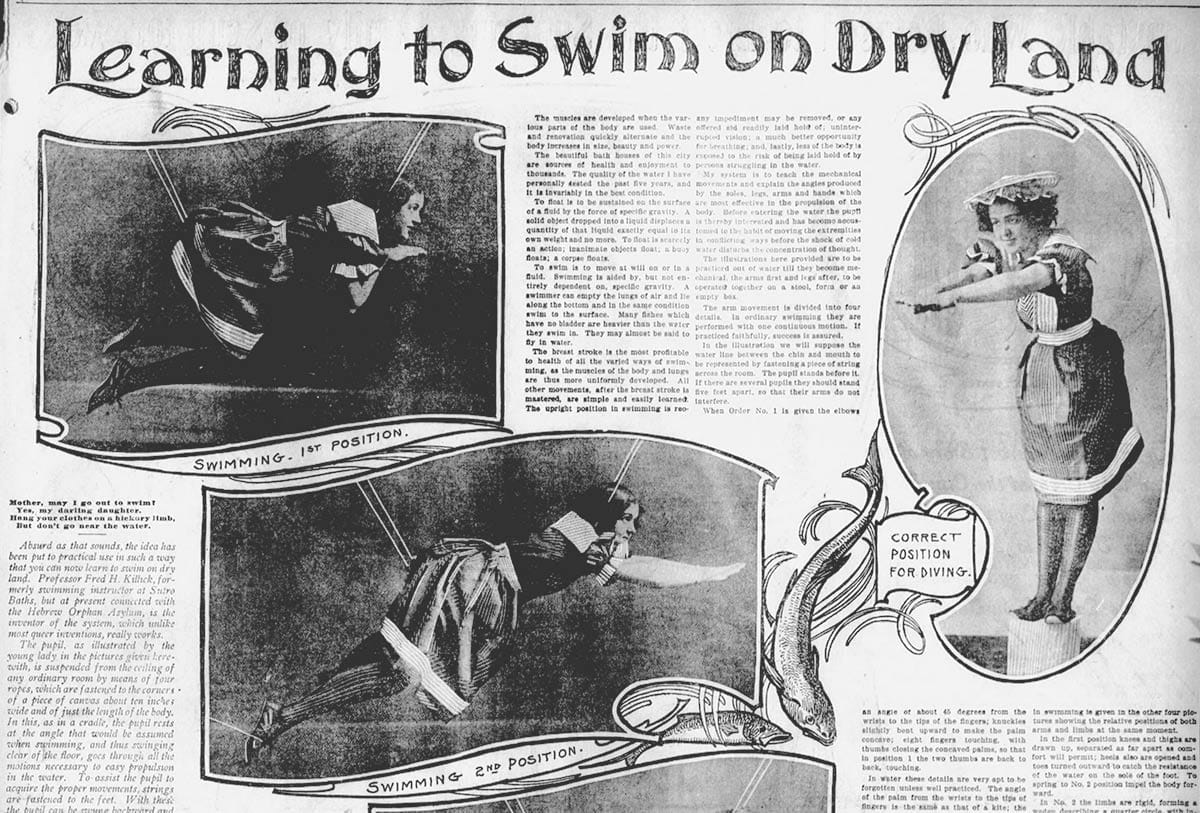
Can someone learn to swim out of the water using ropes and pulleys? I don’t know… maybe?
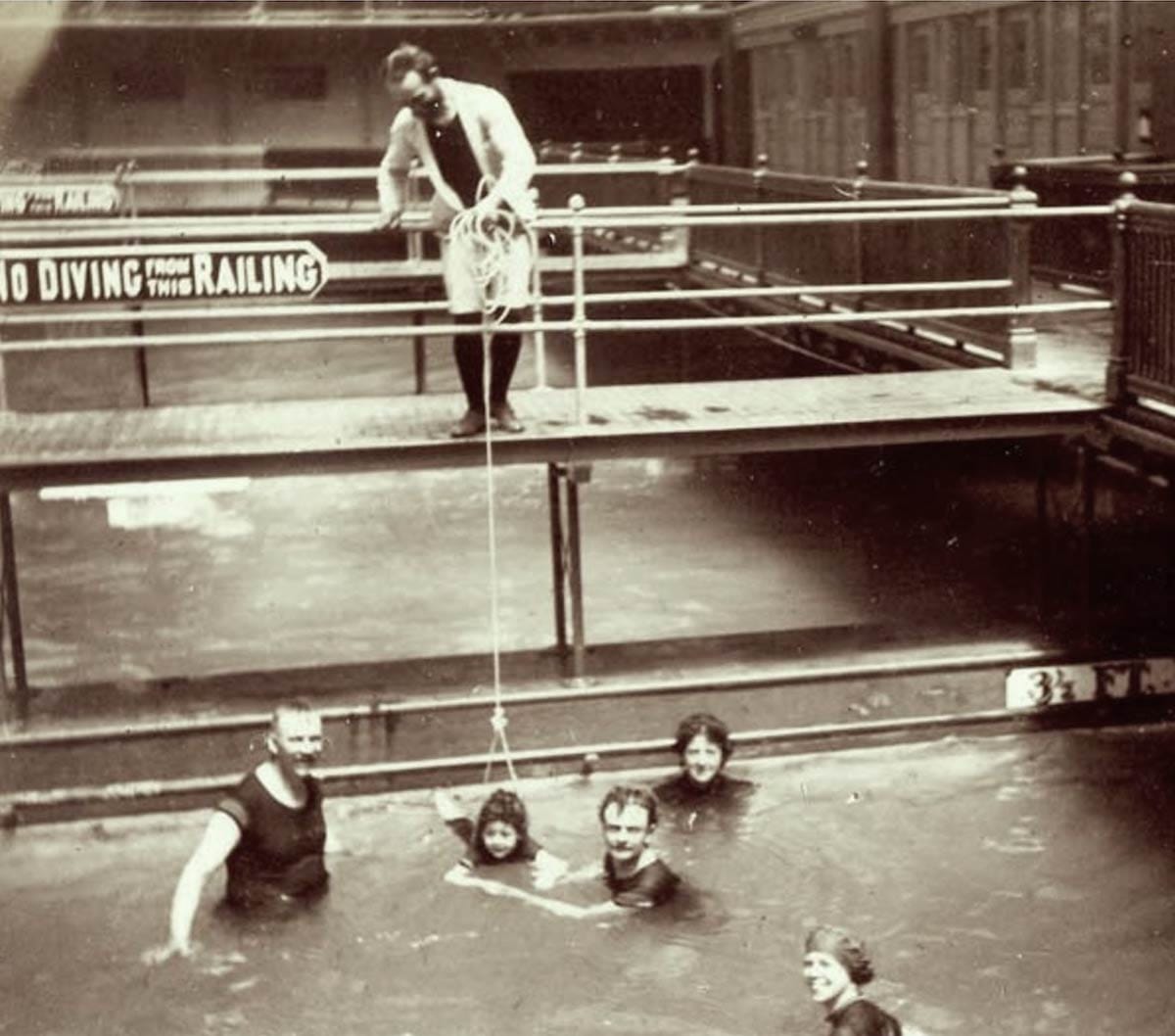
Is lassoing a struggling child in the water the best rescue practice? Maybe not, but it’s kind of cool in a lifeguard-cowboy way:
Killick’s theories and practices were relatively logical and based on good intentions. Throughout his life he was associated with the Episcopal church and served as a warden at the Richmond District’s St. James church. Killick wasn’t a mountebank trying to make a quick buck; he wanted to save lives.
But like many of his fellow professors and inventors, Killick had his adventure stories to add credibility and spice up his lectures at YMCAs and church groups.
In the early 1890s, he joined a party establishing Episcopal missions in the great Canadian northwest and had a storehouse of tales of surviving snowstorms and dealing with wild animals. He occasionally gave lectures wearing his Yukon snowshoes.
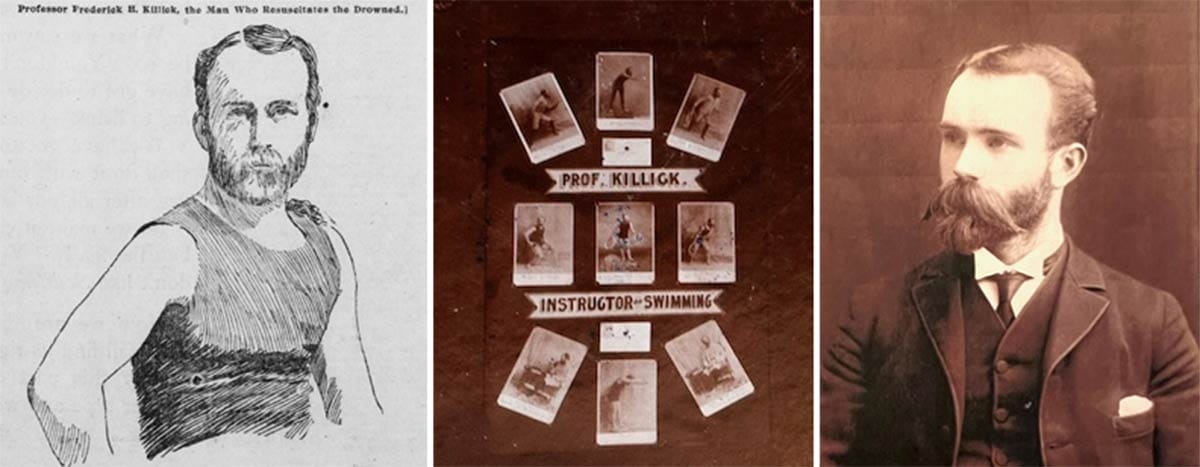
By the mid 1890s, the professor was recognized as the premier local expert on swimming instruction and “the science of resuscitation.” He claimed to have lectured than 25,000 school children on the subject. Between giving talks to groups like the California Home and Child Study Association, he monitored daredevil swimming attempts of the Golden Gate.
Killick’s son noted in a biography of his father that “It was through his activities in the aquatic arts that the late Adolph Sutro of San Francisco learned of Frederick’s special qualifications.”
Sutro Baths, the great facility for swimming, entertainment, and cabinets-of-curiosities, officially opened on March 14, 1896, and Killick was put in charge of life-saving operations.
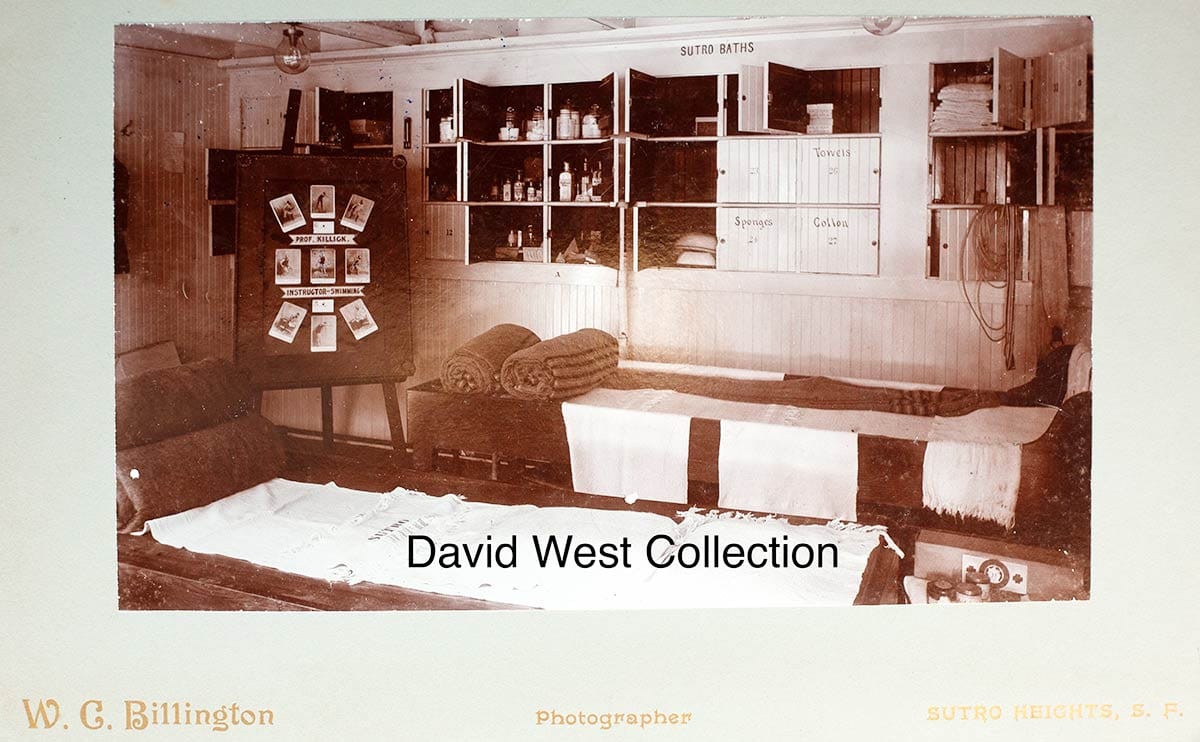
The professor had William Billington, photo concessionaire at Sutro Heights, take a view of his self-designed state-of-the-art “resuscitation chamber” at the baths, which included a heated table “made directly upon the lines of those in use in London, Paris, and Brussels”:
While Sutro Baths is a legendary recreation spot in San Francisco history, it was never a sustainable enterprise. Sutro died in 1898, just two years after the baths opened. For decades, his heirs struggled to make the money pit pay off. Swimmers came out for weekends and holidays, but that was about it.
A lack of swimmers meant few to teach and even fewer to rescue. Killick’s duties and utility probably dropped off precipitously after the first year and he found other gigs.
He was put in charge of the “Klondike, Northwest Territory, and Alaska bureau of information” at an 1898 Mining Fair meant to both commemorate the 50th anniversary of the California gold discovery and capitalize on the Klondike Gold Rush then underway.
There the professor found a way to work in his life-saving advice while satisfying mining fever. His daily lectures covered “necessary preparations for camp life, upon packing sleighs and burros [he secured two on which to demonstrate] and […] simple mechanical methods of resuscitating life in persons that may accidentally fall into some of the numerous rivers to be crossed in traveling wild Alaska.”
Killick transitioned into the newspaper business in the early 1900s and after the 1906 earthquake and fire, moved his family down to Los Angeles.
In Victor W. Killick’s introduction to his biography of his father, he wrote “His deeds were not of the order to attract historians. So, it shall be but a short time before all knowledge of his existence will become obscure.”
Perhaps that is so, but take a good photograph in tights holding a lariat and you’ll have a slightly better chance of being remembered.
Great thanks to David West for sharing photos and information with John Martini, who tipped me off. John’s terrific book on Sutro Baths is rumored to return to print soon. I’ll keep you all posted.
Woody Beer and Coffee Fund
The Woody Beer and Coffee Fund is like giving me a tip, but just to spend on drinks with anyone who wants to have drinks with me.
Could be tea. Could be a beer. Could be a great time, eh? You don't have to contribute to have a drink with me and you don’t have to have a drink with me to contribute. It’s true freedom is what it is, gosh darn it.
Let me know when you might be available.
Sources
“Bathe, Half Drown, and Be Restored,” San Francisco Examiner, May 10, 1896, pg. 32.
“He Saves Human Life,” San Francisco Call, June 26, 1896, pg. 8.
“Active Preparations for the Golden Anniversary,” San Francisco Chronicle, January 17, 1898, pg. 5.
“Like a Merry Day in Lilliput Land,” San Francisco Examiner, February 6, 1898, pg. 20.
“Sadie Foss Took Poison,” San Francisco Call, July 21, 1898, pg. 12.
Victor W. Killick, A Biography of the Late Frederick Herbert Killick (unpublished), 1941.