
The Last of the Lunch Wagons
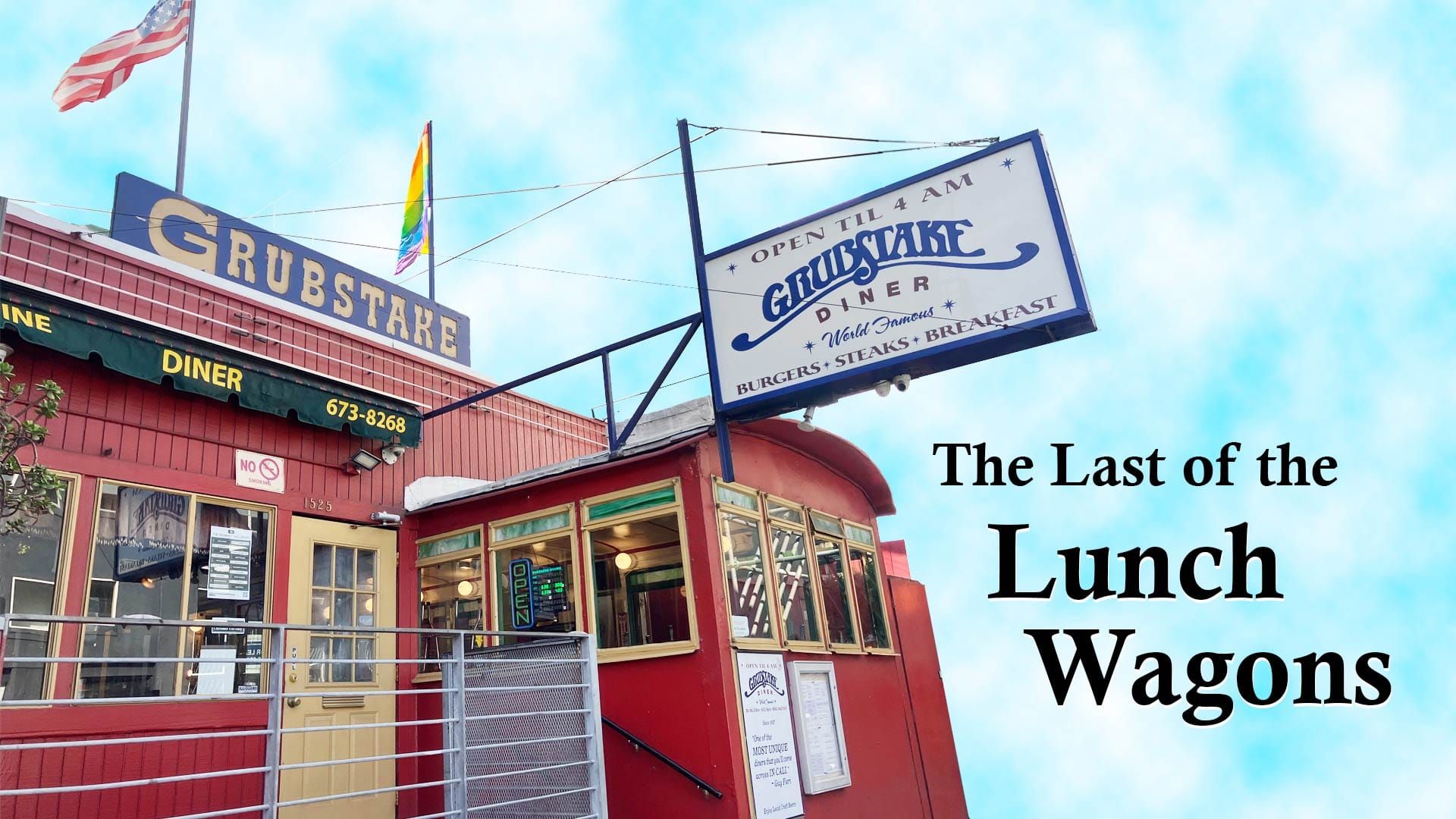
While not an old streetcar, Grubstake Diner is the last of its kind in San Francisco.

This week is the 4th anniversary of San Francisco Story. I have not missed a Wednesday email yet—208 straight. I know a lot of you Friends of Woody have renewals this month. Thank you so much for sticking with me and for reading these. It’s much appreciated!
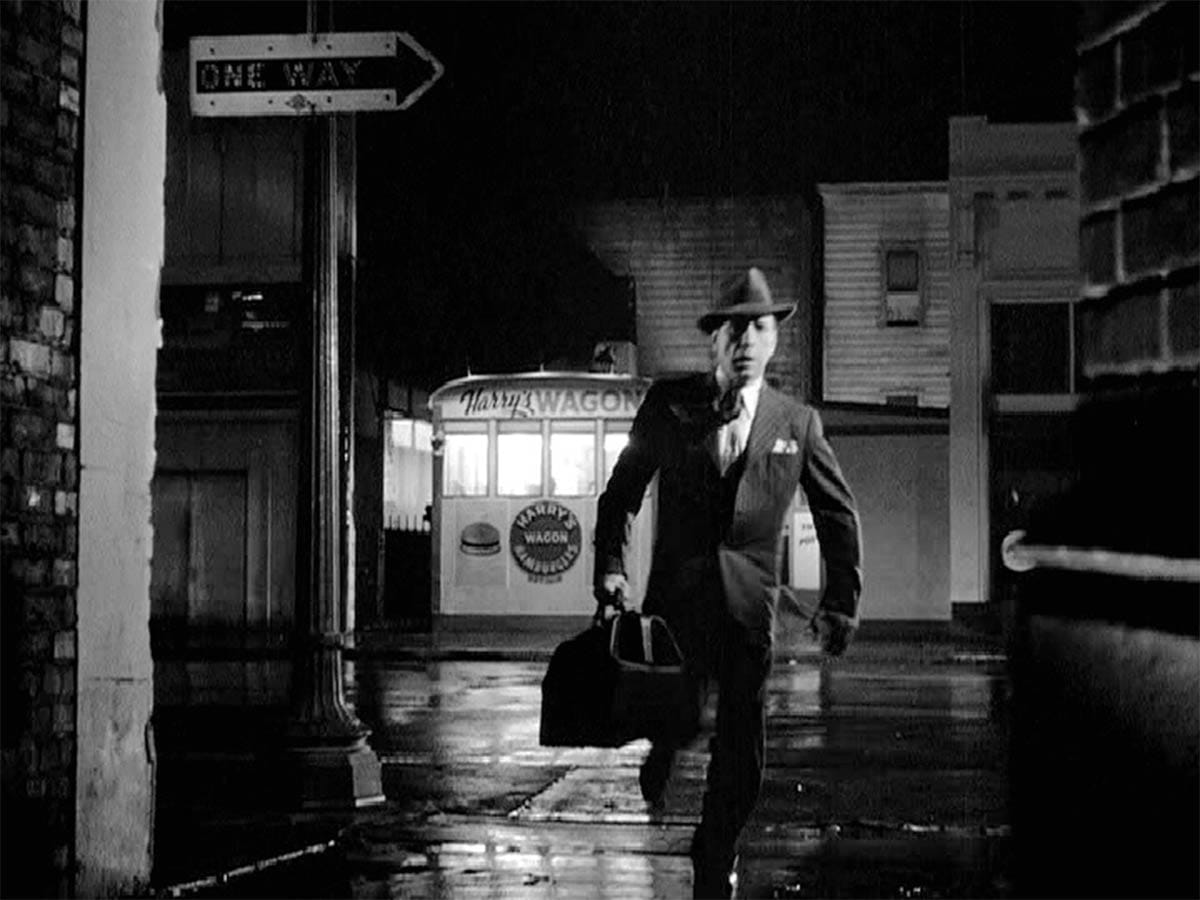
In Dark Passage, Humphrey Bogart’s character takes a cab to Harry’s Wagon on Post Street near Fillmore Street for some ham, eggs, and coffee.
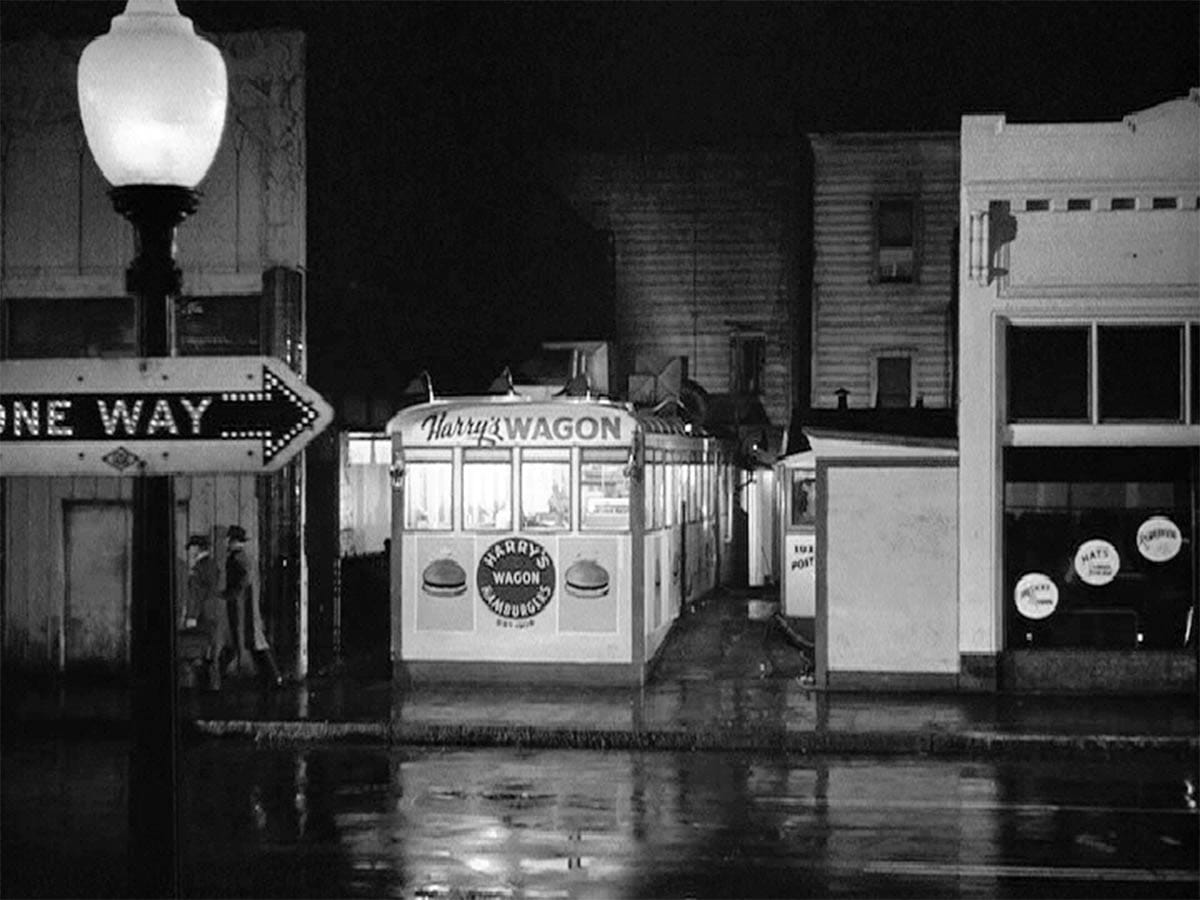
The location wasn’t a Hollywood invention. There was a Harry (Lewis) and there was a wagon on Post Street.
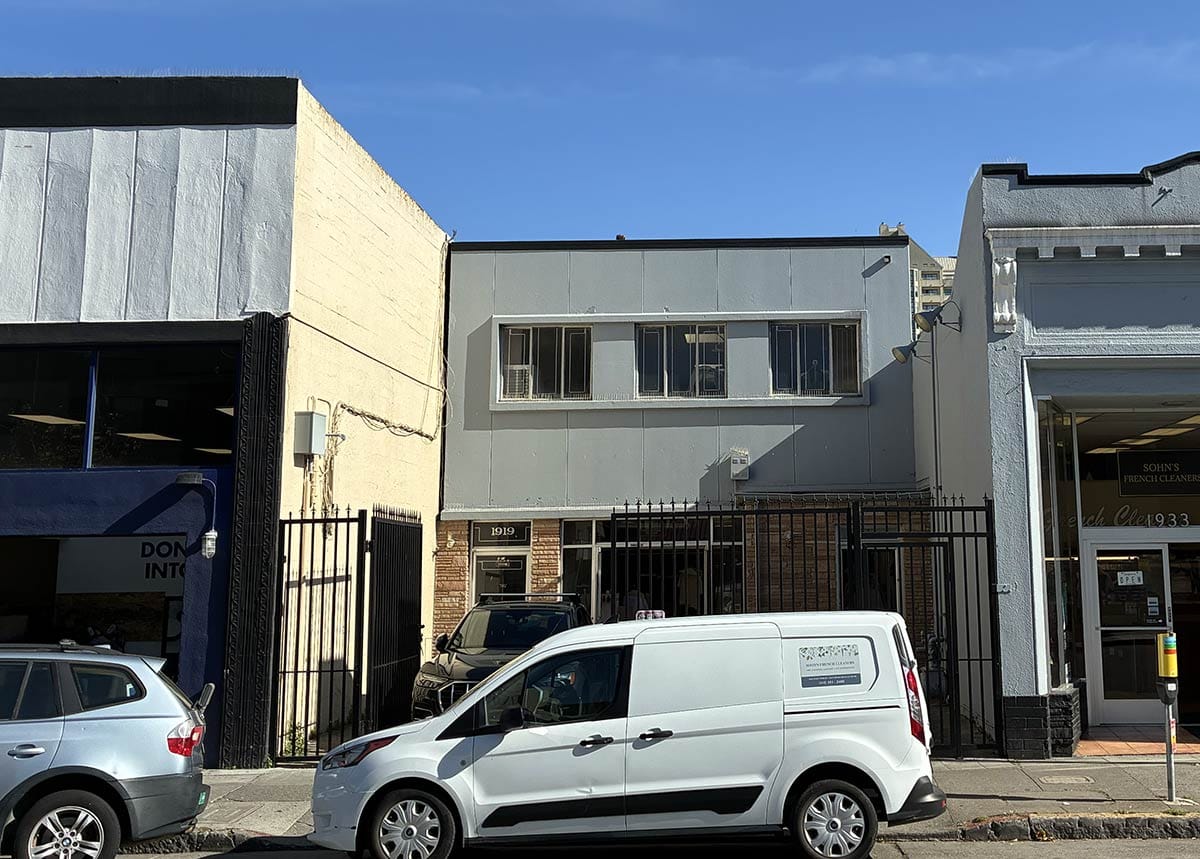
There’s still a nice cavity in the street face at 1919 Post Street for Harry to return with his wagon in 2026:
When I published my Carville book, a number of people asked me about diners they thought may have originally been streetcars or horse cars.
Diner architecture shares a lot of attributes with the golden age of rail travel—streamlined, chrome-sided, modular—and there were definitely instances where former transit vehicles were repurposed.
Down in Buellton in Santa Barbara County, for example, two former Los Angeles system cars were combined into a diner which I wish was still in business:
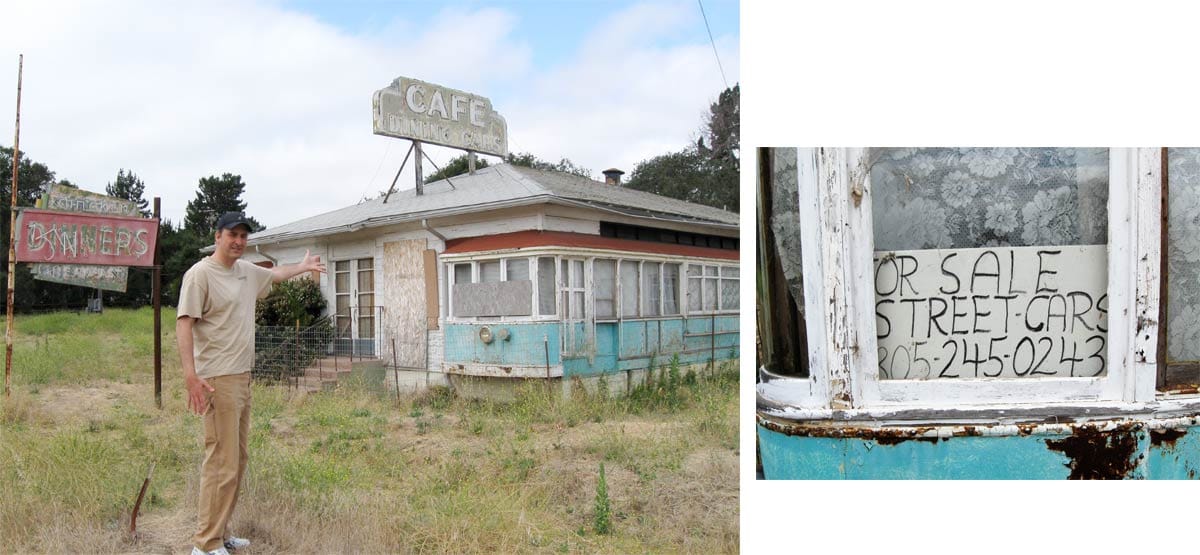
People often specifically mentioned the Grubstake diner to me at 1525 Pine Street. The Grubstake people claimed at least part of the eatery began life as a transit car on the East Bay’s Key System:
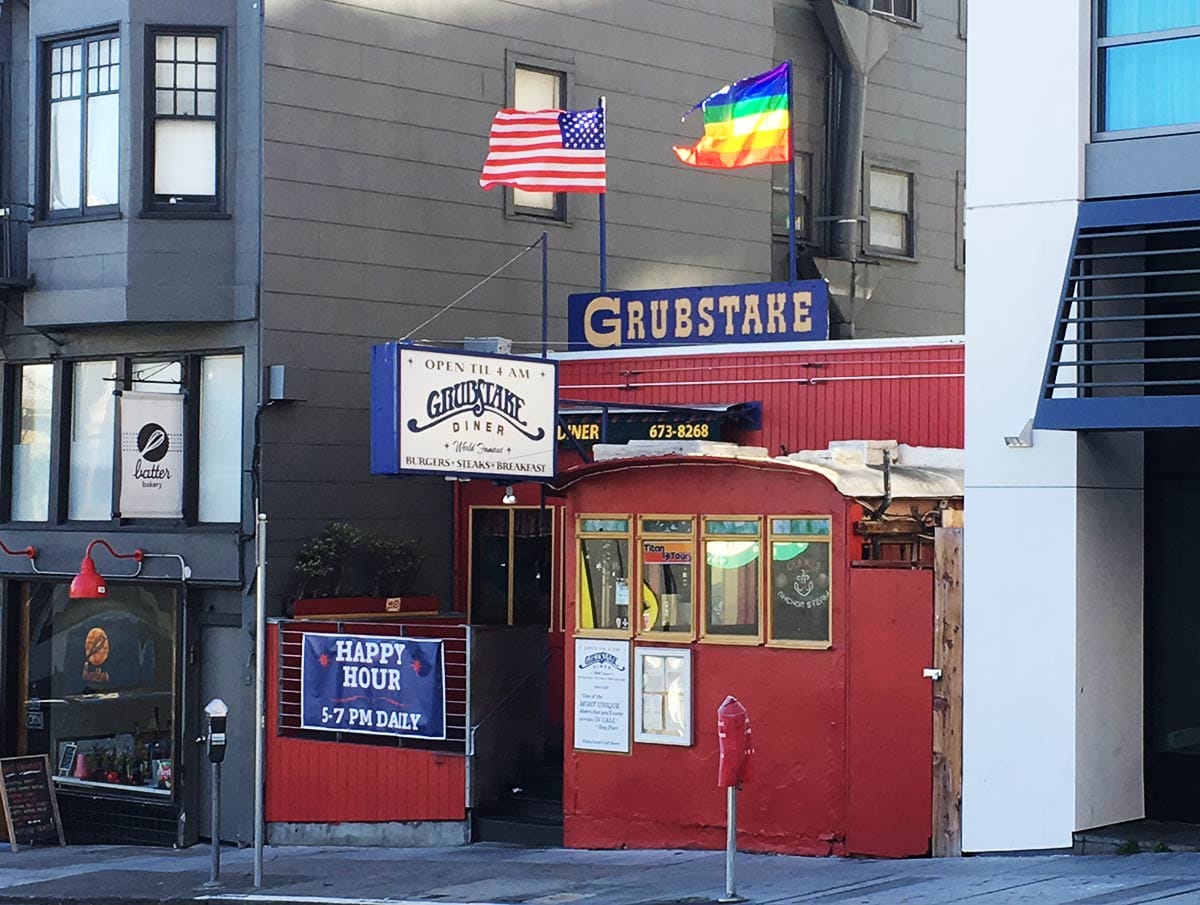
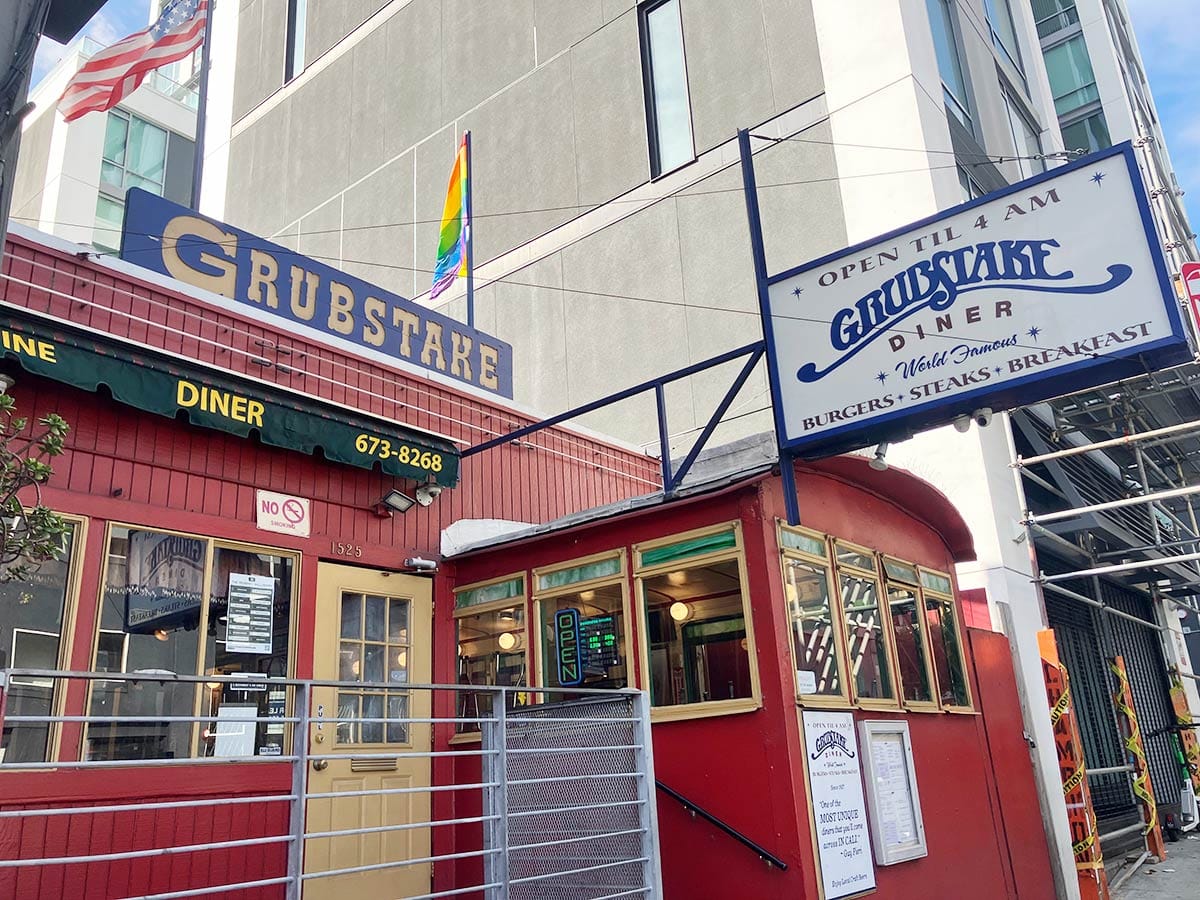
But the Grubstake, and Harry’s before it, trace their lineage not to rail cars but to an ancestry more connected to today’s taco trucks and foodie vans—the lunch wagon.
Lunch on the Run
The lunch wagon idea arose in the 1870s in New England.
Richard Gutman, the longtime expert on the subject and author of American Diner Then and Now, thinks Providence, Rhode Island is the likely birth place. It was there a young man named Walter Scott used a horse-drawn cart to sell “night lunch” to all-hours newspaper men as well as boys out late on the town.
Scott evolved his wagon into a box by which he could sell and distribute his coffee, sandwiches, and pies from two sides. To ensure no one ran off without paying, Scott would grab any shifty-looking customer’s hat as collateral.
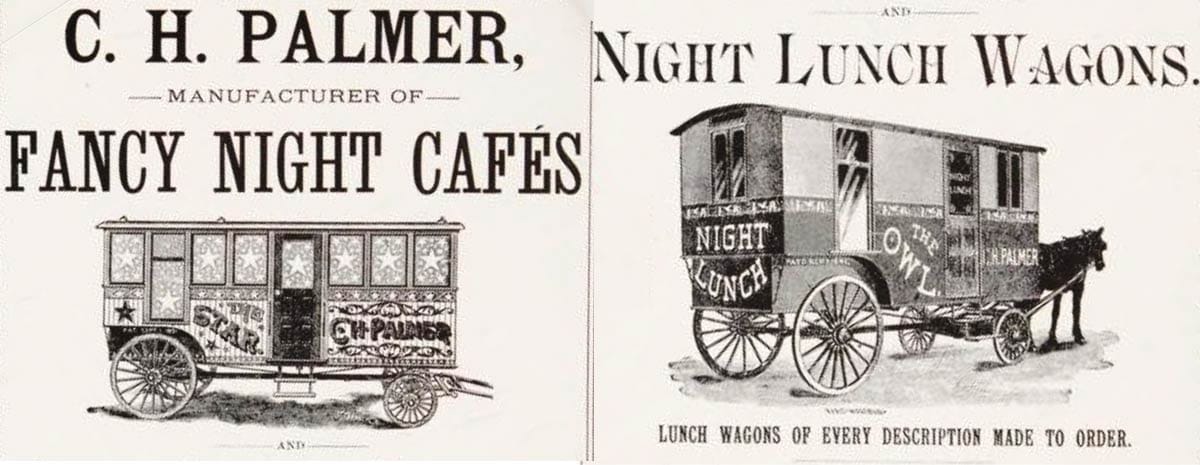
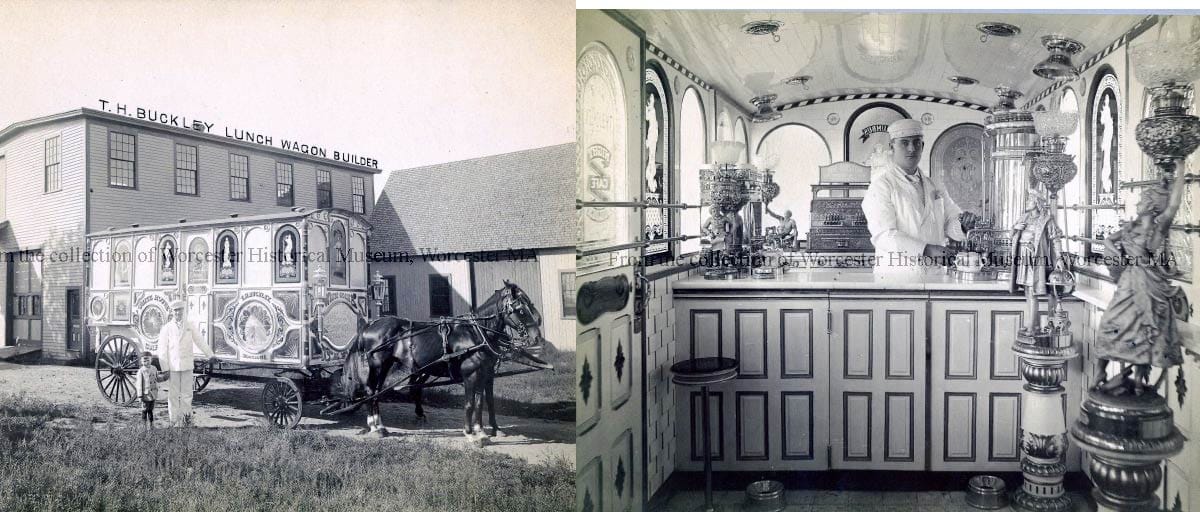
In the 1880s, Samuel Messer Jones expanded on the lunch wagon idea in Worcester, Massachusetts and might have built the first one in which a customer could actually join the proprietor inside to have his meal. A competitor expanded on the idea with night lunch wagons constructed with kitchens, fine interior woodwork, and windows adorned with fancy script.
Out of Worcester the first patent for a lunch wagon was applied for in 1891 and soon wagons shifted from rolling around streets to putting down roots in opportunistic spots.
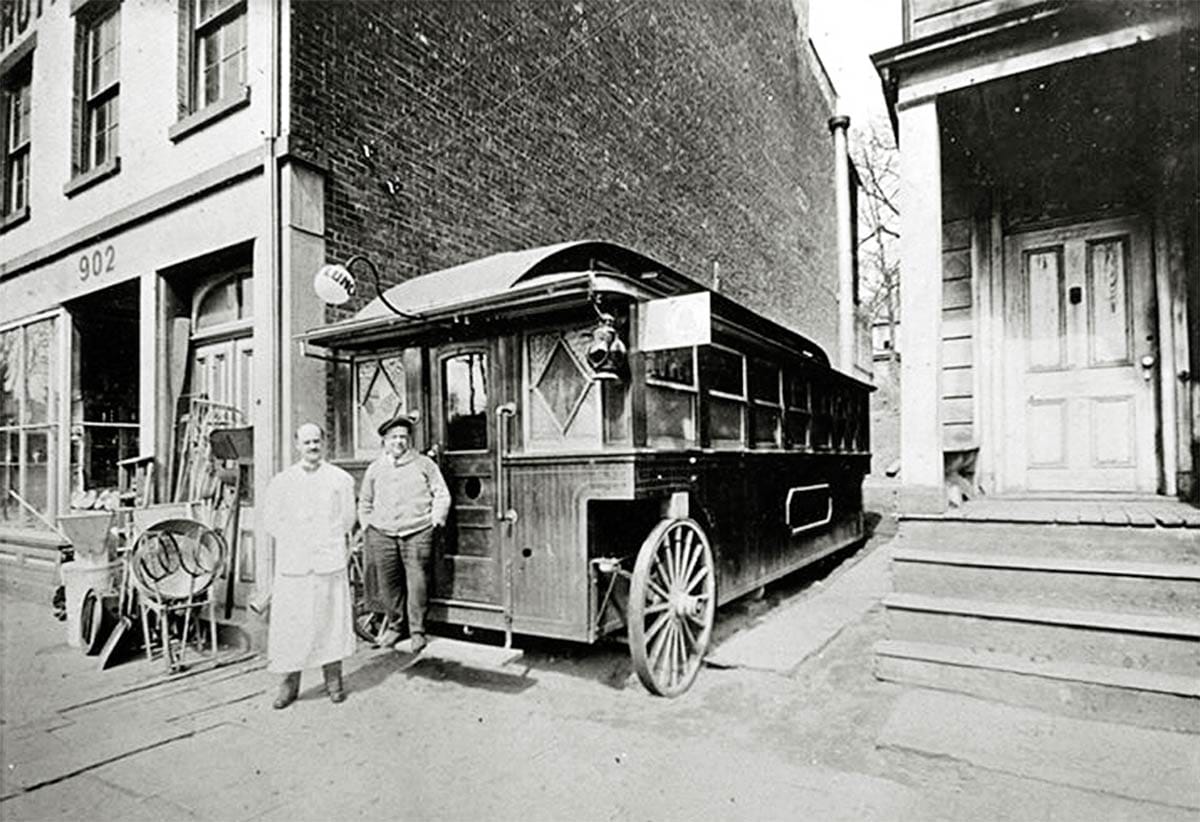
Pioneer firms designed, manufactured, and sold lunch wagons to budding entrepreneurs across the county. Charles H. Palmer and Thomas H. Buckley were noted lunch wagon makers and their work could be seen anywhere across the East Coast and Midwest where blue-collar workers needed a quick and unfussy bite.
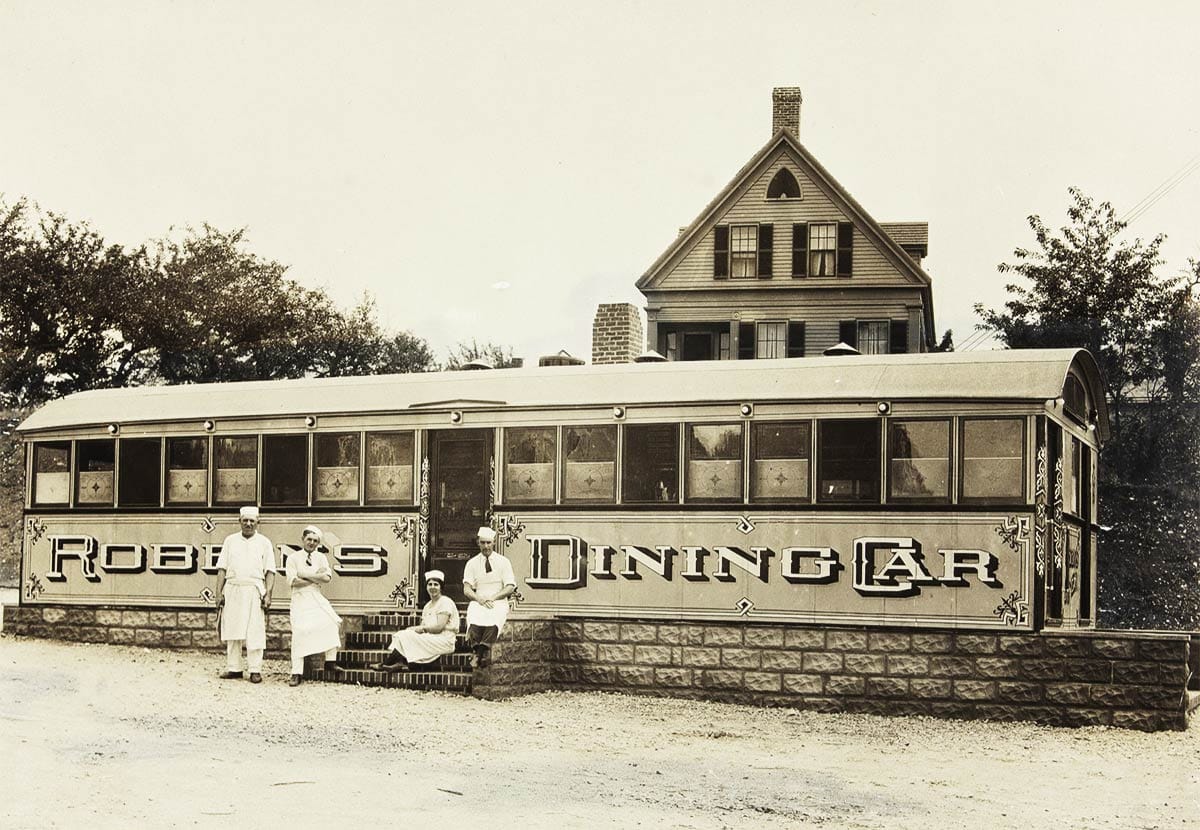
In the 1920s, lunch wagons shifted branding to evoke the luxurious railroad dining cars of the age. The old lunch wagons gave up their wheels and rambling ways and became “diners” featuring fully kitted-out kitchens, restrooms, tables, and sassy waitresses named Flo or Ethel.
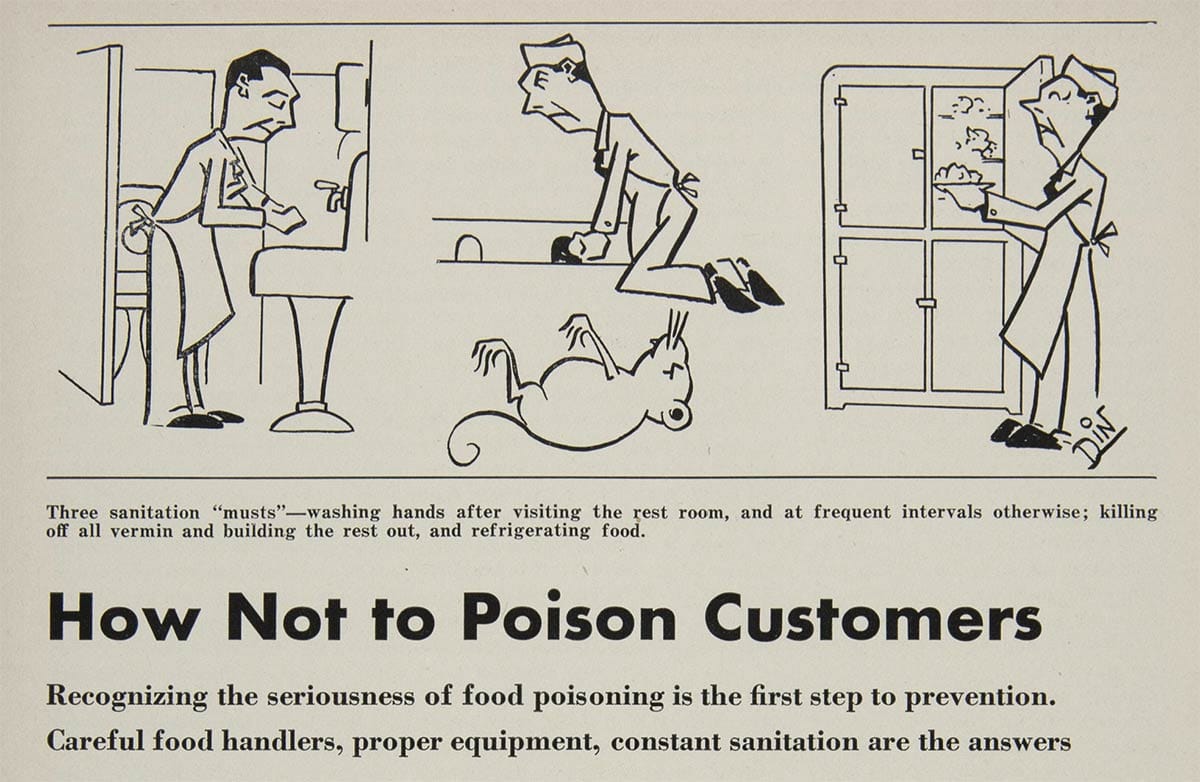
By the 1950s the industry had its own trade magazines like The Diner and Counter Restaurant. Subscribers got helpful articles like “How Not to Poison Customers.”
The Grubstake dates back to at least the 1920s, when it was Dan’s Diner:
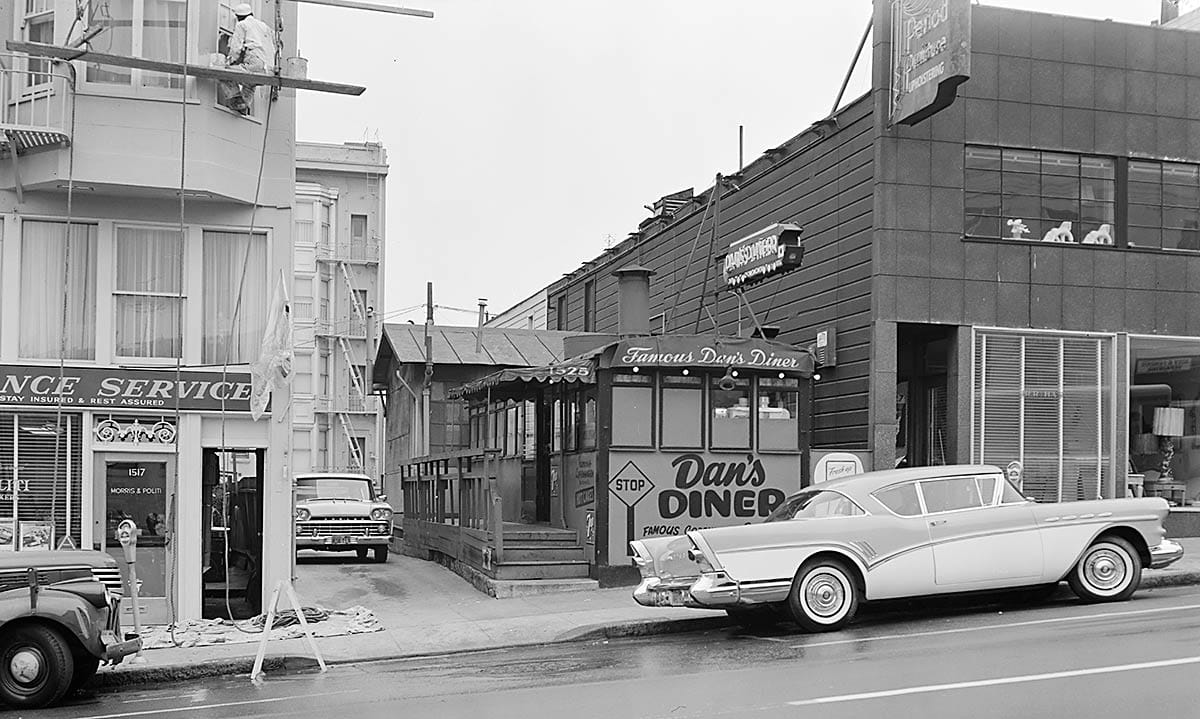
The Grubstake is not a former rail car, but a straight-from-a-factory diner. Gutman, the American diner expert, agreed in the comments section of the reelsf.com post about the Harry’s Wagon scene from Dark Passage.
A real wheeled lunch wagon may have once stood on the same lot. In 1925, San Francisco Bulletin columnist Idwal Jones identified three “genuine specimens left” in San Francisco, naming the sites of Harry’s Wagon, Dan’s Diner, and a third on Minna Street downtown.
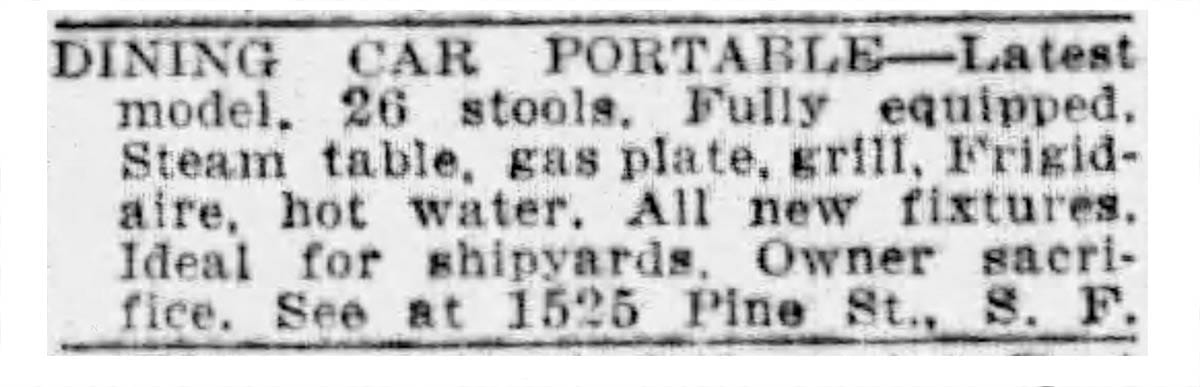
But Dan Carstensen, the Dan of Dan’s Diner, himself owned three during World War II, when the city was jammed with workers seeking quick lunches. (His other diners were at 129 Fell Street and 3rd and Berry streets.)
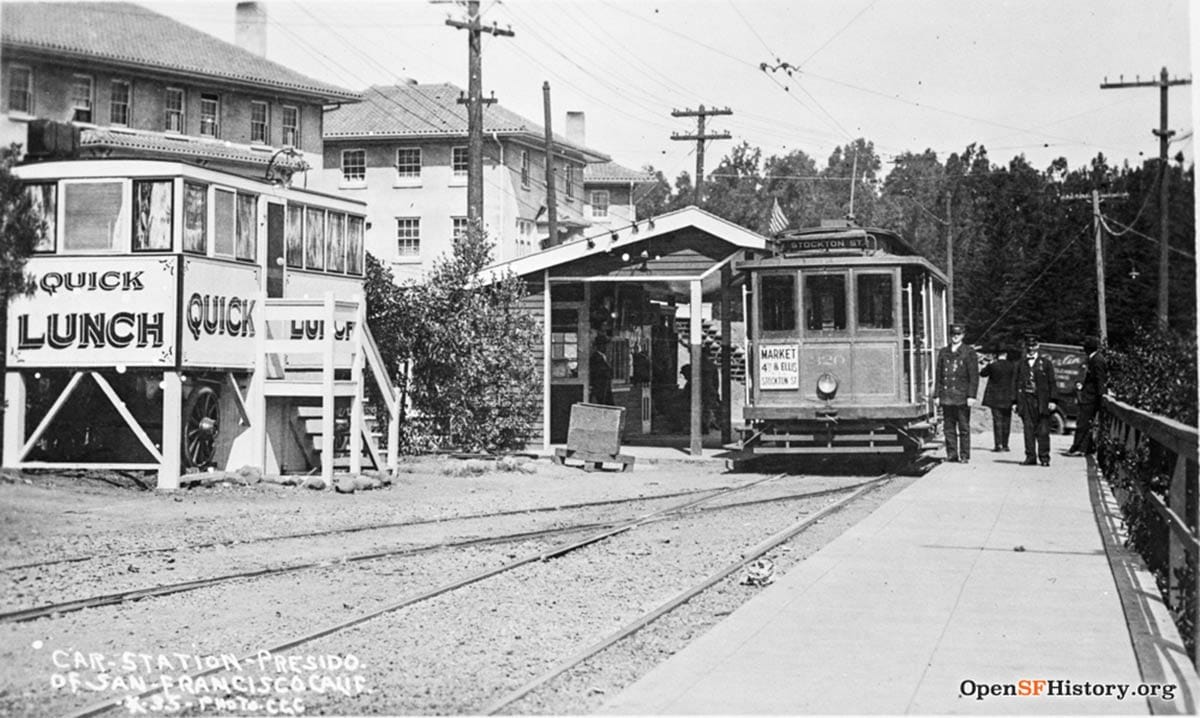
And San Francisco had others. Here’s Quick Lunch which once stood in the Presidio beside a Muni streetcar terminus.
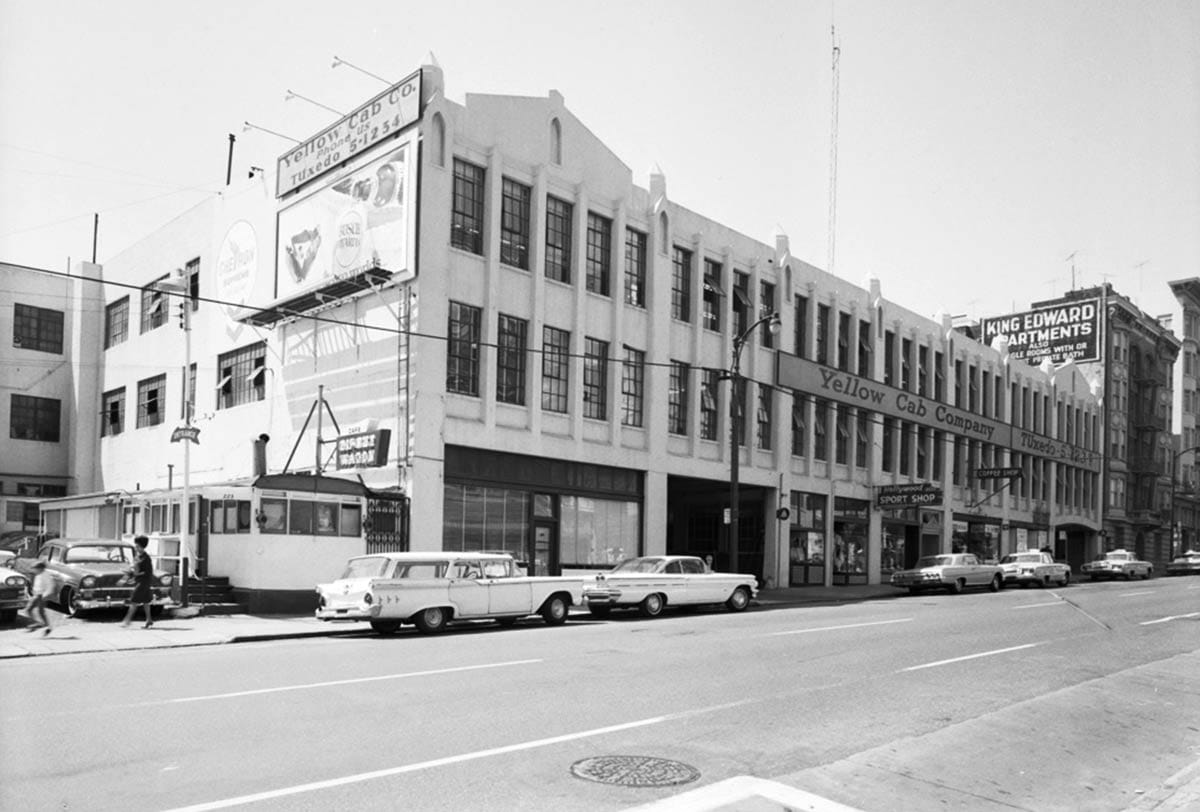
Here’s another, the Donut Wagon, beside the Yellow Cab Company building on Turk Street in 1964:
The late Joe’s Cable Car on Outer Mission (Joe Grinds His Own Fresh Chuck Daily) and the still-frying Tony’s Cable Car diner on Geary Boulevard were/are later generation diners of the drive-in era.
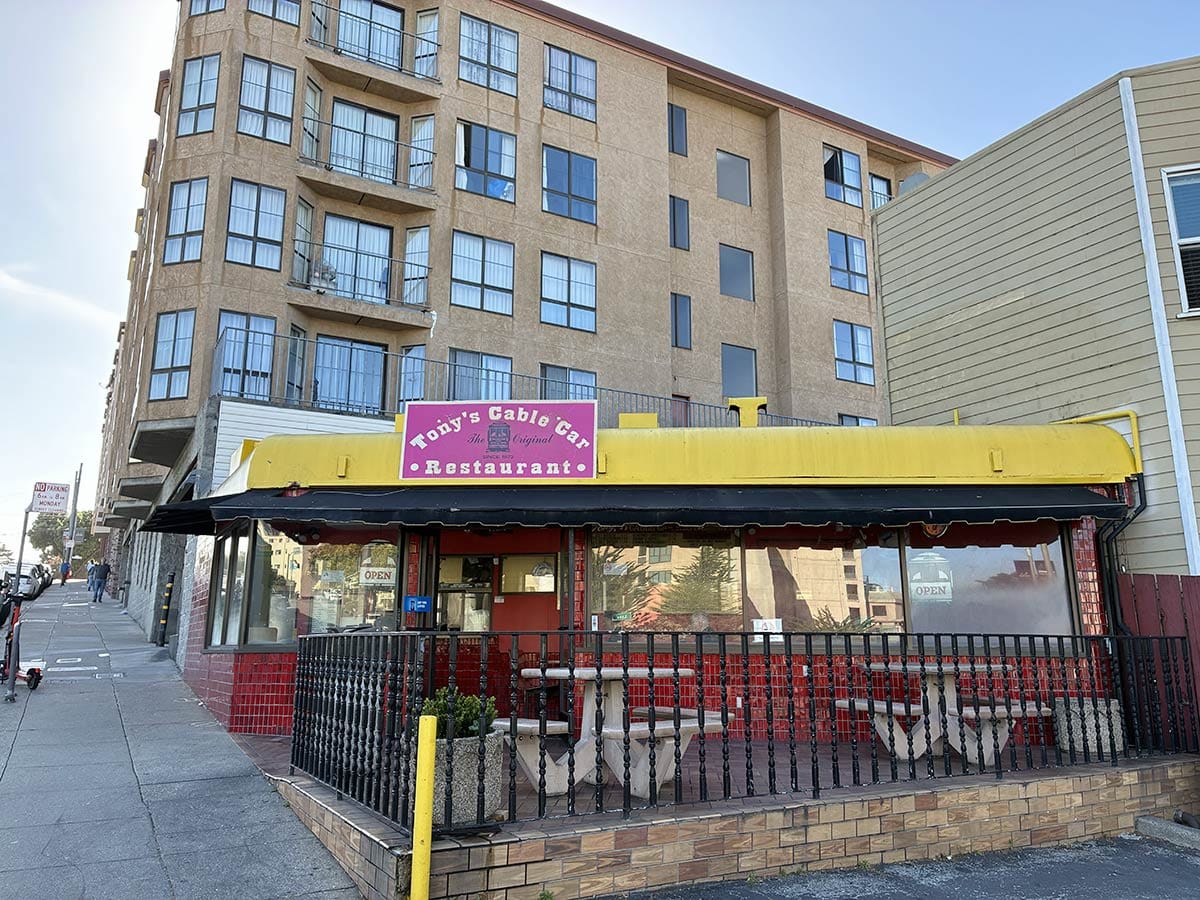
Blue-collar in nature, lunch wagons and diners received both stereotypical opprobrium and romanticism of common-people places.
While cities often tried to limit and even ban both them and their late-night clientele, newspaper writers usually got mushy. In our darkest hours, they noted, the lunch wagon brings “its cheery light shining like a hospitable deed in a chilly world, and offer[s] an atmosphere of comfort and warmth from its stove.”
Sounds a lot like the Grubstake, which is still open until the wee hours.
Probably the last of San Francisco’s lunch-wagon-style diners, it may not be serving 3 a.m. hash browns much longer. The owners have applied for an eight-story development project which would demolish the beloved relic.
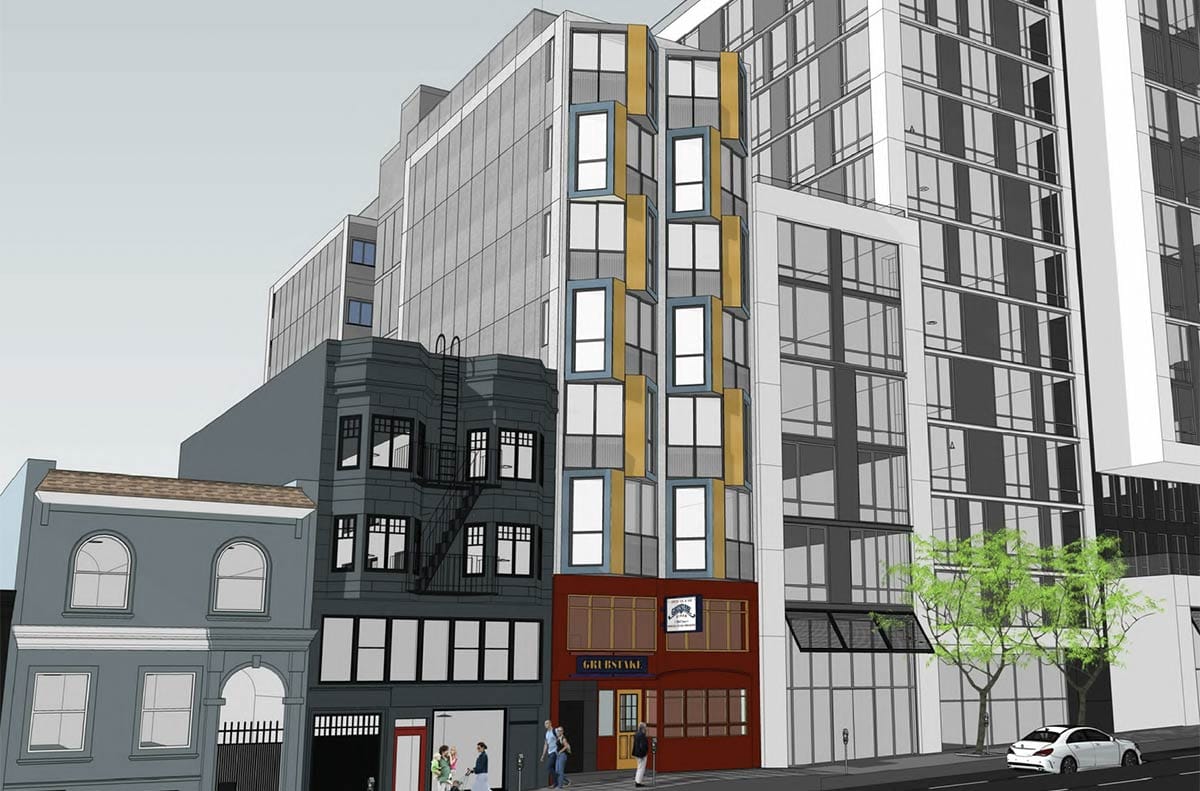
It has been a while since this permit application was filed... The estimated $5 million cost, high construction costs and interest rates may be holding it up.
See if you can get in to wolf down more late-night ham, eggs, and coffee than Bogie could at Harry’s.
It may be your last chance.
Woody Beer and Coffee Fund
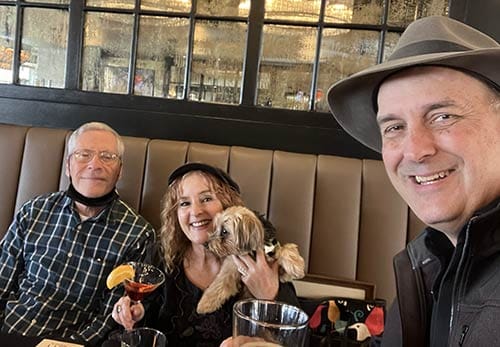
Great thanks to Louise T. (F.O.W.) and Linda G. (F.O.W.) for contributions to the Woody Beer and Coffee Fund.
I am more than happy to meet at Grubstake or Tony’s Cable Car if anyone wants to redeem some Woody-fund credits on burgers or omelets.
The important thing is we get together and talk without looking too much at our phones. Deal? 😄
When are you free?
Sources
Great thanks to CitySleuth at the great reelsf.com website for diving into the Harry’s Wagon scene in Dark Passage and getting me all interested in lunch wagons.
Idwal Jones, “The City Day By Day,” San Francisco Bulletin, June 10, 1925, pg. 13.
“Real Club of the Common People,” San Francisco Bulletin, March 19, 1926, pg. 14.
Richard Gutman, American Diner Then and Now (New York: HarperCollins, 1993)